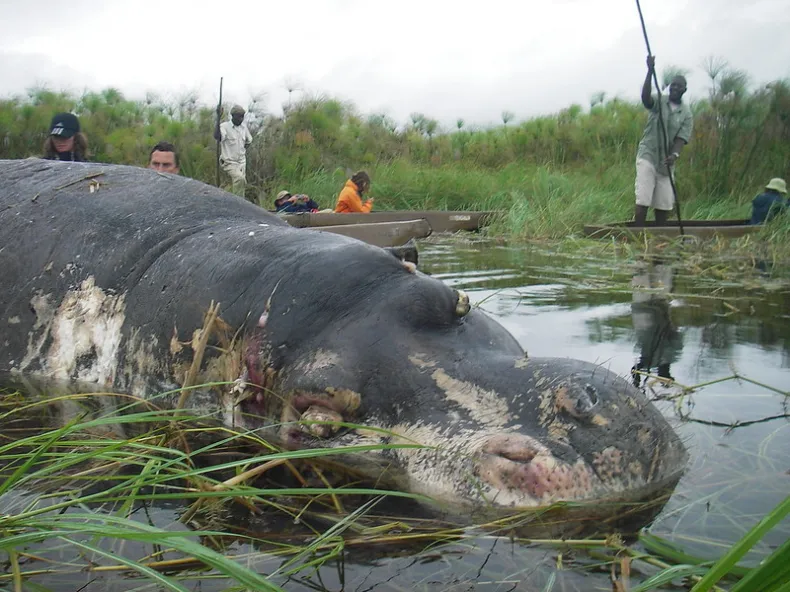
An anthrax epidemic in northern Zambia has caused significant wildlife mortality, with 46 hippopotamuses, eight elephants, five buffaloes, and one crocodile dying. The outbreak has profoundly affected wildlife populations in the region, raising serious concerns about ecological stability and public health. This widespread animal mortality shows the severity of the current anthrax event.
Wildlife Deaths and Human Infections
Twelve individuals have been infected with anthrax after consuming meat from wild animal carcasses, which subsequently tested positive for the disease. The affected people reportedly ate meat from animals that had died from the outbreak, noting the direct link between wildlife health and human well-being. All 12 individuals who contracted the disease are currently receiving treatment, according to officials, with medical teams closely monitoring their conditions. The infections highlight the critical risk of consuming contaminated wildlife, linking the animal outbreak directly to human health concerns and emphasizing the need for stringent public health measures. These human cases occurred following the deaths of 46 hippopotamuses, eight elephants, five buffaloes, and one crocodile in the region, which were definitively attributed to anthrax, confirming the zoonotic nature of the disease's transmission.
Government Containment Efforts
The Zambian government has swiftly deployed a multisectoral team to the Munyamadzi hunting reserve and the affected riverine area in Mpika district, Muchinga province, to contain the anthrax epidemic. This specialized team, comprising experts from various fields, aims to manage the ongoing outbreak and prevent further spread among wildlife and humans. Their full approach involves both veterinary and public health interventions to address the multifaceted challenges posed by the epidemic.
Authorities will reinforce wildlife police officers and establish checkpoints to secure sites where animal carcasses are found. These measures are intended to prevent the movement and consumption of infected meat, thereby significantly reducing the risk of human exposure to the deadly bacterium. The increased presence and checkpoints also seek to improve the reporting of new cases and animal deaths, facilitating a more effective and timely response to the outbreak across the affected areas. This proactive strategy is key for limiting the geographical spread of the disease and protecting both animal and human populations.
Public Health Advisories
Authorities have issued urgent public health advisories urging immediate reporting of any unexplained animal deaths to competent officials. This directive is a cornerstone of the containment strategy, as early reporting allows for prompt investigation and safe disposal of carcasses, thereby breaking the chain of transmission. The guidance emphasizes that residents should strictly avoid consuming meat from animals that have died from natural causes or unknown circumstances, as this practice is a primary pathway for human infection. The population is strongly advised against any direct contact with animal carcasses to prevent further exposure to the anthrax bacterium. These critical measures are essential in mitigating the spread of the disease from wildlife to humans and controlling the ongoing outbreak in the affected areas of Zambia, ensuring community safety and health.
Official Statements on Response
Hunting in the affected area will be temporarily suspended, according to official statements from the authorities. This key measure will remain in effect until surveillance operations can thoroughly assess the health situation and determine associated risks to both wildlife and human populations. Authorities aim to use this suspension period to establish a clearer understanding of the anthrax outbreak's extent and impact on wildlife within the Munyamadzi hunting reserve and the broader affected region. The temporary halt in hunting activities is part of broader efforts to control the spread of the disease and protect both wildlife populations and human health, reflecting the government's commitment to a full response.