Spain defeated Argentina 1-0 in a final decided after extra time, with Ferran Torres scoring the winning goal. This dramatic conclusion saw Spain secure a hard-fought victory over Argentina, marking a significant moment in the tournament's history. The intensity of a final match, particularly one extending into extra time, often elevates the stakes, and in this instance, a singular goal proved to be the decisive factor. The final scoreline registered Spain with 1 goal and Argentina with 0 goals, a testament to Spain's defensive solidity and timely offensive execution. The tension of the extra period showed the competitive nature of both teams, with Spain ultimately breaking the deadlock to claim the championship. The singular goal by Ferran Torres not only secured the trophy but also etched his name into the annals of this particular competition. This outcome served as a definitive statement on the field, concluding the tournament with a clear champion and a memorable final score.
The Political Undercurrents
Javier Milei's administration in Argentina had aligned itself with specific international figures and an ideological position, according to various reports. This reported alignment indicated a clear direction in Argentina's foreign policy and international relations under the current leadership. The Argentinian government had reportedly chosen to associate with prominent figures such as Donald Trump and Benjamin Netanyahu, signaling a particular political and ideological stance on the global stage. This choice reflected a specific worldview and a strategic decision to forge alliances with certain political personalities and movements. The implications of such an alignment for Argentina's international standing and its internal political discourse were notable, creating a distinct backdrop against which the nation's participation in major international events was viewed.
The success of the tournament leading up to the final had been acknowledged by prominent figures. Donald Trump and Gianni Infantino, the President of FIFA, had both celebrated the tournament's overall success, noting its impact and reach. Donald Trump was anticipated to take part in the trophy ceremony following Spain's victory, indicating a planned presence at one of the tournament's most significant moments. This expectation showed a connection between the political sphere and the sporting event, adding another layer of public interest to the proceedings. The involvement of such high-profile political figures in the celebratory aspects of the tournament suggested an intertwining of sports and broader political narratives, drawing attention to the various stakeholders invested in the event's outcome and its public reception.
Challenging the Narrative
The article suggests that an official narrative had favored Argentina and its prominent player, Lionel Messi, prior to the match. This perspective implies a pre-conceived outcome that Spain's victory ultimately defied, challenging the notion that the tournament's trajectory was predetermined. Such a narrative, often shaped by media expectations, historical performance, and individual star power, can create a powerful public perception that is difficult to dislodge. However, Spain's triumph served as a direct counterpoint to these expectations, demonstrating that on-field performance can override even the most entrenched predictions. The idea that a specific team or player is destined for victory can be a compelling storyline, yet the unpredictable nature of sport often provides moments that shatter such carefully constructed narratives. Spain's 1-0 win, therefore, became more than just a match result; it was a statement against the dominance of a pre-written script, asserting the power of unexpected athletic achievement.
The piece also critiques the notion of classifying a people as 'supremacist' while acknowledging that Argentina has been shaped by a self-perception of white and European exceptionalism. This internal narrative, according to the article, has contributed to a particular national identity that emphasizes its European heritage and cultural ties. The critique notes the problematic nature of such classifications, while simultaneously recognizing the historical and cultural forces that have fostered this self-image within Argentina. This self-perception of white and European exception, as described, has played a significant role in defining aspects of Argentina's social and cultural fabric, influencing its national discourse and its view of itself in the global context. The article's nuanced approach acknowledges the complexities of national identity, distinguishing between harmful labels and the recognition of deeply ingrained societal self-perceptions, however challenging they may be to confront.
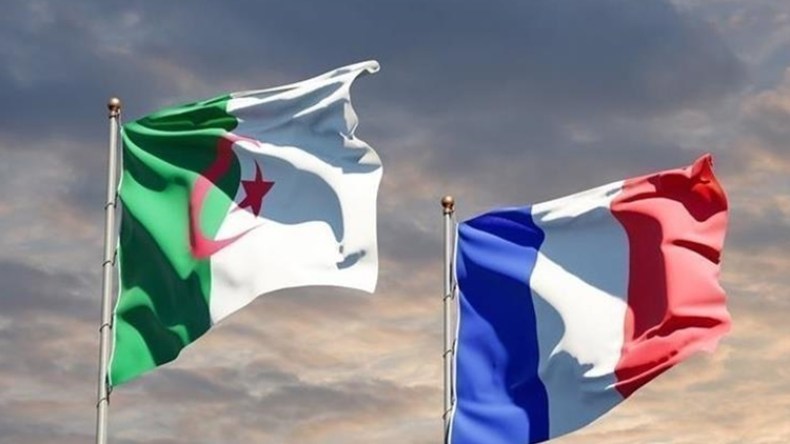
Separately, Pedro Sánchez, the Spanish Prime Minister, arrived in Algiers to conclude a diplomatic crisis between Madrid and Algiers that began in 2022. This high-level visit showed the importance of resolving the strained relations that had persisted between the two nations for an extended period. The Spanish Prime Minister's visit aimed to normalize relations between the two nations following a period of strained diplomatic ties, marking a significant effort to restore stability and cooperation. The diplomatic efforts to mend this rift were key for regional stability and bilateral relations, noting the broader geopolitical context in which Spain operates. The resolution of such a crisis required careful negotiation and a commitment from both sides to overcome the obstacles that had emerged since 2022. This diplomatic initiative, occurring concurrently with the sporting event, illustrated the multifaceted nature of international affairs and the constant engagement required to manage state-to-state relationships.
A Collective Triumph
The article describes the Spanish team as embodying a collective spirit and demonstrating brilliant play throughout the tournament. This emphasis on teamwork and cohesive performance was presented as a defining characteristic of their journey to the championship. Spain's squad featured a diverse and youthful composition, characterized as mixed-race and united in its approach, which contributed significantly to their dynamic and effective style of play. This collective effort was noted as a key factor in their unexpected victory, showcasing how a unified group can overcome individual star power. The team's performance, marked by its cohesion and skill, defied earlier expectations that had focused on individual star power from their opponents, particularly Lionel Messi. The triumph was attributed to the collaborative nature of the players, who worked together smoothly to overcome a formidable adversary. The article emphasized the Spanish team's ability to perform as a unified unit, showcasing a blend of talent and teamwork that ultimately led to their success on the global stage. This collective strength was presented as a defining characteristic of their journey to the championship, showing the power of a shared vision and mutual support in achieving peak performance. The Spanish team's youthfulness and diverse makeup were celebrated as integral to their vibrant and effective strategy, proving that a collective approach, fueled by brilliant individual contributions within a cohesive system, can lead to the highest honors.
The Ball's Verdict
Spain's 1-0 victory over Argentina in the final, secured by a goal from Ferran Torres in extra time, delivered a definitive outcome to the tournament. This decisive result put an end to all speculation and pre-match analyses, firmly establishing Spain as the champions. The match result countered earlier projections that had often centered on Argentina's Lionel Messi, demonstrating that the ultimate arbiter of success is the performance on the pitch. The Spanish team's performance, characterized by its collective spirit and diverse, youthful composition, ultimately determined the championship, proving the efficacy of their unified approach. This on-field success offered a direct counterpoint to any pre-conceived narratives regarding the expected winner, asserting the unpredictable and meritocratic nature of competitive sport. The final whistle marked Spain as the champions, with the scoreboard indicating their singular goal against Argentina's zero, a clear and undeniable testament to their superiority on the day. The significance of Ferran Torres's goal in extra time cannot be overstated, as it provided the critical moment that separated the two highly competitive teams. This outcome showed that while narratives and expectations may swirl, the reality forged on the field by the players themselves is the only truth that truly matters.