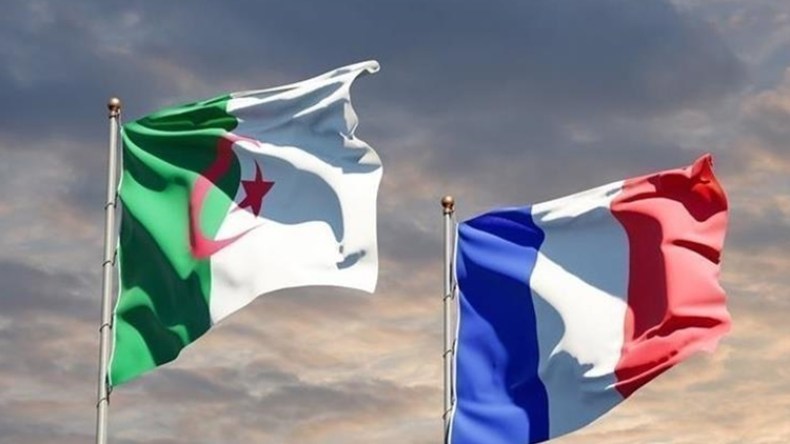
Ségolène Royal, former French presidential candidate, asserts that Algerian-French relations are mired in the Élysée Palace's unbalanced decision regarding the Western Sahara issue. Royal's statement comes amidst renewed political tensions, noting a critical point of contention. The resumption of these diplomatic skirmishes is specifically linked to French Prime Minister Sébastien Lecornu's statement on Western Sahara, made on Thursday from the capital of the Moroccan regime. Lecornu's comments have drawn significant attention to France's position on the disputed territory, directly impacting its relationships within North Africa. Royal's remarks show growing concerns about potential French isolation in the region as a direct consequence of its current foreign policy stance.
Diplomatic Missteps and Isolation
Relations between Algeria and Paris's European neighbors are advancing significantly, signaling French isolation in North Africa, according to Ségolène Royal. Royal stated that French President Emmanuel Macron has "isolated Paris in the Maghreb and Francophone Africa," attributing this concerning development to Macron's "disastrous diplomatic policy." The former presidential candidate noted that France has been excluded from the Sahel and Francophone Africa, while other European nations secure substantial agreements and strengthen their regional ties.
Royal noted that the deterioration of relations occurred after the French President's "blatant alignment" with the Moroccan autonomy plan for Western Sahara. She characterized the current state of French-Algerian partnerships as "a near-total halt in our institutions' partnerships in the industrial, agricultural, construction, and port sectors." Royal added that political skirmishes between Algeria and France resumed in the past few days, "ignoring strategic necessities" for both nations.
According to Royal, Italy has gained significant advantages from its excellent relations with Algeria, securing substantial deals in both energy and public works sectors. Algeria's energy and public works contracts with Italy, and a visit by Algerian President Abdelmadjid Tebboune to Germany that yielded around thirty contracts including green hydrogen and automotive industries, show France's diminishing influence. President Tebboune's visit to Germany specifically resulted in the signing of approximately thirty agreements, covering key sectors such as energy, renewable energy (green hydrogen), and the automotive industry. She also pointed to the scheduled visit of Spanish Prime Minister Pedro Sánchez to Algeria on Monday, July 20, 2026, to propose several projects, further sidelining France. Royal emphasized the urgent need to "rebuild bridges of understanding between the two sides of the Mediterranean, away from any dependence or alignment with the political and diplomatic choices of sovereign states." She concluded that by 2027, "it will be necessary to revive a diplomacy characterized by wisdom and foresight, based on calm and mutual respect, with all neighboring Mediterranean countries, thus establishing a fruitful partnership that serves common interests."
Economic Repercussions and Lost Opportunities
Italy has gained advantages from its strong relations with Algeria, securing significant deals in both energy and public works, according to observations from Ségolène Royal. Algerian President Abdelmadjid Tebboune's visit to Germany further solidified these trends, resulting in the signing of approximately thirty agreements that span energy, including green hydrogen, and the automotive industry. Royal pointed out that Opel has decided to localize its engine production in Algeria, contrasting sharply with the inactive status of the French Renault factory in the country. This decision by Opel notes a shift in investment and manufacturing away from French interests.
Royal also expressed deep concern over the near-complete halt in partnerships between French and Algerian institutions across industrial, agricultural, construction, and port sectors. This cessation of collaboration represents significant lost economic opportunities for France. Meanwhile, the Spanish press viewed Pedro Sánchez's visit to Algeria as an announcement of "turning the page on disagreement permanently" regarding Western Sahara. This diplomatic move signifies a concerted effort by Spain to mend and strengthen its ties with Algeria. Spain aims to increase Algerian gas supply via the Medgaz pipeline by approximately 10% and plans to double its liquefied natural gas (LNG) shipments. This strategic move by Spain is significantly influenced by the European Union's decision to cease importing Russian gas by next year, prompting member states to seek alternative energy sources. France, in contrast, had been anticipating a doubling of Algerian gas exports to France since President Emmanuel Macron's visit in 2022. However, that agreement did not materialize and subsequently collapsed after the deterioration of bilateral relations on July 30, 2024, leaving France without the anticipated energy supply boost.
Royal's Proposed Diplomatic Reset
Ségolène Royal, a former French minister and leader in the French Socialist Party, warned that President Emmanuel Macron's current policy risks the loss of Paris's economic and geopolitical interests in the Maghreb region. Royal explicitly stated that "Macron has isolated Paris in the Maghreb and Francophone Africa." She attributed this concerning situation to what she termed a "disastrous diplomatic policy," which has seen France excluded from the Sahel and Francophone Africa, regions where it historically held significant influence. Royal noted that energy and public works contracts with Italy, Germany's approximately thirty agreements including green hydrogen and automotive industries, and the scheduled visit of Spanish Prime Minister Pedro Sánchez to Algeria to propose several projects, all serve as clear demonstrations of France's increasing marginalization in the region.
Royal further observed that partnerships between French and Algerian institutions across industrial, agricultural, construction, and port sectors "are now experiencing a near-total halt." She added that political skirmishes have resumed in recent days, "ignoring strategic necessities" that should guide diplomatic relations. Royal emphasized the critical need for Algeria and France to reach an understanding "away from any dependence or alignment with the political and diplomatic choices of sovereign states." She stressed that "we must rebuild bridges of understanding between the two sides of the Mediterranean" to foster a more productive and respectful relationship.
For the upcoming French presidential elections in 2027, Royal's political project includes reviving a diplomacy characterized by wisdom, foresight, calm, and mutual respect with all Mediterranean neighbors. She affirmed, "By 2027, it will be necessary to revive a diplomacy characterized by wisdom and foresight, based on calm and mutual respect, with all neighboring Mediterranean countries, thus establishing a fruitful partnership that serves common interests." This vision proposes a significant shift from the current trajectory, advocating for a more balanced and cooperative approach to foreign policy in the vital North African region.