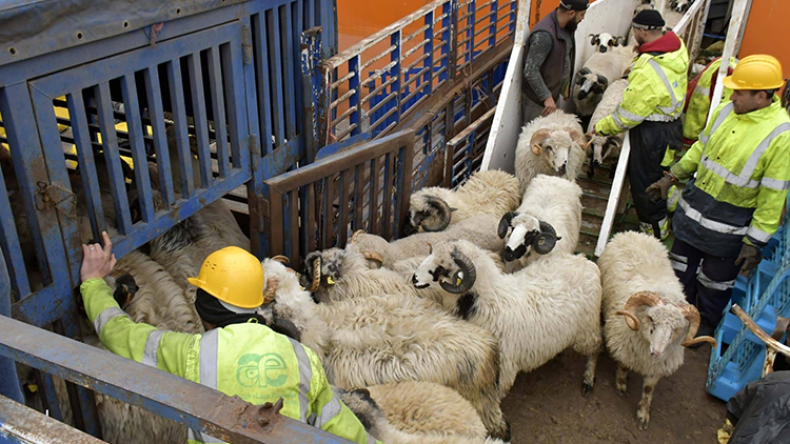
The Public Prosecutor at the Algiers Court of Appeal revealed serious violations surrounding the import of one million sheep for the recent Eid al-Adha. The prosecutor stated that "some officials have been infected by the virus of crime and do not seek a cure." Officials from the Algerian Company for Red Meat, including directors of Human Resources and Finance, were implicated in the import operations, facing scrutiny for their roles in the procurement process. This information was reported on July 13, 2026, shedding light on a significant breach of public trust. The revelations highlight concerns about integrity within state-owned enterprises responsible for essential public services.
Scope of Violations Detailed
The violations identified in the sheep import scandal encompass both health and financial transgressions, presenting a dual challenge to public welfare and economic accountability. Reports indicate that a staggering 700,000 sheep were affected by these health and financial violations, representing a significant portion of the total imported livestock. The Public Prosecutor at the Algiers Court of Appeal detailed these issues, which arose during the import of one million sheep intended for Eid al-Adha. The prosecutor's strong statement, asserting that "some officials have been infected by the virus of crime and do not seek a cure," directly links these violations to actions within the public sector. Officials from the Algerian Company for Red Meat, specifically directors of Human Resources and Finance, were explicitly implicated in the import operations, according to information reported on July 13, 2026. The involvement of these key personnel shows the systemic nature of the alleged malfeasance, suggesting that the integrity of internal controls was compromised. The health violations raise serious questions about consumer safety and animal welfare, while the financial transgressions point to potential embezzlement or misuse of public funds intended for a critical religious and social event.
Criminal Network's Reach
Criminal elements have reportedly extended their influence to tamper with both social aspects and public sector operations within the country. The article asserts that these individuals are audacious enough to manipulate these critical areas, demonstrating a widespread and bold approach to illicit activities. This reported interference suggests a broad scope of activity for criminal networks, reaching into areas that directly impact public well-being and governmental functions. The claims highlight an issue where illicit activities are not confined to isolated incidents but are rather impacting fundamental societal structures and administrative bodies. Such actions pose significant challenges to public trust and the integrity of services provided by the public sector. The reported tampering with social aspects indicates potential disruptions beyond mere financial malfeasance, affecting community norms or public order, and potentially undermining social cohesion. The involvement of public sector elements in these criminal activities further complicates efforts to address the issue, as it implies internal vulnerabilities within governmental structures that are being exploited. These assertions contribute to the broader narrative of deep-rooted criminality impacting various facets of public life, from essential food supplies to social programs.
Enduring Challenge to Integrity
Criminal elements have reportedly manipulated various public services and resources over several decades, indicating a long-standing and entrenched problem. Their alleged activities include tampering with social housing allocation, a critical service for vulnerable populations, and influencing company job placements, which undermines fair employment practices. These individuals are accused of involvement in smuggled fuel operations, impacting national resources and economic stability. Additionally, the scope of their alleged interference extends to public hospital equipment, potentially compromising healthcare services, and Hajj passport issuance, which affects religious duties. The distribution of Ramadan baskets and Eid sacrifices, intended to support needy families, has also reportedly been subject to manipulation. The breadth and duration of these reported manipulations suggest a persistent challenge to the integrity of public sector operations and social programs, noting the urgent need for full reforms and strong oversight mechanisms to safeguard public resources and uphold ethical governance.