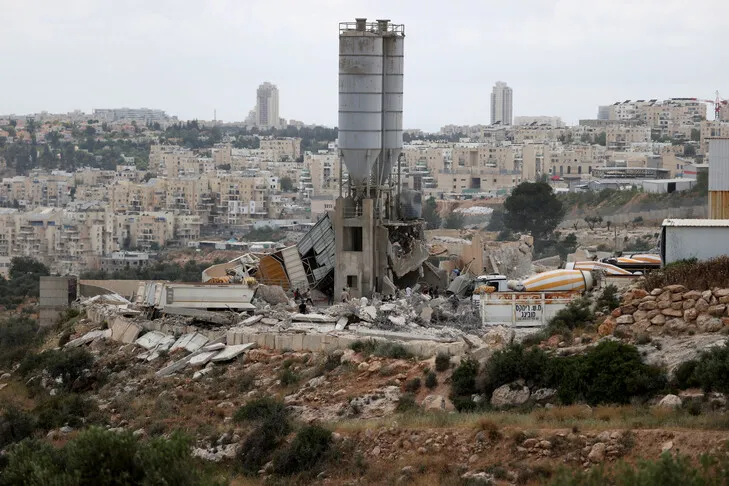
France, Canada, Australia, Germany, Italy, New Zealand, and the United Kingdom on Friday condemned the expansion of Israeli settlements in the occupied West Bank. The seven nations stated that the expansion compromises regional stability and the prospects for a two-state solution, issuing a joint declaration in French. The countries affirmed, "Le droit international est clair : les colonies israéliennes en Cisjordanie sont illégales." They noted their concern that continued settlement activity obstructs efforts toward lasting peace. This collective statement showed the international community's growing alarm regarding the ongoing developments in the region. The seven countries emphasized that such expansion directly undermines the viability of a future Palestinian state, which is central to a lasting resolution.
Specific Criticisms and Demands
The seven nations affirmed that violence by Israeli settlers has reached "unprecedented" levels in recent months. This alarming increase in incidents was a key point of their joint condemnation. They also criticized Israeli government policies for further strengthening control over the occupied West Bank, policies which they argued exacerbate tensions and diminish prospects for peace. The countries referred to the E1 development project as a "grave violation of international law," stating that the project would divide the occupied West Bank in two and undermine prospects for a negotiated solution. This particular project, if implemented, would severely fragment Palestinian territorial contiguity. Consequently, the declaration called on companies not to participate in tenders related to settlement projects, urging the private sector to refrain from activities that contribute to the expansion of illegal settlements.
The nations urged Israel to end settlement expansion, ensure accountability for settler violence, and investigate accusations against Israeli forces. They stressed the importance of upholding legal principles and protecting Palestinian civilians. They additionally called for respect for the historical status quo of holy sites in Jerusalem, a sensitive issue with significant religious and political implications. The countries called for the lifting of financial restrictions on the Palestinian Authority and economy, recognizing that economic stability is key for regional peace and governance. They reaffirmed their commitment to a "just and durable" peace based on a negotiated two-state solution, in line with UN Security Council resolutions. This commitment shows a long-standing international consensus on the path to resolving the Israeli-Palestinian conflict. The Palestinian Commission for the Separation Wall and Settlement Resistance recorded 1,637 settler attacks in April alone, illustrating the scope of the issue and the urgency of the nations' demands for accountability. The seven countries reiterated their stance on the illegality of settlements, stating, "Le droit international est clair : les les colonies israéliennes en Cisjordanie sont illégales." This unequivocal statement reflects a consistent position under international law.
Context of Violence and Arrests
According to Palestinian data, Israeli army violence in the occupied West Bank has resulted in 1,162 Palestinian deaths since October 8, 2023. These figures represent a significant loss of life and a deepening humanitarian crisis in the territory. The data also indicates that over 12,245 injuries have occurred in the region during the same period, noting the widespread impact of the ongoing conflict on the civilian population. These figures show the scale of the ongoing violence in the West Bank, which has intensified dramatically in recent months. The seven nations' statement comes amidst this backdrop of escalating violence and instability.
Further escalating the situation, nearly 23,000 Palestinians have been arrested, according to the same Palestinian sources. This number reflects a significant increase in detentions, contributing to the already strained humanitarian conditions and further fueling tensions. The arrests have been a point of contention and concern for human rights organizations. The context of these deaths, injuries, and arrests shows the volatile environment in the occupied territories as international concern over settlement expansion continues. The humanitarian situation, coupled with the political stalemate, presents a complex challenge for regional stability and peace efforts.
Palestinian Response and Peace Outlook
The Palestinian presidency welcomed the joint statement from the seven nations, describing it as an "étape importante dans la bonne direction" (an important step in the right direction). This positive reception indicates the Palestinian Authority's appreciation for international diplomatic pressure on the issue of settlements. The presidency viewed the condemnation as a "position internationale forte" (strong international position) against Israeli settlement expansion in the occupied West Bank, signaling a rare moment of unified international stance. This response shows the Palestinian Authority's consistent stance on the illegality of settlements and their impact on future peace negotiations. The Palestinian leadership has consistently argued that settlement expansion systematically erodes the land base for a viable Palestinian state. The presidency emphasized the necessity of international pressure to halt Israeli actions that undermine prospects for a two-state solution, particularly given the ongoing violence and expansion in the occupied Cisjordanie. They reiterated that such international interventions are key for preserving the possibility of a negotiated settlement and achieving a just and durable peace in the region.