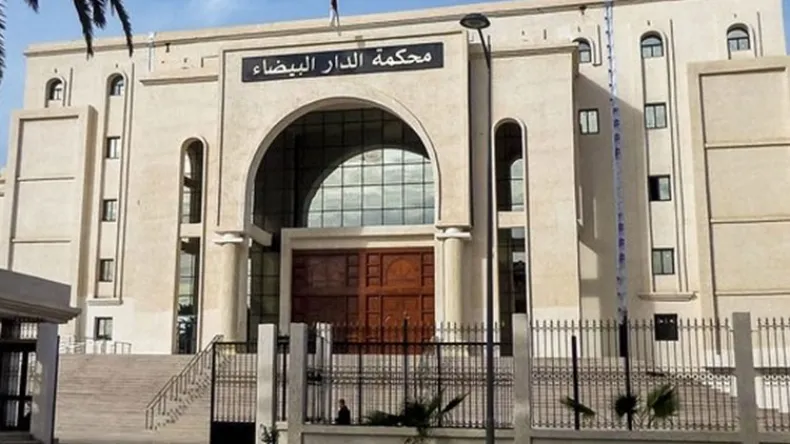
The Public Prosecutor at the Dar El Beida court on Sunday sought penalties ranging from three to seven years of effective imprisonment for officials from the Trade Ministry. This significant legal action shows the gravity of the allegations being investigated. The prosecutor's call for sanctions comes amidst an ongoing corruption probe targeting individuals associated with the ministry, specifically employees of the Ministry of Foreign Trade and Export Promotion. The proposed sentences, which range from a minimum of three years to a maximum of seven years, vary based on the specific charges faced by each official involved in the investigation. These penalties are aimed at holding accountable not only the ministry personnel but also various economic actors implicated in the illicit schemes. The court proceedings are continuing to address the alleged illicit activities that have prompted the legal action, aiming to uncover the full extent of the reported corruption.
Allegations of Corruption Empire
The Public Prosecutor at the Dar El Beida court accused the defendants of establishing an "empire" dedicated to exchanging favors and manipulating import licenses. This alleged network facilitated illicit activities within the Trade Ministry, operating with a sophisticated level of coordination. Prosecutors asserted that the officials enabled a number of traders to acquire import licenses through illegitimate means. This was reportedly achieved by approving falsified or otherwise irregular estimated tables submitted as part of the licensing process, circumventing standard procedures and regulations. The establishment of such an "empire" suggests a systemic and organized approach to corruption, rather than isolated incidents. The court is meticulously examining evidence related to these allegations as part of the broader corruption probe, seeking to dismantle the network and prosecute those responsible for its operation. The manipulation of import licenses had broad implications, impacting fair competition and market integrity.
Financial Scale of Favors
Commissions paid for illicit interventions reportedly reached up to 25 million centimes per transaction, according to details emerging from the ongoing corruption probe. These substantial payments were allegedly made to secure favorable treatment and manipulate import licenses, noting the significant financial incentives driving the corruption. The Public Prosecutor at the Dar El Beida court is examining the scale of these financial exchanges as part of the broader investigation into Trade Ministry officials. The probe seeks to uncover the full extent of the "empire" reportedly established to facilitate such illicit activities, including the precise flow of these large sums of money. The financial scale indicates the significant value placed on these manipulated licenses and the level of alleged corruption within the ministry, suggesting that the benefits derived from these illicit activities were considerable. This aspect of the investigation is key for understanding the motivations and the scope of the corrupt practices.
Prosecution and Penalties
The Public Prosecutor at the Dar El Beida court has sought penalties not only for employees of the Ministry of Foreign Trade and Export Promotion but also for various economic actors involved in the alleged corruption. This wider scope indicates that the probe extends beyond internal ministry personnel to encompass individuals and entities from the private sector who reportedly benefited from the illicit schemes, acting as beneficiaries or facilitators. The proposed sentences, ranging from three to seven years of effective imprisonment, reflect the prosecutor's assessment of the gravity of the offenses committed by both state employees and those operating in the economic sphere. The inclusion of economic actors shows the belief that the corruption involved a collaborative effort between public officials and private entities. The legal proceedings aim to address the systemic nature of the corruption allegations, holding accountable those within the ministry and the external parties who participated in the manipulation of import licenses and exchange of favors, thereby ensuring a full approach to justice.