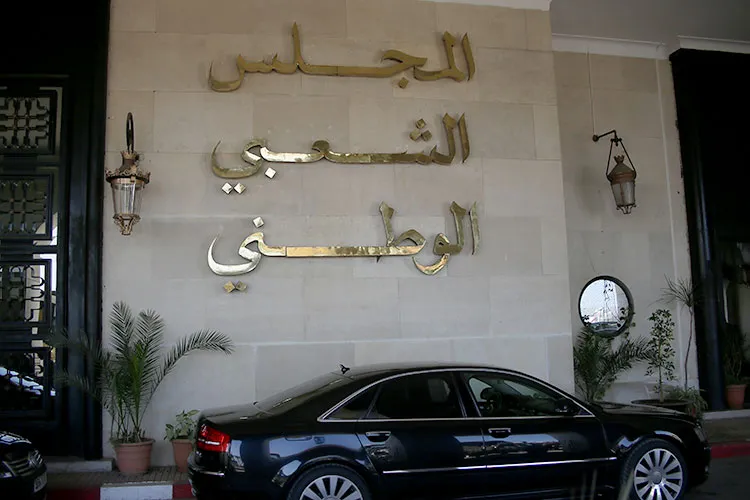
Newly elected members of the National People’s Assembly are scheduled to be sworn in, with the inaugural session of the new legislative body anticipated on August 2. Discussions are currently underway regarding candidates for several key leadership roles within the Assembly. These positions include the Speaker of the Assembly, deputy speakers, and heads of various parliamentary groups. Additionally, candidates are being considered for the chairs of standing committees and committee rapporteurs, indicating the preparatory phase for the Assembly’s full functionality.
Navigating Leadership Selection
The election of the Speaker of the National People’s Assembly is governed by constitutional provisions, parliamentary regulations, and the political balance established by the recent legislative elections. This process is critical for the Assembly's operational structure, as the Speaker presides over its sessions and represents the legislative body. The selection of the Speaker reflects the outcomes of the electoral process and the subsequent negotiations among parties.
The positions of deputy speaker hold particular significance because they are central to the formation of the Assembly’s Bureau. This Bureau serves as the primary administrative and organizational body of the Assembly, established before the creation of other parliamentary bodies. The composition of the Bureau, including the deputy speakers, influences the initial direction and procedural operations of the legislative session.
Strategic Committee Appointments
Each political party represented in the Assembly is seeking to secure representation within these structures in proportion to the number of seats it holds. Standing committees play a key role in the legislative process, tasked with examining draft legislation, reviewing legislative proposals, and overseeing issues within their respective jurisdictions. Committee chairmanships are among the most sought-after positions in parliament, granting their holders significant influence over committee proceedings and the direction of debate on key legislative and policy matters. This emphasis on committee appointments shows their importance in shaping legislative outcomes and policy direction within the National People's Assembly.
Parliamentary Power Dynamics
The formation of the National People's Assembly's remaining structures is significantly influenced by each party’s internal rules, the composition of the new parliament, and the distribution of seats among political forces. This process dictates how various parliamentary bodies, beyond the initial Bureau, will be constituted. The internal dynamics of each political party guide its approach to these appointments, ensuring alignment with its strategic objectives. Ultimately, the overall balance of power within the legislature, as determined by recent election results, plays a decisive role in shaping these structures, affecting committee assignments and other influential positions.
Internal Party Processes
The selection process within political parties and parliamentary groups typically relies on one of two methods, according to observers. These methods include direct appointments made by the party leadership or internal elections conducted through a ballot among party members. This internal structuring is key for determining which individuals will represent the party in key roles within the National People's Assembly. The approach taken by each party can influence the perceived legitimacy and internal cohesion of its parliamentary delegation as it seeks to secure influential positions ahead of the inaugural session.