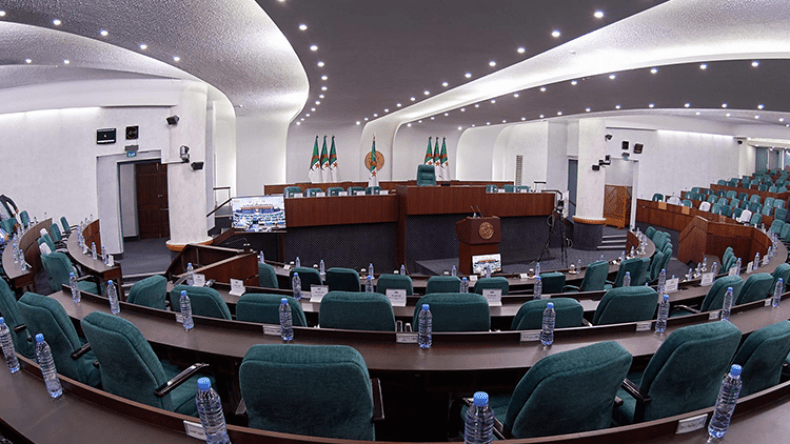
New deputies to the National People's Assembly will be inaugurated in 10 days, marking the imminent start of a new parliamentary session. Specifically, 10 days separate the current date from the inauguration of these new deputies, setting a clear timeline for the preparatory activities. The upcoming inauguration sets the stage for political parties to finalize preparations and strategies for their legislative agendas. This period is key for formulating positions on key national issues ahead of the assembly proceedings, as parties strategically position themselves for influence and effective governance. The commencement of the new session is a significant event in the nation's political calendar, signaling a fresh legislative cycle.
Key Parliamentary Roles
Political parties are currently engaged in extensive discussions to select candidates for important positions within the new parliamentary structures. These key roles include the highly influential Speaker of the National People's Assembly, several Deputy Speakers, and the heads of various parliamentary blocs, which represent the different political groupings within the assembly. Discussions also encompass candidates for leadership within the vital standing committees and their respective rapporteurs, who play a key role in drafting and presenting legislative reports. This intricate process is critical as parties seek to establish their influence and operational effectiveness in the upcoming legislative session. The appointments to these high-profile positions are anticipated to significantly shape the legislative agenda, dictating the direction and priorities of parliamentary debate. The focus on defining these roles comes as the new deputies prepare for their inauguration, setting the stage for significant political appointments before the session officially commences. The strategic allocation of these roles is a primary concern for all political factions, aiming to maximize their impact on policy-making and legislative oversight.
Committee Structure and Selection
The selection process for parliamentary positions involves a multi-faceted approach, incorporating internal party discussions, potential direct appointments by party leadership, and in some cases, internal elections conducted via ballot box. This combination of methods determines who will hold key roles within the assembly's operational framework. Essential standing committees, which form the backbone of legislative scrutiny, include the powerful Finance Committee, the critical Legal Committee, the internationally focused Foreign Affairs Committee, and the influential Economic Committee. These bodies play a key role in scrutinizing legislation and government policy across various sectors, ensuring thorough review and informed decision-making. The composition of these committees and the leadership within them are central to the legislative work of the new parliamentary session, directly impacting the depth and breadth of legislative oversight. The careful selection of members for these committees is critical, as they are responsible for detailed examination of proposed laws and government actions.
Timeline to Inauguration
The first session of the new National People's Assembly is expected to convene on August 2nd. This date marks a significant step in the legislative calendar, as newly elected deputies will officially commence their duties and begin their work in the parliamentary chambers. The inaugural session will set the tone for the upcoming parliamentary term, with initial proceedings likely focusing on formalizing the assembly's structure and leadership, including the election of the Speaker and Deputy Speakers. The expectation of this specific date allows parties to finalize their strategies and candidate selections for various parliamentary roles, ensuring a state of readiness for the official start of legislative work. This deadline creates a sense of urgency and purpose for all political entities involved.
Navigating the Process
The process of establishing the new parliamentary session involves intricate procedures for parties and individual deputies alike. Newly elected members must rapidly acclimate to parliamentary protocols and legislative frameworks, understanding the rules of debate and the mechanisms of law-making. Parties are actively engaging in internal deliberations to align on legislative priorities and strategies for the upcoming term, ensuring a unified front on key issues. This preparatory phase is essential for ensuring a smooth transition and effective functioning of the National People's Assembly. The various committees, once formed and staffed, will promptly begin their work of scrutinizing proposed legislation and government policies, playing a vital role in the legislative process. Parties are therefore focused on ensuring their representatives are well-prepared to contribute to these key legislative responsibilities from the outset, equipped with the knowledge and mandate to advocate for their agendas.