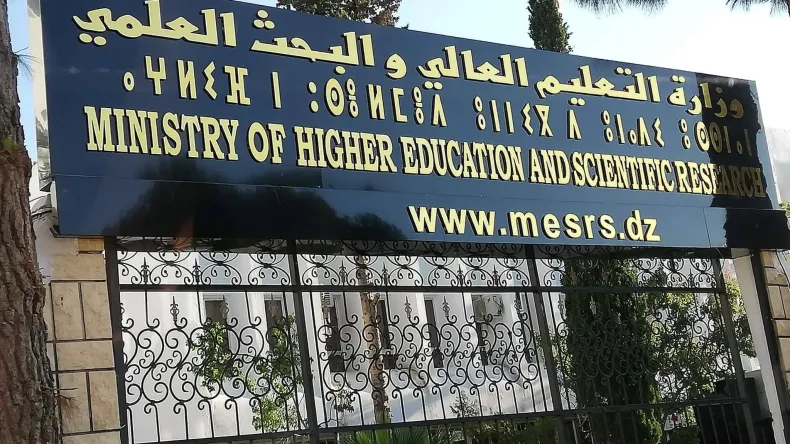
The Ministry of Higher Education and Scientific Research has officially released a full new guide for organizing international scientific events, marking a significant step in standardizing and enhancing academic gatherings. This new guide aims to streamline the intricate processes involved in hosting such gatherings, ensuring greater efficiency and adherence to national academic objectives.
The Ministry clarified that the new guidelines specifically apply to international scientific events possessing an international dimension and falling under the direct responsibility of regional symposiums. This precise scope ensures that the guide targets events with a clear international reach and a structured organizational framework.
New Guidelines and Scope
Under the newly issued regulations, events must now align explicitly with national priorities and work towards enhancing scientific recognition, according to the Ministry's new guidelines. This requirement shows a strategic effort to ensure that international scientific collaborations contribute directly to the nation's broader research and development goals. The Ministry outlined several critical criteria for programming scientific activities under these new rules, emphasizing a structured approach to event organization. These criteria mandate strict adherence to established research ethics, ensuring integrity and credibility in all scientific endeavors. A clear alignment with institutional scientific orientations is required, ensuring that events support the core missions of academic institutions. Events must also explicitly respect national sovereignty in their content and proceedings, and define clear, measurable objectives for their proceedings. These objectives are key for evaluating the impact and success of each event.
Application and Review Process
To facilitate the implementation of these new directives, the Directorate of Cooperation and University Exchange has issued a clarifying memo to the heads of regional symposiums. This memo provides detailed instructions regarding the application and review process for international scientific events, ensuring a consistent understanding across all regions. Regional committees, specifically tasked with studying and evaluating international events, are scheduled to convene twice annually. This regular meeting schedule is designed to ensure timely review and approval of proposed events. However, recognizing the dynamic nature of academic research and international collaboration, exceptional sessions can be organized if necessary to address urgent matters or unforeseen circumstances, according to the Directorate. This flexibility allows for responsiveness while maintaining strong oversight.
Applications for organizing an event must be submitted to the relevant regional committee a minimum of 10 days prior to the scheduled regional expertise session. This deadline ensures that committees have adequate time to thoroughly review all submissions before their meetings. The Directorate of Cooperation has established a specific and predictable schedule for these expertise sessions, which will consistently occur in January, April, July, and October each year. This quarterly schedule provides clear planning horizons for event organizers. The Directorate of Cooperation has also meticulously outlined three distinct stages for processing applications to organize international scientific events, from initial submission to final approval. As part of the stringent application requirements, all submitted papers intended for presentation at these events must include the title, abstract, and keywords presented in three languages: Arabic, English, and French. This trilingual requirement is designed to enhance accessibility and broaden the international reach of the research presented.
Objectives and Impact
The Ministry of Higher Education and Scientific Research issued the new guide following a period of several months during which international symposiums focusing on humanities were suspended. This suspension preceded the implementation of these new guidelines, noting the Ministry's deliberate approach to re-evaluate and refine the framework for international academic events. The guide was specifically issued after these months of suspending international symposiums in humanities, indicating a direct response to the need for clearer regulations in this field. The Ministry emphasized the critical importance of consistently evaluating the results generated by scientific events. This rigorous evaluation is intended to ensure that such gatherings effectively contribute to the advancement of knowledge and ultimately enhance scientific recognition within the academic community, both nationally and internationally. This focus on outcomes shows a commitment to maximizing the impact and value of every international scientific event hosted under the new framework.