The World Health Organization (WHO) has expressed heightened concern over the transmission of the Ebola virus in the Democratic Republic of Congo, particularly within the province of Ituri. This warning follows significant security challenges affecting the Ebola response. An Ebola treatment center located in Bunia, Ituri province, was attacked on the day before the declaration, further complicating efforts to contain the outbreak. The ongoing instability in the region poses a severe threat to public health initiatives, making the containment of the deadly virus increasingly precarious.
Epidemic Scale and Spread
Two months after the start of the epidemic, more than 2,000 cases and nearly 800 deaths had been recorded, illustrating the rapid and devastating progression of the disease. Approximately two-thirds of these deaths occur within communities, complicating efforts to track and contain the virus. Officials noted that the majority of new Ebola cases were detected outside the lists of already identified contacts, indicating a wider, unchecked spread within the affected populations. This pattern suggests that many individuals contracting the disease are not initially known to response teams, making contact tracing increasingly challenging. The dispersed nature of deaths within communities further hinders effective public health interventions aimed at isolating infected individuals and preventing further transmission. The high proportion of community deaths also suggests that many individuals are not reaching treatment centers, leading to higher mortality rates and increased risk of transmission within households and neighborhoods.
Security Obstacles Hamper Response
The security situation in eastern Democratic Republic of Congo constitutes a major obstacle to the fight against Ebola, representing a significant impediment to efforts aimed at controlling the outbreak. Ongoing armed clashes in the region severely restrict access to patients, making it difficult for response teams to reach those in need of treatment and care. These clashes also expose medical personnel to heightened risks, further complicating their ability to carry out vital public health interventions. The volatile environment impedes the safe movement of health workers and supplies, directly impacting the effectiveness of contact tracing, vaccination campaigns, and community engagement initiatives. This lack of secure access means that infected individuals may not receive timely medical attention, contributing to the virus's spread within communities and across geographic areas. The persistent insecurity thus undermines the foundational pillars of an effective Ebola response, threatening to prolong the outbreak and increase its toll. The constant danger faced by frontline health workers also leads to a reluctance to operate in certain areas, creating pockets where the virus can spread undetected.
Call for Broader Political Action
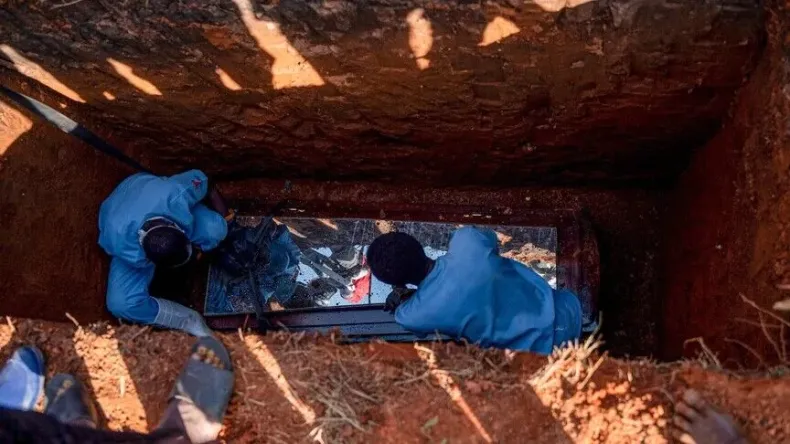
The World Health Organization (WHO), the Africa Centres for Disease Control and Prevention (Africa CDC), and their partners are actively supporting the Congolese Ministry of Health in its efforts to control the Ebola outbreak. These organizations are working to strengthen the local health response amid the challenging security environment. The agencies and their partners emphasize the need for political solutions to facilitate humanitarian and health interventions. A temporary ceasefire in the conflict-affected region could significantly aid relief operations and enhance the protection of personnel involved in the health response. Such a pause would allow for safer access to affected populations, enabling medical teams to conduct essential activities like contact tracing, vaccinations, and safe burials more effectively. This would not only protect health workers but also allow for a more full and sustained public health response, ultimately leading to better control of the epidemic.