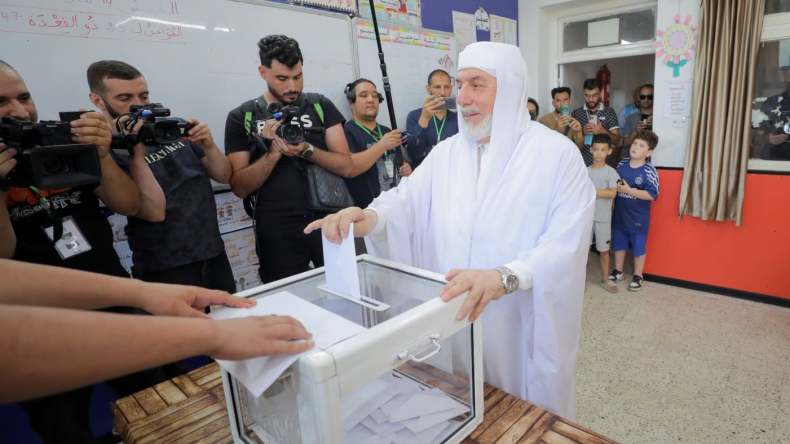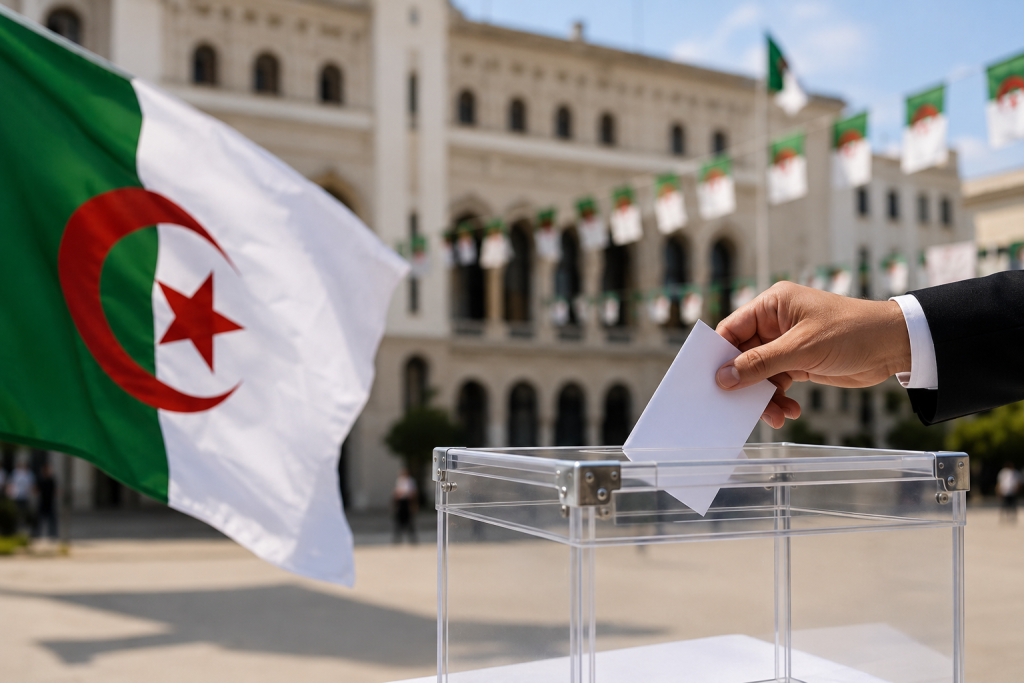
Algeria held legislative elections on July 2, 2026, a significant democratic exercise where over 24.7 million Algerian voters were called to elect 407 deputies for the tenth legislature of the National People's Assembly. This nationwide electoral event saw citizens participate in selecting their representatives for the legislative body. The deputies are distributed across 77 constituencies, ensuring broad representation from various regions. Notably, eight of these seats were specifically reserved for the national community established abroad, allowing Algerian expatriates to also have a voice in their country's parliament. To facilitate voting for all eligible citizens, particularly those in remote or nomadic areas, 134 mobile polling stations were strategically deployed across fifteen wilayas. These mobile units served nomadic populations and residents in remote border areas, ensuring broader access to the electoral process and upholding the principle of universal suffrage. The careful planning aimed to ensure that every eligible voter had the opportunity to cast their ballot, regardless of their location.
Visible Security Presence
A significant security presence was observed across Algiers during the legislative elections, showing the authorities' commitment to maintaining order and ensuring the integrity of the voting process. Police officers were deployed to polling centers in teams ranging from two to four agents, with staffing levels meticulously adjusted based on the electoral body density, the size of the site, and its surrounding environment. This tailored approach ensured optimal security coverage where it was most needed. This strong deployment was evident at various locations throughout the city, providing a reassuring presence for voters and electoral staff alike.
Security personnel were particularly noted at polling centers in the Karim-Belkacem, Mohamed-V, and Premier-Mai districts, which are key areas within the capital. The visible presence extended to other key urban areas, reinforcing the full security measures implemented for the electoral process. Near Place Audin, a central and bustling location, four police vehicles were observed, indicating a concentrated effort to maintain order and public safety in high-traffic zones. Agents from these deployments were strategically positioned along Rue Didouche-Mourad and in front of the Grande Poste, effectively covering central areas of the capital and ensuring a secure perimeter around critical public spaces. The continuous presence of security forces aimed to deter any potential disruptions and foster a safe environment for citizens exercising their democratic right.
Full Security Mission
The security mission for the legislative elections encompasses various phases, extending well beyond the mere closure of polling stations. Its full scope ensures the integrity of the entire electoral timeline. This mission extends to the key stages of vote counting, where security forces play a vital role in safeguarding the process against any irregularities. The protection of consolidation centers, where ballots are aggregated and verified, is a key responsibility. Security forces are also responsible for ensuring the safe transport of minutes and ballot boxes, safeguarding the integrity of the electoral process from start to finish. This careful approach aims to maintain order and prevent any disruptions throughout the post-voting period, guaranteeing that the results accurately reflect the will of the voters.
In parallel with the police deployment, elements of Civil Protection were mobilized to support the extensive security operations. These dedicated personnel were tasked with monitoring access points to polling centers, ensuring controlled entry and exit for voters and officials. Their role also involved conducting thorough checks on safety equipment within the polling stations to ensure a secure environment for all participants. Additionally, Civil Protection personnel provided assistance to voters as needed, contributing to the overall smooth functioning of the election day. Their presence showed a multi-agency approach to electoral security, focusing on both law enforcement and public safety.
Official Statements and Context
A significant security deployment was visible from the very opening of polling stations in Algiers, coinciding with the broader logistical preparations for the legislative elections across the country. Official figures released by the electoral authorities indicated that a total of 24,727,041 voters were registered to participate in this democratic process. This substantial total included 23,872,756 voters residing within Algeria, noting the massive domestic participation. Additionally, 854,285 members of the national community living abroad were registered, all eligible to cast their ballots and contribute to the selection of the tenth legislature of the National People's Assembly.
The government allocated a global budget of 23 billion dinars to facilitate the extensive logistical organization of the election. This significant financial commitment underpinned the extensive arrangements made across the country and for expatriate voters, demonstrating the state's dedication to a well-managed electoral process. The allocated funds covered various operational aspects, including the deployment of personnel, the establishment of polling stations, and the secure transport of electoral materials. This substantial investment supported the electoral commission and ensured the effective conduct of the voting process, from voter registration to the final tabulation of results, reinforcing the credibility and transparency of the elections.