A United Nations official cautioned that any return to widespread hostilities in the Gulf region would lead to catastrophic consequences for its inhabitants. Elizabeth Spehar, an assistant secretary-general at the UN, delivered the warning amidst ongoing tensions in the area. Her statement shows profound concerns about the potential human cost of renewed conflict, emphasizing the devastating impact such a scenario would have on the region's peoples. The official's stark assessment notes the urgent need for de-escalation and diplomatic solutions to prevent further suffering and instability in an already volatile part of the world.
Escalating Risks and Miscalculation
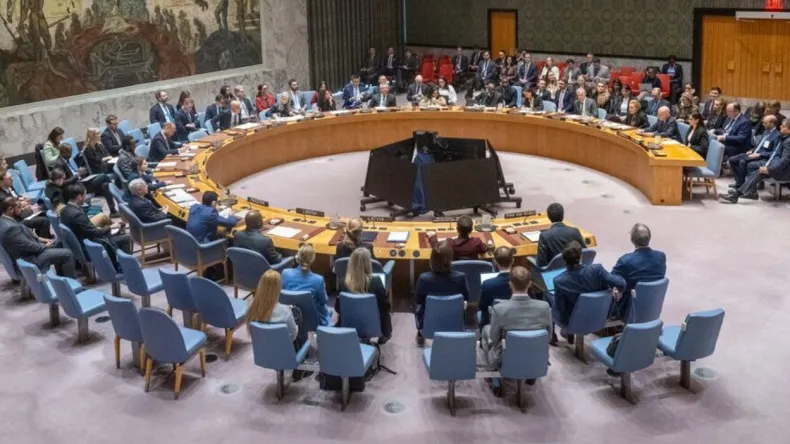
The UN Security Council session, during which these critical warnings were issued, was convened at the request of Bahrain. Bahrain had asked for the discussion to address what it described as recent "Iranian aggressions" against its territory. This request signals a heightened state of tensions between the two nations, bringing their disputes before the international body for urgent consideration. The specific nature of the alleged aggressions was not detailed in the request, but the phrasing indicates a serious concern from Bahrain regarding its security and sovereignty. International observers are closely monitoring the situation for any potential escalation following these accusations, recognizing the delicate balance of power in the Gulf. The diplomatic move by Bahrain to bring its grievances to the Security Council notes the fragile security environment in the Gulf region and the international community's role in addressing these flashpoints.
Protecting Civilians and Infrastructure
The warning regarding catastrophic consequences was delivered during an emergency session of the UN Security Council, convened specifically to address the escalating situation. During this key session, the United Nations official emphasized the critical need to protect civilian populations and essential infrastructure in the event of any renewed hostilities. This protection extends specifically to residential areas, ports, and key energy facilities, which are vital for daily life and economic stability. The official noted the imperative to safeguard commercial ships and their navigation crews, showing the interconnectedness of safety and stability in the Gulf region's critical waterways. The call for protection reflects deep-seated concerns over the potential impact of hostilities on both human life and economic activities, which could be severely disrupted by any conflict. Ensuring the safety of these elements is critical to mitigating the broader humanitarian and economic fallout.
Global Economic and Security Impact
A return to widespread hostilities in the Gulf region would have catastrophic consequences not only for local populations but also for the global economy, according to the United Nations official. The warning notes the potential for broad economic disruption that would extend far beyond the immediate conflict zone. Concerns include the severe impact on international trade routes, particularly those vital for global energy supplies, and significant repercussions for financial markets worldwide. Given the Gulf's critical role as a hub for global commerce and resource distribution, any significant disruption in the region could trigger widespread economic instability, affecting countries and industries across continents. This global economic vulnerability shows the international community's vested interest in maintaining peace and stability in the Gulf.
Calls for De-escalation
Elizabeth Spehar, the UN Assistant Secretary-General for Peacebuilding Support, stressed the escalating dangers of current actions in the region, calling for immediate de-escalation. She stated unequivocally that "Every new strike, every interception, and every new maritime incident increases the risk of miscalculation." The UN official's warning shows the volatile nature of the situation, where seemingly isolated events could inadvertently trigger a broader conflict with devastating consequences. Such incidents heighten the potential for unintended consequences, making a rapid de-escalation of tensions key to prevent widespread hostilities that would affect millions. The international community continues to monitor these developments closely, urging all parties to exercise restraint and pursue dialogue to avert a catastrophic regional conflict.