A senior Lebanese official stated Friday that any agreement being negotiated in Washington must include a full Israeli withdrawal from all Lebanese territory. This declaration shows Lebanon's firm stance in the ongoing diplomatic efforts. The fifth round of discussions between Lebanon and Israel in Washington was extended by one day, having originally been scheduled to conclude on Thursday. The extension of these critical negotiations notes the complexities and the deeply entrenched positions of both parties. Lebanon's insistence on a complete withdrawal from its territory according to a timeline, and its unwavering adherence to this position, directly led to the prolongation of negotiations for an additional day. This commitment reflects Beirut's primary objective in these talks, aiming for a full resolution to the long-standing border issues.
Key Demands for Withdrawal
The Lebanese delegation remains committed to securing a complete Israeli withdrawal from southern Lebanon within a defined timeline. This commitment is a central pillar of their negotiating strategy. A fundamental component of any potential declaration of principles, should an agreement be reached, must be the withdrawal from all Lebanese territory. Lebanese officials have consistently emphasized that this withdrawal is non-negotiable. Lebanon is requesting a precise definition of the areas affected by an eventual Israeli withdrawal, ensuring clarity and avoiding future ambiguities. According to the senior Lebanese official, these areas must be "within the Yellow Line, so that the Lebanese army can enter them, and not in areas where the Israelis are not present." The Yellow Line is an unofficial demarcation extending approximately 8 kilometers into Lebanese territory from the border, representing a critical zone for Lebanese sovereignty and military deployment.
Israeli Stance and Disagreements
Israel has refused to withdraw from areas within the Yellow Line, insisting on maintaining its presence at the Beaufort Castle site (Qalaat al-Shaqif) in southern Lebanon. This stance notes a key point of disagreement in the ongoing discussions, as Beirut demands a full withdrawal from all Lebanese territory. The continued Israeli presence in this strategic location is a significant obstacle to progress. The Lebanese delegation has stressed that any agreement must include a clear definition of the areas from which Israel would eventually withdraw, specifically those within the Yellow Line, to allow for the deployment of the Lebanese army. This deployment is key for Lebanon to assert its full sovereignty over its southern territories. Israel's continued presence at strategic locations like Beaufort Castle presents a significant obstacle to reaching a mutually acceptable declaration of principles, prolonging the negotiations and testing the resolve of both sides.
Broader Context and Impact
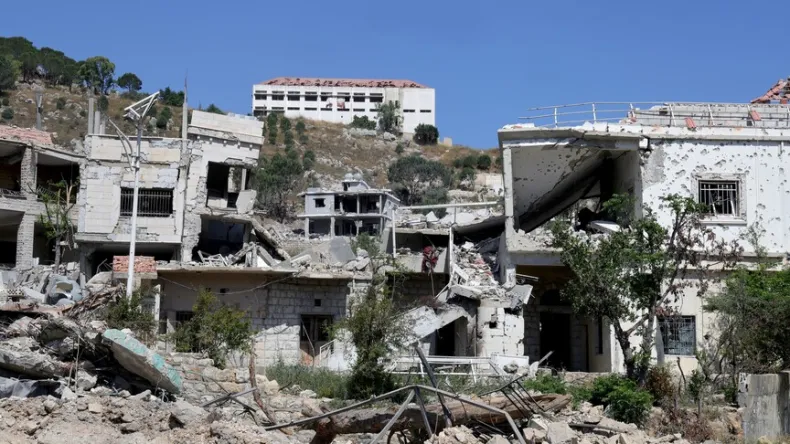
The discussions in Washington are taking place against a backdrop of significant regional instability and humanitarian concerns. Since March 2, 2026, military operations have resulted in 4,230 deaths and 12,179 injuries. These operations have also displaced more than one million people, creating a profound humanitarian crisis in the region. The human cost of the ongoing conflict shows the urgency of reaching a lasting agreement. The Lebanese government views a full Israeli withdrawal as essential not only for national sovereignty but also for the stability and security of its population. The international community continues to monitor these negotiations closely, recognizing their potential impact on regional peace and the welfare of millions affected by the protracted conflict.