The prospect of the 2026 World Cup match between Algeria and Austria in Kansas City is drawing comparisons to the controversial June 25, 1982, fixture in Gijon, Spain. European media have already labeled the upcoming encounter a "potential Kansas scandal," suggesting a repetition of past competitive circumstances more than four decades later. The historical context implies a scenario where roles and conditions may be transposed, echoing the earlier event's contentious nature. In the 2026 World Cup, specifically before the anticipated match between Algeria and Austria in Kansas City, the shadows of the famous night of June 25, 1982, in Gijon, Spain, loom large, setting a complex stage for the modern game.
Historical Parallel Unveiled
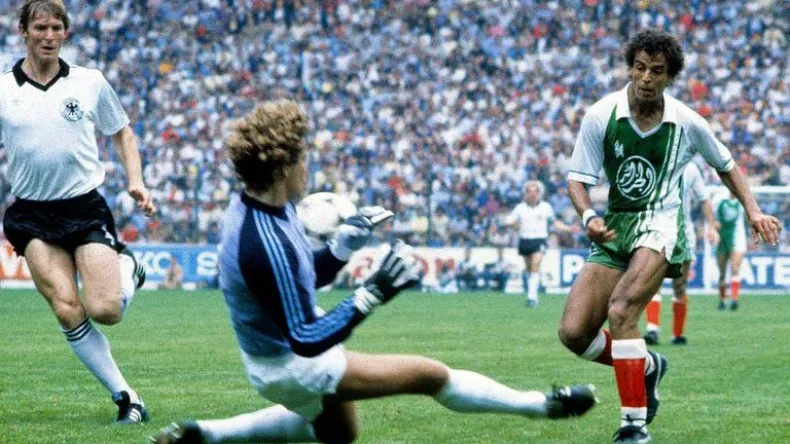
The match on June 25, 1982, became known internationally as the "Match of Shame." During this game, West Germany and Austria manipulated the pace of play, which led to a 1-0 victory for West Germany. This specific outcome was the only result that ensured both teams advanced to the next stage of the tournament, simultaneously eliminating the Algerian national team. That night witnessed what became internationally known as the "Match of Shame," when West Germany and Austria manipulated the pace of play, resulting in a 1-0 victory for Germany, the only result that guaranteed their mutual advancement and the elimination of the Algerian team. History, according to football observers, repeats itself in the sport. This repetition is not limited to achievements but also extends to tactical considerations and numerical calculations that can, at times, detract from the inherent beauty and integrity of the game itself. Today, more than four decades later, the competitive scene is repeating itself with a shift in roles and circumstances, under the preemptive label coined by European media as a "potential Kansas scandal." The upcoming Kansas City fixture draws these comparisons by suggesting a similar scenario could unfold.
Modern Scenarios and Stakes
A pragmatic calculation suggests that a draw at Arrowhead Stadium would grant Austria direct qualification as group runner-up. Algeria, in this scenario, would secure comfortable advancement with four points as one of the best third-placed teams. This benefit stems from the new World Cup system, which now includes 48 teams. This scenario benefits from the new World Cup system which includes 48 teams, providing more pathways to the knockout stages.
Austria and Algeria enter the final round of matches with three points each, trailing group leader Argentina. A simple pragmatic calculation suggests that a draw at Arrowhead Stadium would grant Austria direct qualification as group runner-up, while Algeria would secure comfortable advancement with four points as one of the best third-placed teams. A draw between Austria and Algeria would also lead to the direct elimination of other teams in different groups who finished their respective group stages with only three points. These teams would have needed Algeria to lose in order to qualify in their place as one of the best third-placed teams. A draw would also mean direct elimination for other teams in different groups who finished the group stage with only 3 points and would need Algeria to lose to qualify in their place, noting the high stakes involved for multiple nations.
Algerian Pride vs. Calculation
The hypothesis of "collusion" or bargaining is confronted this time by the wall of sporting pride and the historical legacy of the Algerian national team. For the "Desert Warriors," entering into such calculations with the same opponent who denied them historical glory in 1982 is historically and psychologically illogical. It is historically and psychologically illogical for the "Desert Warriors" to enter into such calculations with the same opponent who denied them historical glory in 1982, given the deep-seated resentment from the past. The Algerian side is strongly motivated by a desire for sporting retribution and aims to close this forty-year-old file with a clean football victory. This sentiment makes the idea of a mutually agreed-upon goalless draw unacceptable to players and fans. The desire for sporting retribution and closing this forty-year-old file with a clean football victory is a strong motivator for the Algerian side, making the idea of a mutually agreed-upon goalless draw unacceptable to players and fans who demand a definitive result. However, Algeria's uncalculated offensive push and opening up spaces in search of full revenge could potentially be exploited by the organized Austrian team, leading to Algeria's elimination from the tournament.
Navigating the 'Kansas Realism'
The concept of "Kansas realism" is emerging, not as a result of backroom negotiations, but as a practical approach dictated by the inherent risks of World Cup competition. The concept of "Kansas realism" emerges, not as bargaining in closed rooms, but as realism dictated by the risk in the World Cup, where every decision carries significant consequences. Expectations are for a match defined by extreme caution and strict realism, where Algeria aims to impose its style and secure advancement without risking elimination. Expectations point towards a match characterized by extreme caution and strict realism, where Algeria seeks to impose its style and secure advancement with its head held high, without taking risks that could cost them elimination. This calculated mentality from coaches could enforce a calm approach, ensuring the game's integrity and historical pride remain uncompromised. This proves that coaches' calculated mentality might impose calmness, but without compromising the integrity of the game or historical pride, ultimately aiming for a victory earned on the field.