The United States lifted its blockade on Iran on Thursday, June 18, 2026. This action immediately preceded Tehran's announcement of upcoming maritime fees for traffic passing through the Strait of Hormuz. The lifting of the blockade marks a significant shift in the relationship between the two nations following a period of heightened tensions that had seen economic restrictions severely impact Iran's global trade capabilities. The decision by Washington to remove these long-standing impediments has opened a new chapter, albeit one immediately fraught with fresh challenges and regional opposition.
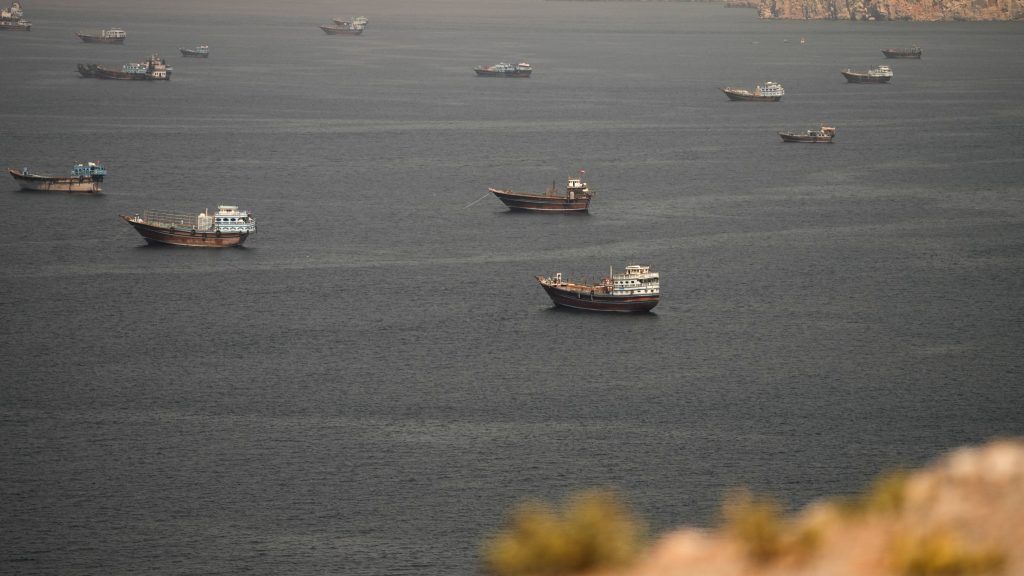
Following the US decision, Iran indicated its intention to implement new charges for vessels navigating the critical waterway. The Strait of Hormuz is a vital maritime chokepoint for global oil shipments, through which a substantial portion of the world's crude oil passes daily. Iran's decision to impose fees is expected to generate international discussion regarding transit rights and the economic implications for maritime trade traversing the Gulf region. This move by Tehran introduces a new layer of complexity to an already sensitive geopolitical landscape, potentially impacting energy markets and international shipping operations.
New Maritime Fees and Oil Flow
Following the signing of the memorandum of understanding between Iran and the United States, 12.5 million barrels of oil have already transited through the Strait of Hormuz, demonstrating the immediate impact of the lifting of US restrictions on Iranian oil exports. The newly proposed maritime fees, which Iran announced, could reach up to two million dollars per ship for passage through the strait. This substantial charge raises concerns among international shipping companies and nations reliant on the waterway for their energy supplies. Reports indicate that these fees would be shared with Oman, which borders the strategic waterway, suggesting a coordinated effort to manage and profit from traffic through the key chokepoint. The financial implications of such fees could be considerable for global trade, potentially increasing the cost of oil and other goods transported via the Gulf.
Despite the lifting of US restrictions on Iranian oil exports, the action is not expected to produce immediate wealth for Tehran. While the ability to export oil freely once again is a significant economic boon, the immediate financial windfall may be limited. Experts estimate that the lifting of these restrictions will only result in a modest increase in production in the short term, as Iran's oil infrastructure requires significant investment and upgrades after years of sanctions and under-maintenance. The long-term impact on global oil markets and Iran's economy remains a subject of ongoing analysis, with many factors, including the proposed maritime fees, influencing future projections. The global energy landscape will undoubtedly watch closely how Iran manages its renewed access to international markets and how these new fees are implemented and received.
In a related development, Benjamin Netanyahu indicated that Israel would continue to adhere to the supreme objective of preventing Tehran from acquiring nuclear weapons. Mr. Netanyahu stated that Israel would "«adhérer à l’objectif suprême»" regarding this policy, showing a consistent stance from Jerusalem concerning Iran's nuclear ambitions. He also affirmed Israel's intent to maintain security operations, declaring that his country "«maintiendrait la zone de sécurité dans le sud du Liban aussi longtemps que nos besoins sécuritaires l’exigeront»." These statements show continued regional security concerns amidst the shifting geopolitical landscape, noting the intricate web of alliances and rivalries that define the Middle East. The interplay between diplomatic agreements, economic incentives, and security imperatives continues to shape the region's future.
Diplomatic Maneuvers and Deal Details
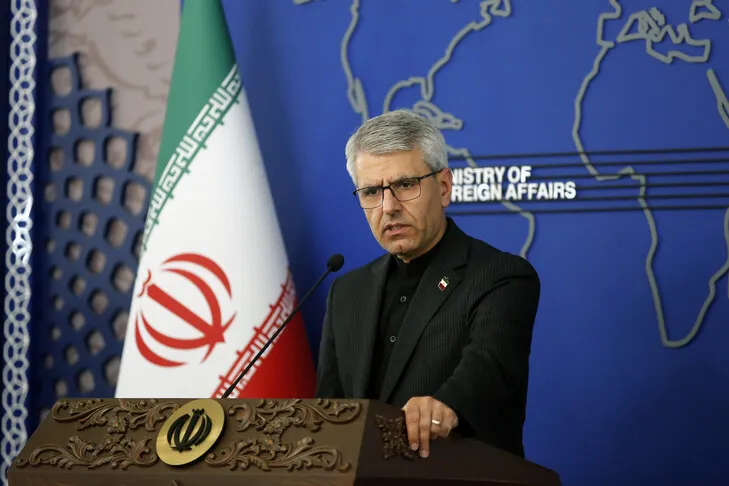
Iranian President Masoud Pezeshkian confirmed that Supreme Leader Mojtaba Khamenei played a direct role in the development of the memorandum of understanding between Iran and the United States. President Pezeshkian's statement noted the Supreme Leader's involvement in shaping the diplomatic framework, indicating the high-level commitment within Iran to the agreement. The memorandum, which outlines future engagements between the two nations, was a central point of discussion and negotiation. This involvement from the highest echelons of Iranian leadership suggests the strategic importance placed on this diplomatic breakthrough, aiming to redefine Iran's international standing and economic prospects.
The formal signing ceremony of the memorandum, initially scheduled for Friday, June 20, 2026, in Switzerland, was ultimately canceled. This cancellation followed the announcement of Iran's proposed Strait of Hormuz fee plan, raising questions about the immediate trajectory of the agreement and the willingness of all parties to proceed as planned. Despite the ceremony’s cancellation, diplomatic channels remained open for further discussions, suggesting that while a public signing was postponed, the underlying negotiations and framework for future engagement were not entirely abandoned. The decision to cancel the ceremony signals potential friction or a need for further clarification regarding the new maritime fees.
American and Iranian negotiators had planned to meet at the Bürgenstock mountain resort for technical talks. These discussions were intended to focus on the implementation of the fourteen-clause memorandum, a full document designed to address a range of issues between the two nations. The resort, overlooking Lake of the Four Cantons, was set to host the delegation as they aimed to formalize the agreement and iron out the specifics of its execution. The choice of a neutral and picturesque location like Bürgenstock often signifies the sensitive nature of such high-stakes diplomatic meetings.
The planned negotiations were designed to open a sixty-day window to settle the fate of Iran's nuclear program and the terms for lifting international sanctions. This timeframe was key for both sides to address long-standing issues and potentially pave the way for a more stable regional environment. The framework sought to establish clear protocols for future cooperation and compliance, providing a structured approach to resolving complex geopolitical challenges. The sixty-day period was intended to be an intensive phase of technical and political discussions, aiming to cement the foundations of a new understanding between the United States and Iran. The cancellation of the signing ceremony and the introduction of new fees now cast a shadow over the progress that could be made within this critical window.
Regional Opposition and Security Standoffs
The Saudi Minister of Foreign Affairs, Prince Faisal bin Farhan Al Saud, categorically rejected the Iranian project for maritime fees in the Strait of Hormuz. This strong opposition from a major regional power notes the deep concerns among Gulf states regarding Iran's proposed charges. The United Arab Emirates also voiced its opposition through Muath Alwari, director of political planning, further solidifying regional discontent with Tehran's plan. This united front from key Arab nations shows the potential for increased regional tensions and challenges to maritime freedom in the critical waterway. These states view the Strait of Hormuz as an international passage and fear that Iran's unilateral imposition of fees could set a dangerous precedent, impacting their economies and sovereignty.
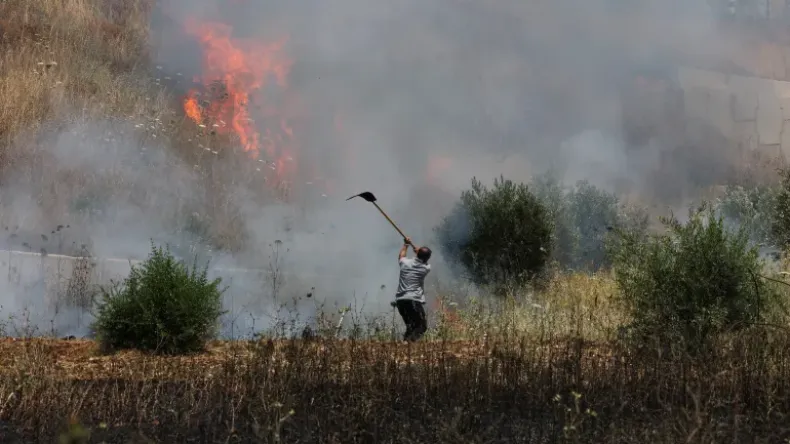
Amidst these regional developments, Israel reaffirmed its intention to keep its soldiers in southern Lebanon. Benjamin Netanyahu stated that Israel would "«maintiendrait la zone de sécurité dans le sud du Liban aussi longtemps que nos besoins sécuritaires l’exigeront»." The security zone occupied by Israel in southern Lebanon covers approximately 600 km², a significant area that Israel considers vital for its national security. Mr. Netanyahu had previously affirmed Israel's intent to "«adhérer à l’objectif suprême»" of preventing Tehran from acquiring nuclear weapons, reiterating a long-standing strategic priority for the Israeli government. The continuation of this security posture, despite broader diplomatic shifts, reflects the enduring complexities and deep-seated security concerns in the Levant.
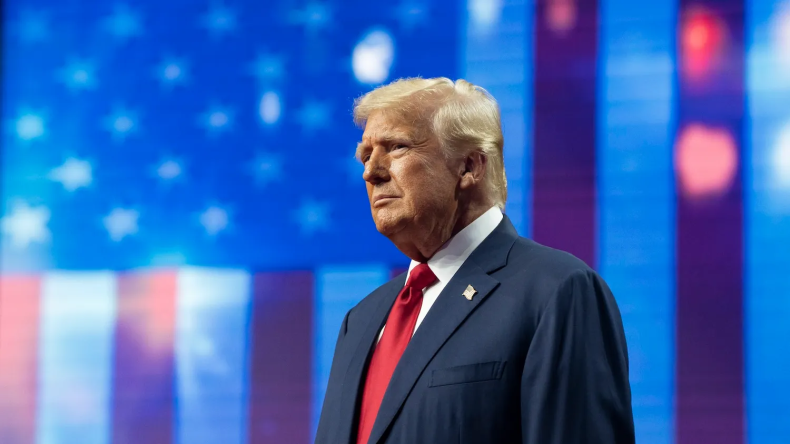
On Thursday, June 18, 2026, Donald Trump called for "«un cessez-le-feu complet sur tous les fronts, y compris le Liban, le Hezbollah et Israël»" in a statement posted on Truth Social. Mr. Trump also urged all parties to "«maintenir son engagement à laisser nos négociations se dérouler magnifiquement»." This intervention from a former US President adds another dimension to the ongoing regional discourse, calling for de-escalation while also emphasizing the importance of diplomatic processes. The call for a full ceasefire reflects concerns about the potential for wider conflict in the region, particularly given the volatile situation along the Israeli-Lebanese border. The various pronouncements from regional and international actors highlight the delicate balance of power and the urgent need for stability in the Middle East.