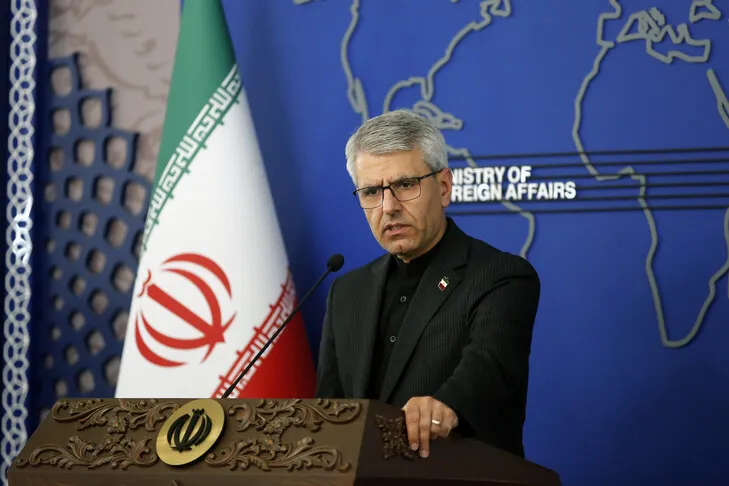
Iran announced on Thursday the official finalization of a 14-point memorandum of understanding with the United States, aimed at ending the conflict between the two nations. This significant development follows the signing of the text by the presidents of both countries, marking a key step towards de-escalation. Esmaïl Baghaei, spokesperson for the Iranian Ministry of Foreign Affairs, stated that the document, referred to as the "Islamabad memorandum," is now fully official after receiving signatures from Tehran and Washington. The Iranian government's announcement on Thursday confirmed that the 14-point memorandum of understanding, concluded with the United States to end the conflict, was officially finalized. An American official independently confirmed to Anadolu that the memorandum had been signed on Wednesday, affirming the agreement's completion.
Agreement Details and Timeline
Esmaïl Baghaei stated that the agreement would be digitally signed, a modern approach to formalizing such international accords. He further confirmed that upcoming negotiations, planned within the memorandum's framework, would focus exclusively on the critical issues of the nuclear program and the lifting of sanctions. These topics have long been central to the tensions between the two nations. The spokesperson for the Iranian Ministry of Foreign Affairs further specified that discussions between the two parties are scheduled to last for a period of up to 60 days. This timeframe allows for intensive diplomatic engagement on the complex subjects at hand. An extension remains a possibility if the complexity of the subjects under negotiation necessitates more time, providing flexibility for thorough resolution. Baghaei added that Iran's commitments concerning the Strait of Hormuz will become effective only after the full signing and implementation of the finalized memorandum, linking their application directly to the successful execution of the broader agreement.
Context and Initial Implementation
Esmaïl Baghaei, spokesperson for the Iranian Ministry of Foreign Affairs, affirmed that American commitments regarding the lifting of the naval blockade have begun to be applied. This development follows urgent discussions held after Israeli strikes against the southern suburbs of Beirut and subsequent threats of retaliation from Iran, showing the immediate impact of the agreement on regional stability. Baghaei added that Iranian ships had already been able to enter and leave ports "without problems," considering this a first tangible sign of the implementation of American commitments under the memorandum. This initial application of terms suggests a proactive approach to de-escalation even as the full agreement is being put into effect. The spokesperson showed that these American commitments regarding the naval blockade began to be applied following the urgent discussions that took place in the wake of the Israeli strikes and Iranian threats, noting the memorandum's role in addressing immediate security concerns. According to Baghaei, Iranian commitments relating to the Strait of Hormuz will come into effect after the signing and implementation of the memorandum, indicating a phased approach to the agreement's execution.
Signing Process and Confirmation
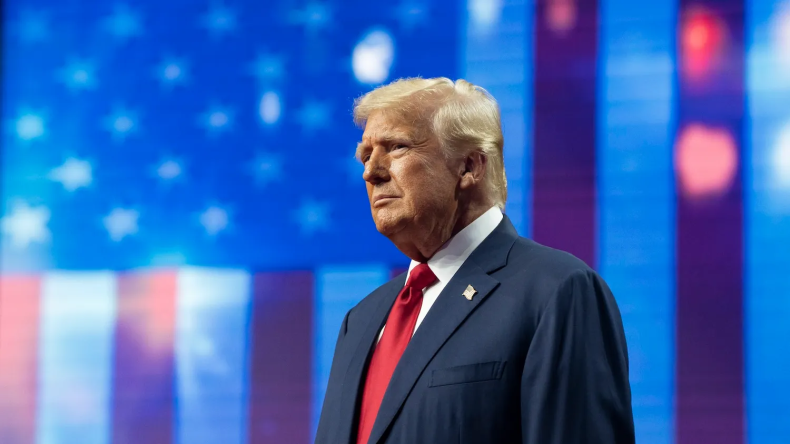
US President Donald Trump personally signed a copy of the agreement during a dinner with French President Emmanuel Macron at the historic Palace of Versailles, according to American media outlet Axios. The signing of the document occurred as part of the diplomatic process to formalize the 14-point memorandum, lending a high-profile endorsement to the accord. Axios further reported that a photograph of the signed document was subsequently transmitted to Iranian authorities. This transmission also included the countries that participated in the mediation efforts between Iran and the United States, providing confirmation of the agreement's endorsement and acknowledging the role of international facilitators. This method of confirmation ensured that all parties involved were apprised of the formalization of the landmark agreement.