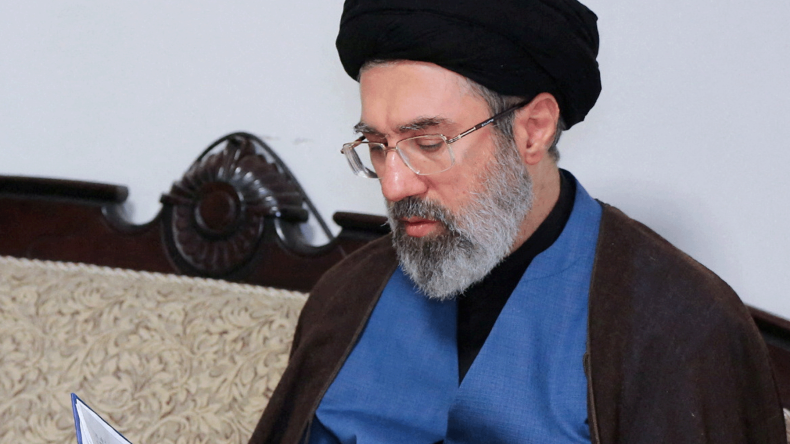
Iranian Leader Mujtaba Khamenei (مجتبى الخامنئي) confirmed his approval of a memorandum of understanding aimed at ending the war between Tehran (طهران) and Washington (واشنطن). The leader's confirmation was conveyed in a message sent on Thursday. This significant development marks a key moment in the diplomatic efforts between the two nations. A spokesperson stated that the agreement between Iran (إيران) and the United States (الولايات المتحدة) is expected to initiate the second phase of negotiations within 60 days. These upcoming discussions are intended to lead to a final agreement between the two countries, effectively concluding the protracted conflict.
Leader's Conditions for Peace
Iranian Leader Mujtaba Khamenei stated that he had previously held a different vision but approved the measure based on President Pezeshkian's commitment. Khamenei indicated he had adhered to another vision before agreeing to the agreement, showing the gravity of the decision. "In principle, I had another vision. But based on the commitment made by the President (Pezeshkian), regarding the preservation of the rights of the Iranian people and the resistance front, and taking explicit responsibility for it, I have approved this measure," Khamenei said. His approval hinges on the assurance that the rights and interests of the Iranian populace and the resistance front will be safeguarded throughout the negotiation process. He also indicated that the Supreme National Security Council, led by President Pezeshkian, would not tolerate excessive demands from the United States. Khamenei added, "As the members of the Supreme National Security Council (headed by Pezeshkian) stated, they will not accept any overreach from the American side in its demands." He further clarified that while they await the fulfillment of stated conditions, future direct negotiations do not imply acceptance of the opposing viewpoint. "We will await the fulfillment of the mentioned conditions, but it is self-evident that the direct negotiations that will be held in the future do not mean accepting the enemy's point of view," Khamenei stated, emphasizing a cautious approach to the upcoming talks.
Negotiation Framework Details
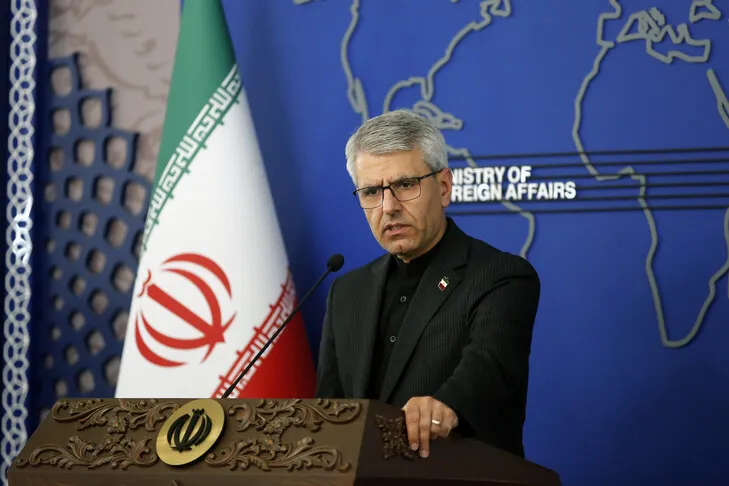
A spokesperson for the Iranian Ministry of Foreign Affairs confirmed earlier on Thursday that a memorandum of understanding (MOU) between the United States and Iran had been signed. The spokesperson revealed that the agreement, aimed at ending the war, was executed electronically. This electronic signing signifies a concrete step forward in the diplomatic efforts to resolve the ongoing conflict between Tehran and Washington. The spokesperson further stated that the memorandum of understanding between the two countries will pave the way for the second phase of negotiations within 60 days, aiming to reach a final agreement. This development follows previous statements regarding the initiation of a second phase of negotiations within 60 days, intended to lead to a final agreement between the two nations. The electronic signing marks a tangible commitment to pursue a diplomatic resolution. Further details on the specific terms of the MOU were not immediately disclosed by the Ministry of Foreign Affairs spokesperson, but expectations are high for the subsequent negotiation rounds.
Background and Future Outlook
The article detailing Iranian Leader Mujtaba Khamenei's approval of a memorandum of understanding to end the war with Washington was published on June 18, 2026. This development follows a period of intense diplomatic activity between Tehran and Washington, culminating in this initial agreement. The memorandum of understanding, concluded to stop the war between Tehran and Washington, represents a key breakthrough after prolonged tensions. The agreement marks a significant step towards de-escalation, with a second phase of negotiations expected to commence within 60 days. These upcoming discussions are intended to pave the way for a final resolution between the two nations, addressing the core issues that have fueled the conflict. The electronic signing of the initial memorandum shows a commitment from both sides to pursue a diplomatic path and achieve a lasting peace. Further details regarding the specific terms and conditions of the agreement are anticipated as negotiations progress, with the international community closely watching the developments.