Deputy Iranian Foreign Minister Kazem Gharibabadi announced Saturday that Iran is suspending its commitment to a memorandum of understanding signed to stop the war with the United States. Mr. Gharibabadi stated the decision came after the United States violated its obligations under the agreement. "The United States has violated all its commitments in the memorandum and suspended the implementation of all its provisions," he said. Consequently, Iran has also ceased its adherence to the accord. "Iran, in turn, has suspended its commitments in the memorandum and is no longer applying them," Mr. Gharibabadi confirmed. He added that the country is now prioritizing its defense in the face of ongoing regional tensions. "Iran is currently focusing on defending itself," Mr. Gharibabadi concluded.
US Violations Cited
Deputy Iranian Foreign Minister Kazem Gharibabadi stated that the United States has violated all its commitments in the memorandum and suspended the implementation of all its provisions. "The United States has violated all its commitments in the memorandum and suspended the implementation of all its provisions," Mr. Gharibabadi said. This declaration linked to a series of recent actions by the U.S. That have intensified the regional conflict.
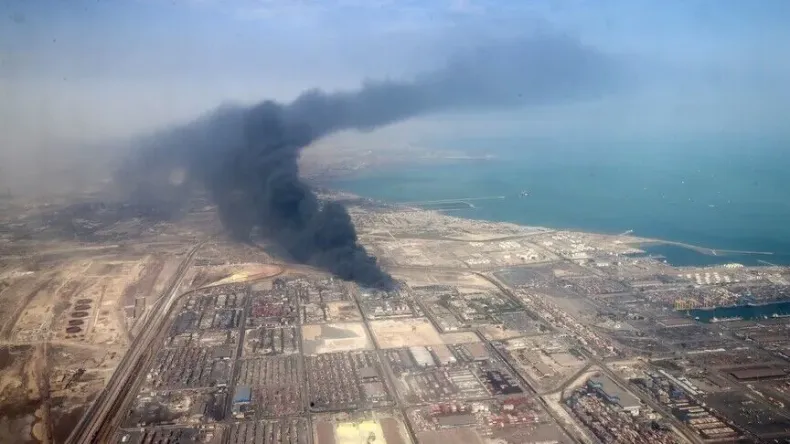
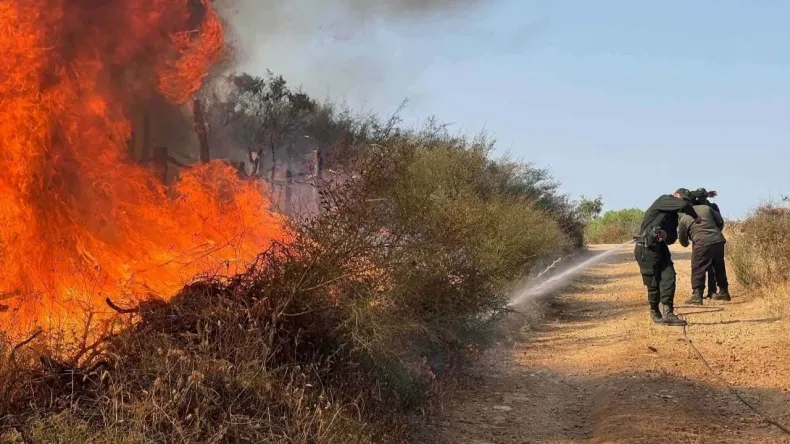
The United States has been launching successive waves of strikes on sites inside Iran for days, according to reports. These actions by U.S. Forces represent a significant escalation. U.S. Forces have resumed their strikes against Iran, contributing to the escalating regional conflict. This resumption of military action directly contradicts the spirit and terms of the recently established agreement between the two nations. The decision by the United States to resume these strikes is a key factor cited by Tehran in its own decision to suspend its commitments.
Iran's Defensive Stance
Deputy Iranian Foreign Minister Kazem Gharibabadi announced that Iran has suspended its commitments in the memorandum, stating, "Iran, in turn, has suspended its commitments in the memorandum and is no longer applying them." This suspension is a direct response to what Iran perceives as the United States' failure to uphold its end of the agreement. Mr. Gharibabadi further clarified Iran's current priorities, asserting, "Iran is currently focusing on defending itself." This defensive posture comes as Tehran has initiated attacks against what it identifies as American ships, facilities, and military bases located in various countries across the region. These actions by Tehran are part of its response to the ongoing regional conflict, which has seen a marked increase in hostilities from both sides. Tehran is launching attacks on what it says are American ships, facilities, and military bases in a number of countries in the region, signaling a broader engagement in the escalating tensions.
Background and Context
A memorandum of understanding was signed between Tehran and Washington on June 18th, aimed at halting military operations and initiating negotiations for a broader agreement. This significant diplomatic effort was intended to provide a pathway toward de-escalation. The accord sought to establish a framework for de-escalation and dialogue between the two nations, providing a temporary cessation of hostilities. This agreement, signed just weeks prior, represented a fragile attempt to reduce the military confrontation and open channels for more full discussions.
However, U.S. President Donald Trump announced on July 8th the termination of this interim agreement. This announcement came less than three weeks after the memorandum was signed, effectively dismantling the delicate understanding that had been put in place. President Trump's declaration effectively ended the understanding that had been in place for less than three weeks, indicating a shift in the United States' approach to the diplomatic efforts with Tehran. The termination of the agreement by President Trump is viewed by Iran as a direct violation of the commitments made, leading to Iran's subsequent decision to suspend its own adherence to the accord. This sequence of events shows the rapid deterioration of efforts to de-escalate tensions between the two countries.