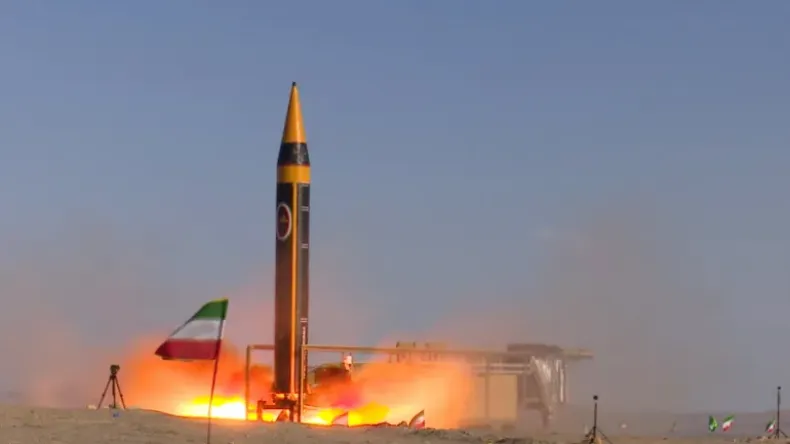
Iran launched several rockets toward occupied Palestinian territories on Sunday evening. The action was described as a response to the resumption of Zionist aggression on the southern suburb of Beirut. This event marks a significant escalation in regional tensions. The rockets were reportedly fired from Iranian territory, targeting areas within the occupied Palestinian territories. The timing, Sunday evening, and the stated motivation link the launch directly to recent military activities in Beirut. Initial reports indicate that the rocket launch was a direct retaliation for the recent aggression experienced in the southern suburb of Beirut. Further details regarding the precise number of rockets and impact locations remain under assessment, according to initial reports. The incident has drawn immediate international attention, noting the volatile security situation in the region.
Rocket Barrage Details
Siren alarms sounded across wide areas of the occupied territories, including the Golan, Tiberias, Safed, Afula, Nazareth, Karmiel, and south of Haifa. These alarms prompted residents to seek shelter, showing the immediate threat posed by the rocket barrage. The widespread activation of sirens indicated the broad geographical reach of the Iranian attack. The Iranian Revolutionary Guard later announced it had targeted the Israeli "Ramat" air base with ballistic missiles. This specific targeting of a military installation suggests a calculated response, aiming at strategic assets. Following the strike, the Iranian Revolutionary Guard issued a statement. "The future responses will be "wider in scope"," the Iranian Revolutionary Guard stated, signaling potential further escalation in the conflict. This declaration indicates Iran's readiness to expand its military actions if perceived aggressions continue.
Context and Previous Warnings
Iran had previously warned it would target occupied territories if what it termed "Zionist crimes" in the southern suburb of Beirut expanded. The Commander of the Iranian Khatam al-Anbiya military headquarters stated, "Iran had previously warned that it would target occupied territories, if Zionist crimes in the southern suburb of Beirut expanded." This warning followed significant displacement, with 200,000 people reportedly displaced from the southern suburb of Beirut due to recent aggression. The displacement of such a large number of civilians shows the humanitarian impact of the ongoing conflict in the region. The Iranian government views these displacements as a direct consequence of the "Zionist aggression" and a trigger for its retaliatory actions.
The commander also issued a direct threat concerning the situation in Lebanon. "Iran would launch 'destructive attacks' on the Zionist entity, if it did not stop its aggression on Lebanon," the Commander of the Iranian Khatam al-Anbiya military headquarters declared, signaling Iran's intention to escalate its response if the aggression continued. These statements showed Iran's position regarding the conflict and its readiness to act on previous warnings. The rhetoric from Iranian officials has consistently pointed to a firm stance against any perceived encroachment on Lebanese sovereignty or security.
Future Threats and Reactions
The Iranian Revolutionary Guard stated that future responses would be "wider in scope" following what it described as the occupation's violation of the ceasefire agreement on all fronts. "The future responses will be 'wider in scope'," the Iranian Revolutionary Guard announced, indicating a potential escalation of military actions. This statement serves as a clear warning of potential further retaliatory measures. Iranian Foreign Minister Seyed Abbas Araghchi subsequently posted an image on his "X" account, depicting his country's flag alongside the Lebanese flag. This social media post was interpreted as a symbolic gesture of solidarity and a signal of Iran's stance regarding the ongoing situation. The visual message conveyed through the flags reinforces Iran's commitment to supporting Lebanon amidst the regional tensions. The actions and statements show a heightened state of alert and potential for broader conflict, as all parties monitor the unfolding developments closely.