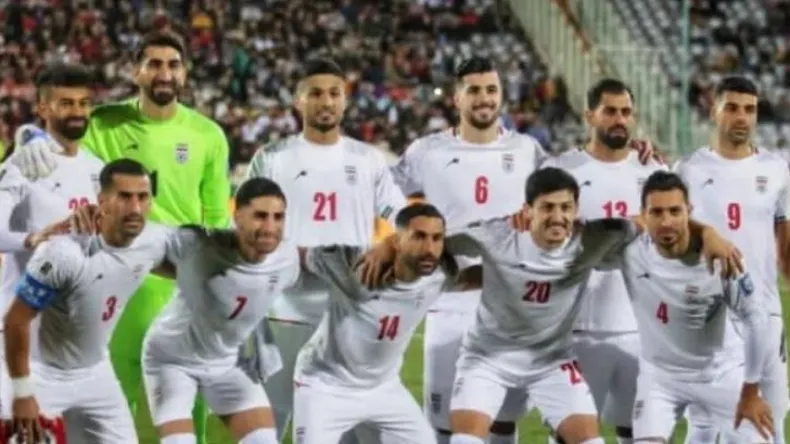
The Iranian national football team departed from Tehran for Antalya, Turkey, on the morning of May 18, 2026. The team is scheduled to play a final friendly match in Turkey as part of their preparations for the upcoming World Cup tournament. This departure marks a critical step in their rigorous training schedule. Following their fixture in Antalya, the squad will proceed to the United States to continue their intensive preparations for the global competition. This trip marks a key stage in their training regimen before competing on the international stage, aiming to fine-tune their performance and adaptability.
Squad and Friendly Schedule
The squad traveling to Turkey includes 22 players drawn from the local league, accompanied by the coaching staff. This selection shows the Iranian Football Federation's focus on domestic talent as they build towards the World Cup. Iran's football federation stated the team hopes to play two friendly matches during their stay in Antalya. These matches are intended to provide valuable game experience and allow the coaching staff to assess player readiness. A friendly match against Gambia has been confirmed for May 29, offering a key test ahead of the tournament. Following their activities in Turkey, the team's main training camp in the United States is scheduled to be held in Tucson, Arizona. These preparatory matches are part of the team's strategy ahead of their participation in Group G of the upcoming World Cup tournament, where they will face formidable international opponents.
Visa Application Challenges
While in Turkey, the Iranian national football team is scheduled to complete their visa applications for entry into the United States. This process occurs against a backdrop of severed diplomatic relations between Iran and the United States, which have been in place since 1980. The historical context of these diplomatic ties adds a layer of complexity to the logistical arrangements for the team's travel.
FIFA Secretary General Matthias Grafstrom met with officials from the Iranian Football Federation in Turkey on Saturday. The meeting likely addressed logistical arrangements, including the visa process, noting the international body's involvement in facilitating the team's participation. Mehdi Taj, President of the Iranian Football Federation, expressed concerns regarding the visa application procedure. He indicated a desire to avoid travel exceeding 450 kilometers between Antalya, where the team is based, and Ankara, the capital, for necessary visa fingerprinting. This concern reflects the team's wish to minimize travel fatigue and maximize training time during their key preparation period. The team's itinerary requires them to obtain U.S. Visas before proceeding to their main training camp in Tucson, Arizona, as part of their World Cup preparations. The successful acquisition of these visas is critical for their onward journey and the continuation of their training schedule.
Broader Context and Next Steps
The team's preparations are for the 2026 World Cup, which will be co-hosted by the United States, Mexico, and Canada. This multi-nation hosting arrangement underlines the global nature of the tournament. Iran is scheduled to begin its World Cup campaign against New Zealand in Los Angeles on June 15. This opening match will set the tone for their performance in the group stage. The Iranian squad will also face Belgium in Los Angeles and Egypt in Seattle during the group stage, presenting a challenging series of encounters against top international teams. These matches are part of the team's schedule following a period of forty days of fighting that commenced on February 28, the details of which were not specified. The team aims to finalize its preparations before the tournament begins, ensuring they are in optimal condition to compete on the world stage. Their journey to the World Cup involves not only athletic training but also navigating complex international logistics and diplomatic considerations.