Iran announced on Monday that it had responded to the latest United States proposal aimed at ending the ongoing conflict. This significant development comes as diplomatic efforts intensify to de-escalate tensions between the two nations. This development follows a statement from a Pakistani source, who indicated that Islamabad sent a modified Iranian proposal to Washington late Sunday night. The proposal, designed to bring an end to the war, shows the active role of Pakistan in mediating communications between Tehran and Washington. US President Donald Trump stated that Iran is eager to sign a ceasefire agreement with the United States. His comment came as diplomatic efforts continue to bridge differences between the two nations amidst heightened tensions in the region. The exchange of proposals signals ongoing negotiations concerning a potential de-escalation of the conflict, with both sides engaging through intermediaries.
Mediated Diplomacy Continues
Communication with Washington continues to be facilitated by the Pakistani mediator, according to a statement from Tehran. This ongoing diplomatic channel shows efforts to bridge differences between the two nations following Iran's latest response to a U.S. Proposal. The role of the Pakistani mediator has been key in maintaining a line of communication, allowing for the exchange of proposals and counter-proposals in a sensitive geopolitical environment.
Washington's conditions, conveyed through the same mediation, reportedly included demands for Iran to reduce its nuclear activity and transfer quantities of enriched uranium. These stipulations also linked the cessation of the conflict to the start of new negotiations, according to sources familiar with the discussions. The nature of these demands forms a significant part of the current diplomatic exchange between the parties, noting the complex issues at stake beyond just a ceasefire. These conditions reflect the United States' concerns regarding Iran's nuclear program and its broader regional activities, framing the negotiations within a full security framework.
US Stance and Warnings
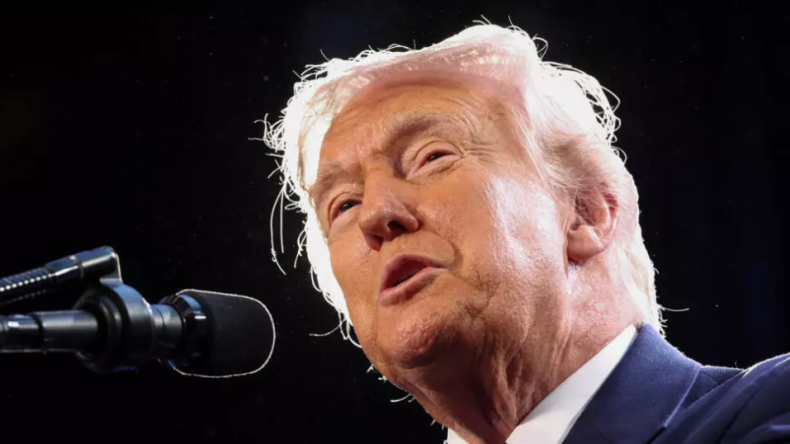
President Donald Trump issued a warning, stating that Iran could face a "harsher blow" if it fails to present a more favorable offer concerning its nuclear program. Mr. Trump did not elaborate on the nature of this potential "harsher blow" but his comments came as both nations continue to navigate complex diplomatic channels. The statement from the White House indicates a firm position from the United States regarding the ongoing negotiations, emphasizing the need for tangible concessions from Tehran. Iran's response to the recent US proposal is currently under review by Washington, with discussions focusing on the parameters of a potential de-escalation and future talks about the nuclear program. The US stance shows the pressure on Tehran to make concessions as the mediation efforts persist, suggesting that Washington is prepared to escalate if its demands are not met.
Iranian Position and Rhetoric
Iranian armed forces declared that any United States attack would be met with a "strong and surprising" response. This statement reflects Tehran's firm stance amidst ongoing diplomatic exchanges concerning a potential de-escalation of tensions. The declaration from Iran's military leadership shows the country's readiness to defend itself, even as negotiations continue through Pakistani mediation. This strong rhetoric serves as a deterrent, signaling that while Iran is open to dialogue, it will not be intimidated by threats. The rhetoric from the armed forces indicates that while diplomatic channels remain open, Iran is also signaling its resolve in the face of external pressures. This position forms a critical component of Iran's overall strategy as it responds to US proposals and navigates the complex geopolitical landscape, balancing diplomacy with a show of strength.