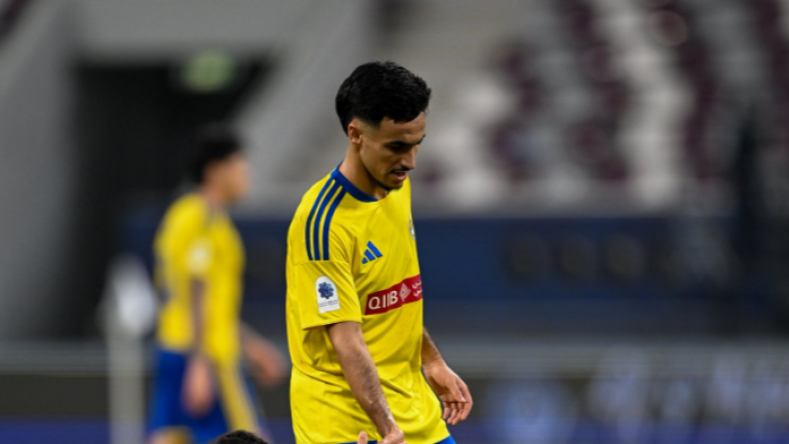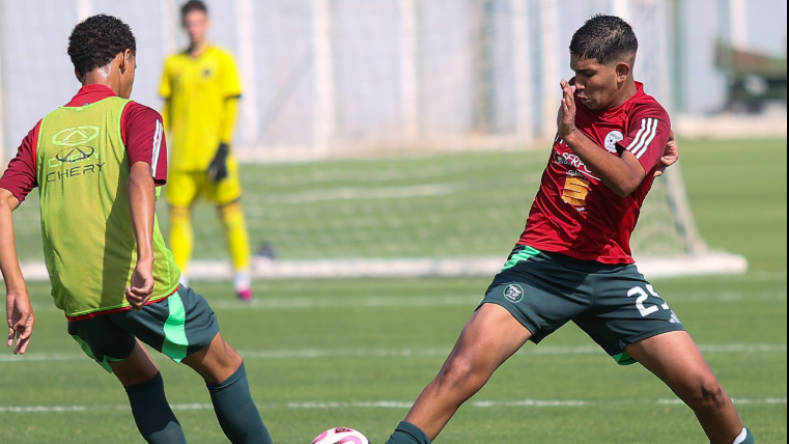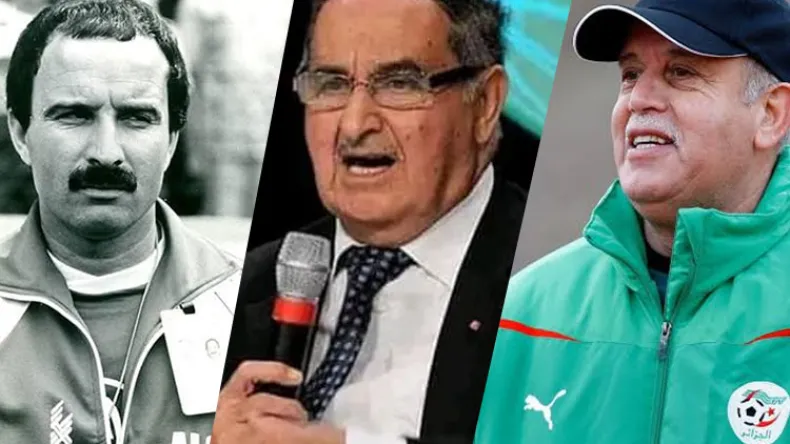
Ibrahim Hamdani has become the eleventh international player to take on the role of head coach for the Algerian national football team since the country gained independence. The appointment of Hamdani continues a trend of former national team members leading the squad, a practice deeply embedded in the history of Algerian football. This development was reported on September 12, 2026, marking a new chapter in the team's leadership. Hamdani's selection shows a long-standing tradition of entrusting the national team's helm to individuals who have previously represented the nation on the pitch, bringing their unique understanding of the team's culture and aspirations to the coaching role.
A Legacy of Player-Coaches
The list of former players who have subsequently coached the Algerian national team is extensive and distinguished. It includes prominent figures such as Said Amara, Rachid Makhloufi, Rabah Saâdane, Abdelhamid Kermali, Kamal Lemoui, Meziane Ighil, Rabah Madjer, Ali Fergani, Noureddine Jeddaoui, and Djamel Belmadi. This lineage connects to players who were prominent during the Algerian revolution, such as Maouch and Zouba, who made history for the FLN team, using football as a powerful symbol of national identity and resistance. These early pioneers set a precedent for national service that continues to resonate in the appointments of former players to coaching positions.
Said Amara, a notable figure in the French league during the 1950s, exemplified this commitment. His career saw him join the FLN team, a clandestine football team formed during the Algerian War of Independence, before he later coached the national team alongside Ibriir in the late 1960s. Amara's journey from a celebrated player in France to a key figure in Algerian football's formative years notes the deep connection between the sport and the nation's history. His dual role as a player during a key historical period and later as a national coach established a legacy of dedication and leadership.
The 1980s generation of Algerian footballers, a period often remembered for its vibrant talent and significant international presence, saw several of its stars transition into coaching roles for the national squad. Among them were Rabah Madjer, Ali Fergani, and Noureddine Jeddaoui. These players, who had brought glory to Algerian football during their playing careers, were later tasked with guiding the next generations. Rabah Madjer notably coached the national team on four separate occasions, demonstrating a recurring trust in his leadership and tactical acumen. He was also involved in Algeria's first Africa Cup of Nations title in 1990, a historic achievement that cemented his place in Algerian football folklore. His multiple tenures reflect the enduring respect for his contributions to the sport.
Ali Fergani also took the helm of the national team in the mid-1990s, including during the 1996 Africa Cup of Nations (CAN). His experience as a key midfielder translated into a coaching style focused on discipline and strategic play. Following the challenges of the 2002 Africa Cup of Nations, Meziane Ighil later coached the national team, working with a young squad. Ighil's appointment after the 2002 CAN debacle was seen as an effort to rebuild and inject new energy into the team, focusing on developing emerging talent.
The involvement of former players extends beyond the head coaching role to key assistant coaching positions as well, providing valuable continuity and institutional knowledge. Mustapha Dahleb, another revered figure in Algerian football, served as an assistant coach for the 2010 World Cup campaign, bringing his wealth of experience to the technical staff during a major international tournament. Similarly, Tawfik Korichi held an assistant coach role during Vahid Halilhodžić's tenure as head coach, contributing to the team's strategic development and performance during a significant period. These assistant roles further show the depth of former players' contributions to the national team's structure and success.
Coaching Milestones and Youthful Successes
Rachid Makhloufi, another legendary figure, coached the national team in the 1970s, achieving remarkable success. Under his guidance, the team secured the Mediterranean Games gold medal in 1975, a significant regional triumph. His coaching prowess was further noted when the team won the African Games gold medal in 1978. Makhloufi also played a key role in the formation of the talented squad that participated in the 1982 and 1986 FIFA World Cups, marking Algeria's entry onto the global football stage. He led the team to reach the 1980 Africa Cup of Nations final, demonstrating his ability to build competitive teams. Makhloufi managed the national team in his late thirties, showcasing an early start to a distinguished coaching career. His impact was not just in immediate results but in laying the groundwork for future successes.
Rabah Saâdane, a name synonymous with Algerian football, played for the national team in the late 1960s and early 1970s, making his senior team debut in 1971 at the age of 25. His playing career laid the foundation for an even more impactful coaching journey. Saâdane later coached the national team during its participations in the 1982, 1986, and 2010 World Cups, making him one of the most experienced coaches in Algeria's history at football's premier tournament. His leadership was also instrumental in guiding the U-20 team's journey in the 1979 World Cup, demonstrating his commitment to youth development. Notably, Saâdane qualified the national team for the 1986 World Cup when he was just 39 years old, a testament to his early coaching acumen and strategic vision. This achievement noted his capacity to deliver major results at a relatively young age for a national team coach.
Mokhtar Khalif was one of the youngest coaches to participate in the 1982 World Cup in Spain, further illustrating the trend of relatively young former players taking on significant coaching responsibilities. Mahmoud Guerni achieved continental glory by winning the African Cup in 1990 in Algeria, a historic moment for the nation as hosts. Kamal Lemoui took charge of the national team after the 1988 Africa Cup of Nations in Morocco. Lemoui's tenure, though marked by an unfortunate dismissal, showcased his tactical capabilities; he was dismissed after a draw against Egypt in the 1990 World Cup qualifiers, despite remaining undefeated in official matches under his leadership. This incident shows the high expectations and pressures faced by national team coaches. It is also notable that Said Amara and Rabah Saâdane both took charge of the national team before turning 40, noting a pattern of entrusting young, yet experienced, former players with the national team's direction. This approach often brings fresh perspectives and a deep understanding of the modern game.
Recent Eras and New Appointments
Rabah Madjer, after a glittering playing career, coached the national team in his mid-thirties, reflecting the trust placed in his experience and footballing intelligence even at a relatively young age for a head coach. However, his tenure was not without its challenges, as he was dismissed midway through the qualifiers for the Africa Cup of Nations (CAN) 1996. This demonstrates the demanding nature of the role and the constant scrutiny coaches face.
Djamel Belmadi later coached the national team, ushering in one of its most successful periods. He led them to a continental title victory in 2019, a triumph that captivated the nation and showcased the team's resurgence. Belmadi secured the African title in Egypt in 2019, overcoming strong national teams such as Nigeria, Ivory Coast, and Senegal during the tournament. His tactical prowess and ability to motivate his squad were key to this historic achievement, which ended a long wait for continental glory.
The generation of the 2000s was prominently represented in coaching by Djamel Belmadi, who was one of the youngest coaches to lead the national team. Belmadi was 43 years old when he coached the national team, reflecting the ongoing trend of appointing coaches who are still relatively close to their playing careers, bringing contemporary insights to the role. His success further solidified the belief in former players as effective leaders.
The newly appointed coach, Ibrahim Hamdani, is 48 years old, fitting within the age profile of many of his predecessors who took the reins in their late thirties or forties. Hamdani brings a solid coaching background to the senior squad, having contributed to winning the Mediterranean Games with the U-21 national team. This experience with youth development and success in a competitive international tournament adds to his coaching credentials before taking the helm of the senior squad. His appointment signifies a continued reliance on individuals who have a deep-seated understanding of Algerian football, both as players and as coaches, ensuring a blend of tradition and modern tactical approaches for the national team's future endeavors.