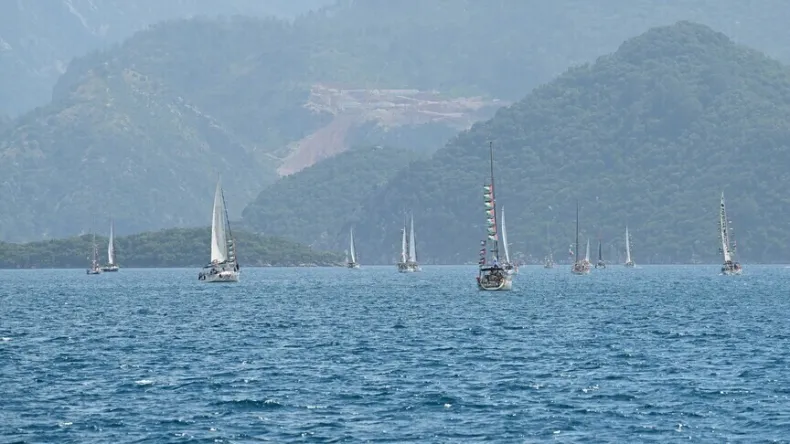
The international humanitarian flotilla "Flottille mondiale Sumud" demanded a "safe passage" for its mission to the Gaza Strip. The flotilla accused Israel of committing "illegal acts of piracy" to maintain what it described as a "genocidal siege" on Gaza, following an interception in the Mediterranean Sea. The group stated that Israeli forces attacked its first ship "in broad daylight" in international waters. Live broadcasts from the flotilla showed Israeli naval forces intervening against boats carrying activists from 40 countries. This intervention, which occurred in international waters, sparked immediate condemnation from the organizers. The flotilla's mission was explicitly aimed at delivering humanitarian aid directly to the besieged Palestinian territory, challenging a blockade that has been in place for years.
Interception and Accusations
The humanitarian flotilla accused Israel of conducting "illegal acts of piracy" in the Mediterranean Sea during its mission to the Gaza Strip. This accusation stems from the manner in which military vessels intercepted the flotilla, which was attempting to break the blockade on Gaza. Israeli warships surrounded civilians aboard the flotilla approximately 250 nautical miles from Gaza. The flotilla had stated its intention to deliver humanitarian aid directly to the besieged territory, which Israel has blockaded for years. The interception took place in international waters, according to the flotilla organizers, a detail they have repeatedly emphasized as critical to their claims of illegality. The group asserted that these were "new illegal interceptions on the high seas in international waters," showing their belief that the actions violated international maritime law. They noted that the attack on their first ship occurred "in broad daylight," further emphasizing the brazen nature of the interception.
Detention and Transfer
The Israeli newspaper Yedioth Ahronoth reported that the Israeli army arrested the activists on board the humanitarian flotilla. The interception occurred during the flotilla's mission to the Gaza Strip, which aimed to break the blockade on the territory. Following their arrest, the activists were transferred from the humanitarian vessels. They were moved to a navy vessel, which flotilla organizers described as a "floating prison," for transport to the port of Ashdod. This transfer, occurring after the initial interception in what the flotilla maintained were international waters, marked a significant escalation. The activists, hailing from 40 different countries, were reportedly held without immediate access to legal counsel or diplomatic representatives, according to the flotilla's statements. The journey to Ashdod on the navy vessel further solidified the "floating prison" description by the organizers, who viewed the entire process as a violation of their rights and the humanitarian nature of their mission.
Broader Context and Demands
The humanitarian flotilla described the actions as "new illegal interceptions on the high seas in international waters," reiterating their firm stance against the Israeli military's operations. The collective involved in the mission stated that "Nous demandons un passage sûr pour notre mission humanitaire légale et non violente," emphasizing their intent for a peaceful and lawful journey. They stressed that their objective was purely humanitarian, seeking to alleviate suffering in Gaza through direct aid delivery, and not to engage in confrontation. The group further asserted that the normalization of the occupation's violence represents a threat to everyone, arguing that such actions, if unchallenged, undermine international law and humanitarian principles globally. They called upon the international community to condemn Israel's actions and ensure the safe passage of future humanitarian missions to Gaza, noting the urgent need for aid in the besieged strip. The "Flottille mondiale Sumud" maintains that its mission remains key for drawing global attention to the humanitarian crisis in Gaza and challenging the legitimacy of the blockade.