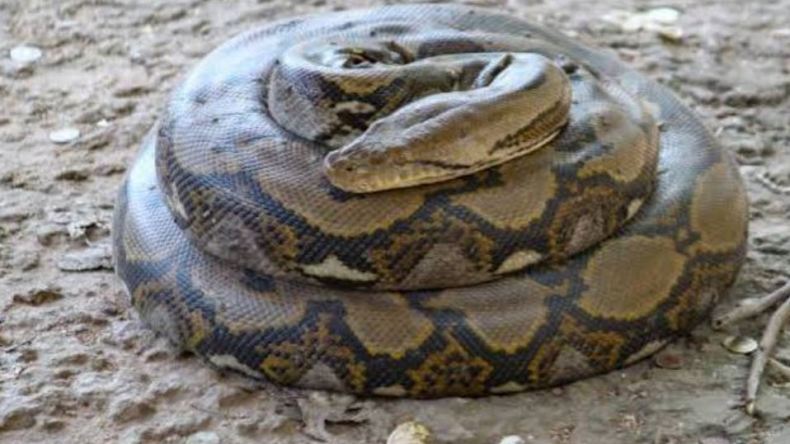
A new phenomenon involving the killing of harmless wild animals, particularly non-venomous snakes, is emerging and raising concerns across various communities. This concerning trend has been observed in diverse regions, with animals frequently targeted due to misidentification or unfounded fear, despite posing no inherent threat to human safety. This development shows a growing issue where human-wildlife interactions are increasingly resulting in unnecessary harm to local fauna. The deliberate targeting of species like non-venomous snakes is particularly problematic for local ecosystems, as these animals play key and often underappreciated roles in maintaining environmental balance. This behavior contributes significantly to broader challenges faced by wildlife conservation efforts globally. The practice of killing harmless wild animals, especially non-venomous snakes, is indeed causing widespread concern among environmentalists and local authorities alike.
Social Media's Dangerous Influence
The practice of targeting and killing certain animals, often fueled by widespread social media trends, directly contributes to environmental imbalance. A common misconception, frequently amplified and disseminated online, suggests that non-venomous snakes are inherently safe to handle. This dangerous belief can lead to ill-advised interactions and subsequent harm to the animals involved. These animals increasingly appear in residential areas during the warmer summer months, primarily due to thirst, as they are compelled to seek out water sources in human-populated environments. The combination of increased visibility of wildlife and misleading information circulating on popular social media platforms is driving a surge in harmful encounters. This trend poses a significant threat to local ecosystems, disrupting natural predator-prey dynamics and overall biodiversity. Some individuals are reportedly hunting and killing wild animals specifically to create content for social media platforms, including TikTok, exacerbating the problem.
Ecological and Health Risks
Encounters with wildlife expose individuals to various physical risks. Even non-venomous snakes, despite lacking venom, can still bite, leading to painful wounds and potential infections due to bacteria present in their mouths. Beyond the direct threat to humans, these interactions also pose significant threats to the animals involved. Handling wild animals, even with good intentions, can cause them acute stress, and may result in injury, exhaustion, or even death. This often goes unnoticed by those interacting with the animals, noting a critical gap in public understanding of wildlife welfare.
From an ecological perspective, non-venomous snakes play an important and often overlooked role in their ecosystems. They contribute significantly to environmental balance by preying on harmful rodents, which in turn helps control pest populations that could otherwise damage crops or spread disease. Disrupting these natural roles through human interference or direct harm can have cascading negative effects on local biodiversity and the overall health of the ecosystem. The removal of these natural predators can lead to an unchecked increase in rodent populations, creating further imbalances.
Misconceptions and Awareness Gaps
Despite ongoing and extensive awareness campaigns, a widespread misconception persists that all snakes are dangerous and should be eliminated on sight. This deeply ingrained belief often leads to unnecessary harm to non-venomous species, which are vital components of their natural habitats. True environmental awareness, according to experts and conservationists, is not demonstrated by individuals daring to touch or interact directly with wild animals in their natural settings. Instead, it is measured by people learning to leave wildlife undisturbed within its natural environment, allowing them to fulfill their ecological roles without human interference. This approach emphasizes observation and respect for natural habitats over direct intervention, promoting safer coexistence between humans and animals. Many people continue to believe that all snakes are dangerous, a perception that awareness campaigns strive to correct. This lack of understanding shows the urgent need for more effective public education on wildlife.
Expert and Public Commentary
Some individuals are reportedly hunting and killing wild animals to create content for social media platforms, including TikTok. This practice, driven by the pursuit of online engagement, contributes substantially to the overall rise in harmful wildlife encounters. The desire for viral content often overshadows ethical considerations and the welfare of the animals. Environmental awareness, as defined by experts, is not about daring to touch wild animals but about learning to leave them undisturbed in their natural environments, fostering a respectful coexistence. These misguided actions not only endanger individual animals but also undermine critical conservation efforts aimed at protecting biodiversity.