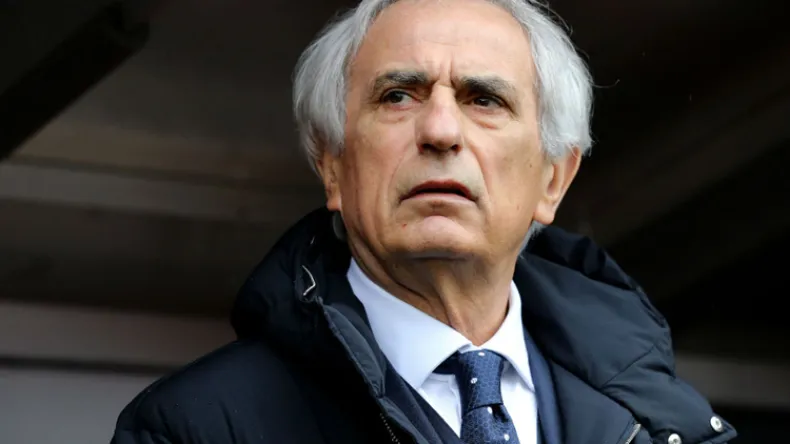
Algeria's opening match at the Brazil World Cup on June 17, 2014, resulted in a loss against Belgium, a FIFA top-five ranked team and title contender. The defeat, occurring 12 years ago, sparked anger among Algerians, who expressed dissatisfaction not only with the outcome but also with the team's poor performance and player selections. This particular match, which took place on June 17, 2014, marked a significant and disappointing start to Algeria's World Cup campaign. Blame for the loss was primarily directed at the Bosnian coach, Vahid Halilhodžić, rather than the players, who were reportedly in a state of low morale. The opening match defeat significantly reduced Algeria's qualification chances from the tournament's group stage and severely impacted team morale, casting a shadow over their aspirations in the prestigious international competition. The weight of expectation was high, given that Belgium was considered a formidable opponent, ranked among the top five by FIFA and widely regarded as a contender for the coveted title.
Tactical Decisions Under Scrutiny
Vahid Halilhodžić fielded a very conservative lineup for Algeria against Belgium, leading to observations that the team's players were focused on not losing rather than seeking victory. This cautious approach was a point of contention among fans and analysts alike, who believed a more offensive strategy might have yielded a different result. Halilhodžić surprised fans by starting Riyad Mahrez against Belgium, a decision that drew considerable attention. Mahrez, who played for Leicester City at the time, had one notable moment in the first half, sending a shot high over Courtois' goal, a fleeting glimpse of his potential impact. The tactical choices made by Halilhodžić were under intense scrutiny, particularly his perceived inability to adapt to the flow of the game as it progressed.
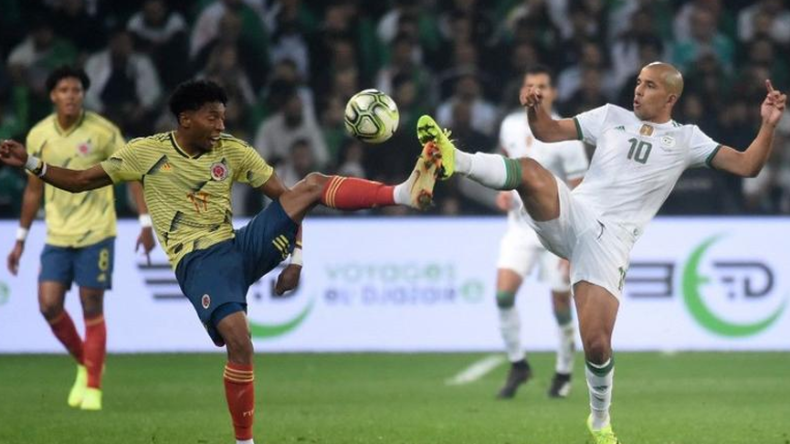
Algeria benefited from a penalty kick in the 25th minute of the first half, marking their only penalty in World Cup history. Sofiane Feghouli scored the penalty kick, converting it successfully and momentarily igniting hope among the Algerian faithful. Following his goal, Feghouli ran to the corner and prostrated in thanks to God, a gesture of profound gratitude, and was joined by Taïder, Ghoulam, and other teammates in a moment of shared celebration and devotion. Despite this early advantage, Taïder and his teammates struggled to contain Belgium's attacks in midfield, indicating the sustained pressure from the European side. However, Belgium did not approach M'Bolhi's goal much in the early stages, suggesting that while they controlled possession, clear-cut chances were initially scarce. In the second half, Halilhodžić showed an inability to counter Belgium's continued dominance and pressure, a critical factor that ultimately contributed to the team's downfall. His strategic decisions in the latter part of the match were widely criticized for not providing the necessary adjustments to stem the tide.
Belgium's Dominance and Goals
Marouane Fellaini scored a header in the 70th minute, leveling the match for Belgium and shifting the momentum decisively. The goal came as Algeria's goalkeeper, Raïs M'Bolhi, was slightly off his line, an error that proved costly for the North African side. This equalizer was a significant turning point, erasing Algeria's hard-earned lead. Just ten minutes later, Dries Mertens secured a decisive goal for Belgium in the 80th minute, further cementing their lead and effectively sealing the victory. Mertens' strike showcased Belgium's offensive prowess and their ability to capitalize on opportunities. Despite their eventual victory, the article noted that Belgium was not as strong as generally thought, suggesting a more challenging performance than anticipated against the Algerian side. This assessment indicated that while Belgium ultimately prevailed, their overall display did not fully align with their reputation as a top-ranked team and title contender, implying that Algeria had made them work harder than expected.
Fan Reaction and Coaching Shift
The match against Belgium was described as the worst performance by Algeria in their four World Cup participations, a stark assessment that showed the depth of disappointment among fans and commentators. Algerian fans, reacting to the team's display and the perceived tactical missteps, proposed new players for the subsequent match, vocally advocating for changes to the lineup. Coach Vahid Halilhodžić eventually conceded to these demands, later fielding players who had been criticized prior to the Belgium fixture in the match against South Korea. This shift in player selection noted the pressure Halilhodžić was under from the public and the media. The initial loss against Belgium was particularly painful because even a single point from that opening match would have been invaluable for Algeria's progression in the tournament, offering a key buffer in the competitive group stage. The impact of this defeat resonated deeply, influencing not only the team's immediate strategy but also the morale of the entire nation following their World Cup opener.