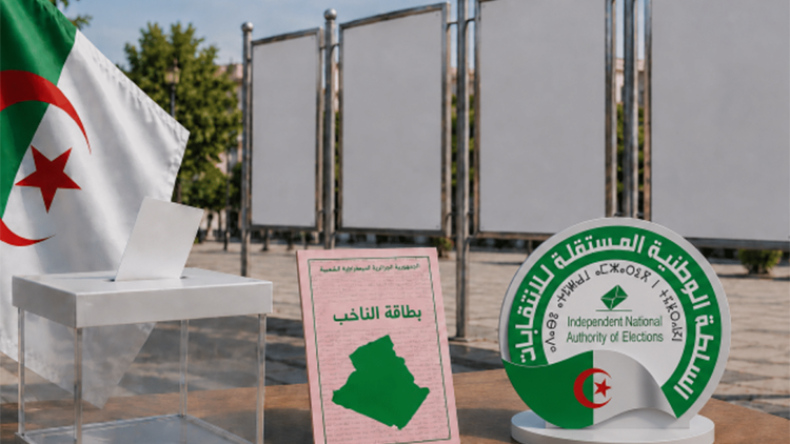
The election campaign for the legislative elections scheduled for July 2nd has been underway for approximately one week in الجزائر. However, political party leaders have largely dominated early campaign activities, with the presence of individual candidates remaining limited across the nation. This dynamic has characterized the initial phase of public engagement for the upcoming polls. The limited visibility of many candidates has prompted observers to focus on the strategies employed by the major political formations.
Leaders Mobilize in Strongholds
Top-tier party leaders, including heads of parties and Members of Parliament, have continued their tours across various wilayas. These leaders have effectively led the political mobilization on the ground, particularly within traditional electoral strongholds. Their prominent presence has been a defining feature of the campaign's inaugural week. During the first week of campaigning, figures such as Mounir Bouzen, head of the National Democratic Rally (التجمع الوطني الديمقراطي), Abdelali Hassani, head of the Society of Peace Movement (حركة مجتمع السلم), and Fateh Boutabbiq, head of the Future Front (جبهة المستقبل), led gatherings in multiple wilayas, actively engaging with voters. In contrast, Abdelkrim Ben Mebarek, Secretary-General of the National Liberation Front (جبهة التحرير الوطني), activated only two gatherings in some southern wilayas, indicating a more concentrated approach for his party during this period. Other parties, like the Socialist Forces Front (جبهة القوى الاشتراكية), concentrated their activity in the capital and nearby areas during this initial period, focusing their efforts geographically. This concentration of leadership activity shows the central role played by party figures in the early stages of the campaign.
Reasons for Candidate Lag
Party leaders have asserted their presence in electoral activities, with a noticeable absence of many candidates from the campaign front. Political formations attributed this situation to delays in finalizing some candidacy files. These delays reportedly affected the process of candidates formally joining the campaign trail, impacting their ability to start campaigning concurrently with their party leadership. Parties also cited issues with receiving final responses regarding appeals shortly before the campaign began as a contributing factor. The timing of these administrative processes meant that many individual candidates were not prepared to immediately engage in public campaigning alongside their party leadership, thus limiting their initial presence. This situation has necessitated a focus on party leaders to drive initial voter engagement and set the tone for their respective campaigns. The administrative hurdles faced by many candidates have effectively created a vacuum that party leaders have stepped in to fill.
Alternative Campaign Strategies
Some political formations have opted for alternative campaign strategies, prioritizing local outreach and direct engagement with citizens. Instead of organizing large public gatherings, these parties have concentrated on door-to-door interactions and smaller community meetings. This approach involves party members actively supervising local efforts within the wilayas, ensuring direct contact with potential voters and building relationships at a grassroots level. This strategy aims to build grassroots support by fostering personal connections rather than relying solely on the visibility of prominent party leaders. By decentralizing their efforts, these parties seek to ensure a more direct and personal connection with the electorate, which they believe can be more effective than large-scale rallies, especially when candidate visibility is still developing.
New Faces on the Ballot
A significant portion of candidates participating in the upcoming legislative elections reportedly lack prior electoral experience, with many entering the political arena for the first time. This influx of new contenders marks a notable shift in the composition of electoral lists, bringing fresh perspectives and energy to the political landscape. Concurrently, a large segment of youth has emerged among the candidates, indicating a generational change within the political landscape and a desire for new representation. This development suggests a push for new representation in the legislative body, reflecting a broader trend of younger generations seeking to contribute to national governance. The presence of these new and younger candidates, despite their initial limited visibility, points to a potential long-term transformation in the country's political representation.