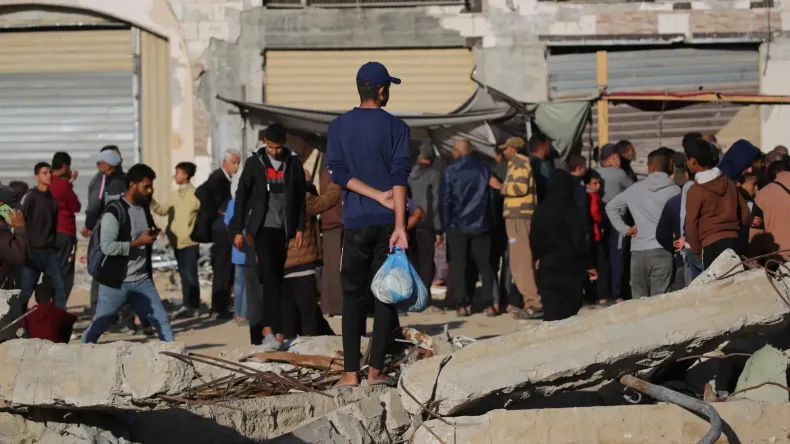
The Bakery Owners Association in the Gaza Strip issued a warning on Thursday, 22 October 2026, regarding the operational status of local bread production facilities. Officials from the organization stated that bakeries across the region may be forced to stop operating within 48 hours. The Bakery Owners Association in the Gaza Strip warned on Thursday, October 22, 2026, that bakeries may stop operating within 48 hours. This looming cessation of production threatens the primary source of nutrition for the local population, as bread remains a staple food item for families throughout the territory. The potential shutdown of these facilities is attributed to the current operational environment and the availability of resources required to maintain consistent production levels.
Widespread Aid Program Reductions
The World Food Programme announced on 19 October 2026 a reduction in the number of aid beneficiaries in Gaza. The organization decreased the recipient count from 1.6 million to 1.1 million people. The World Food Programme announced on October 19, 2026, a reduction in the number of aid beneficiaries in Gaza from 1.6 million to 1.1 million people. This adjustment represents a significant change in the scope of assistance provided to the population, limiting the reach of the agency's food security initiatives.
Daily hot meal production managed by the World Food Programme also dropped as part of these adjustments. The agency lowered the output from 250,000 to 150,000 meals per day. The World Food Programme reduced daily hot meal production from 250,000 to 150,000 meals. The reduction in the number of hot meals produced daily directly impacts the availability of prepared food for those who rely on the World Food Programme for their daily sustenance.
Food rations distributed to families have been halved by the World Food Programme. Each family now receives one food parcel instead of the two previously provided. The World Food Programme reduced food rations to half, providing one food parcel instead of two per family. These changes to the parcel distribution system indicate a shift in the logistics of aid delivery, specifically affecting the quantity of dry goods and essential food items delivered to households.
The cumulative effect of these reductions, combined with the potential closure of local bakeries, creates a challenging environment for food security in the region. The World Food Programme continues to manage the logistics of these distributions while the Bakery Owners Association in the Gaza Strip monitors the status of its member facilities. The 48-hour window noted by the Bakery Owners Association in the Gaza Strip shows the urgency of the situation regarding bread production. Meanwhile, the World Food Programme's decision to move from 1.6 million to 1.1 million beneficiaries and the halving of food parcels reflect the current constraints on the organization's ability to maintain previous levels of assistance. The reduction in hot meal production from 250,000 to 150,000 meals further limits the daily resources available to those in need.