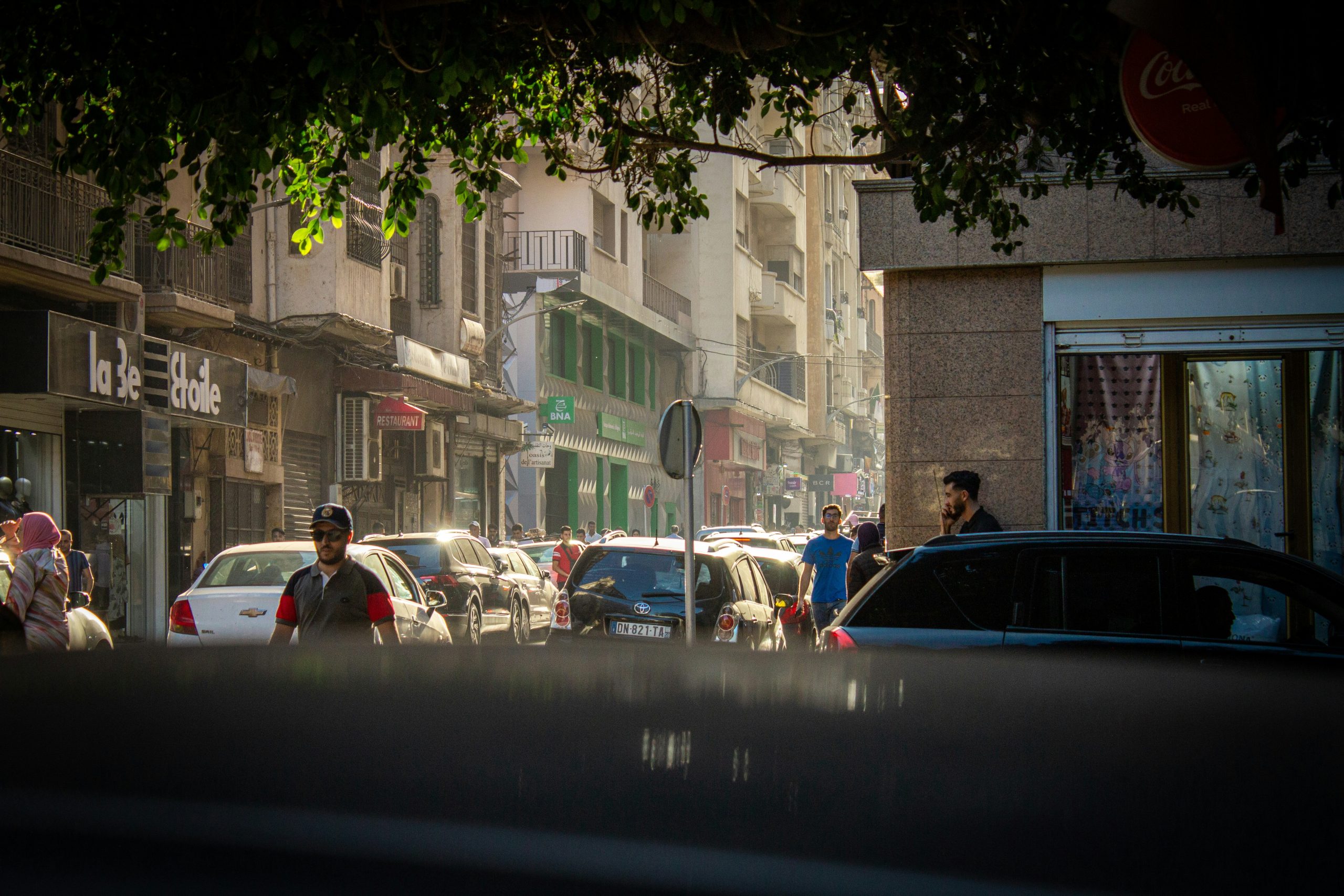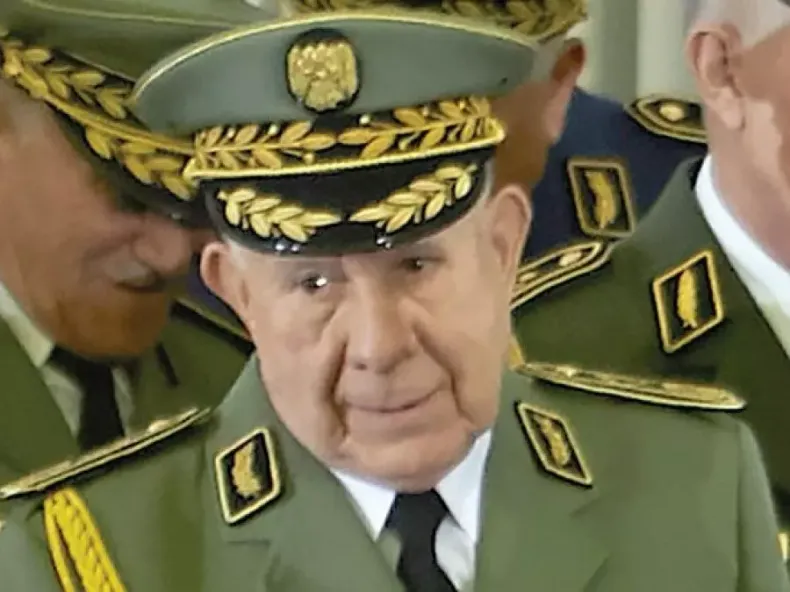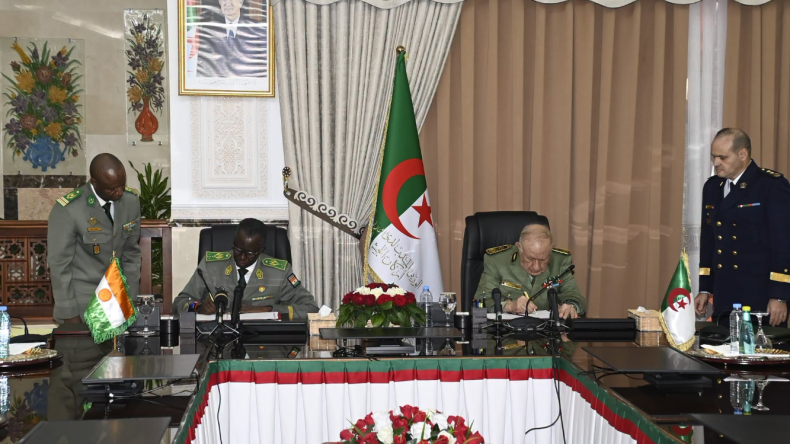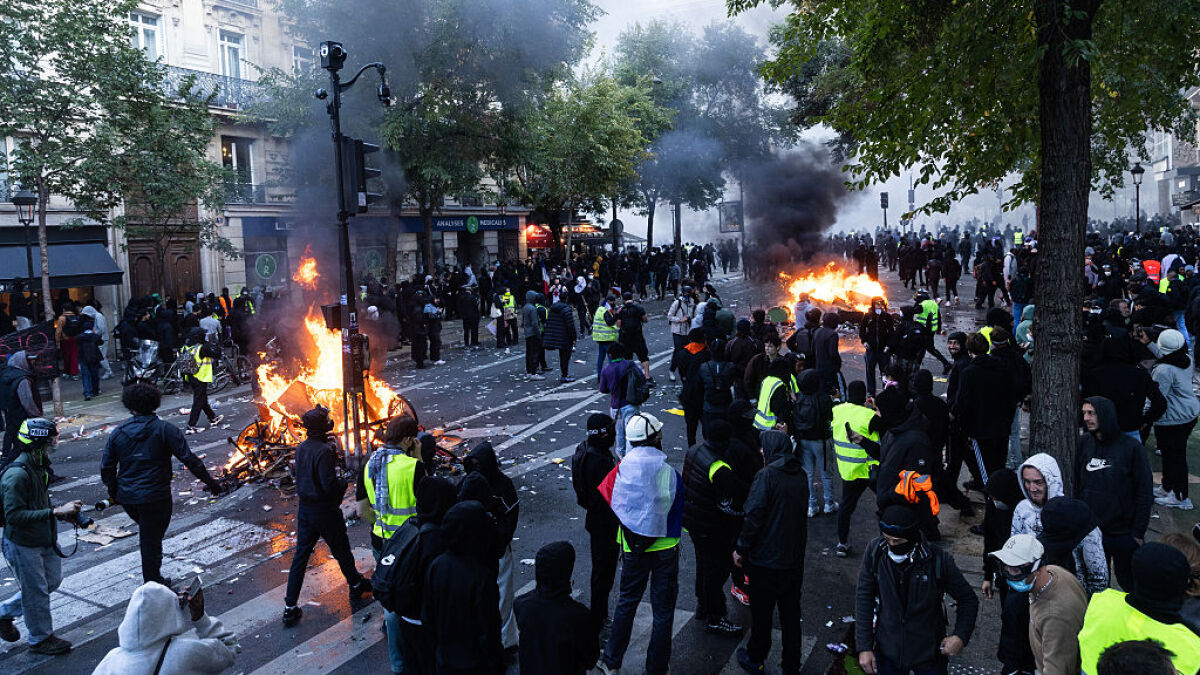
Brussels is investigating allegations of online interference and disinformation campaigns originating from Russia, Iran, and Algeria that may have fueled recent protests across France, Belgium, and Italy. Officials in Brussels are examining whether these non-EU states used digital platforms to amplify public unrest. Demonstrations concerning the cost of living occurred in France on 17 October 2026, marking a focal point for the inquiry into potential foreign influence. French President Emmanuel Macron addressed the reports of external involvement, stating, "there was no visible direct foreign interference" during the events. The investigation remains ongoing as authorities assess the scale of foreign activity linked to the protests. Officials continue to monitor digital activity to determine the extent of foreign influence on domestic civil stability.
Analysis of Social Media Activity
Alliance4Europe investigated the digital environment surrounding the demonstrations. The non-governmental organization analyzed 547,471 social media posts concerning the recent civil unrest. Researchers also examined 12,839 comments identified as being related to the protests. These digital footprints provide the basis for the current review of online discourse patterns. Officials in Brussels continue to rely on such data sets to determine if foreign actors intentionally amplified specific narratives on social media platforms. The findings from Alliance4Europe are now under formal consideration by European authorities as they map the flow of information during the 17 October events. This technical assessment serves as a primary reference point for investigators looking into the potential manipulation of public opinion through digital channels.
Russian Influence and Doppelgänger Network
The pro-Russian Doppelgänger network disseminated 639 coordinated messages across French, English, Polish, and German platforms between 2 September and 14 October 2026. These posts frequently utilized the phrase, "Every euro paid to Kyiv is a euro taken away from our prosperity." Investigators are currently evaluating whether this specific messaging contributed to the online climate surrounding the 17 October protests in France.
Iranian media outlets Press TV and IRNA also focused heavily on the French demonstrations during this period. These outlets devoted between 34 and 37 per cent of their total content to covering the unrest in France. The coverage prompted a diplomatic response from Tehran following earlier tensions.
In early October 2026, Iranian officials summoned the French ambassador to Iran, Pierre Cochard, to discuss the situation. During the diplomatic engagement, Esmaeil Baghaei, spokesperson for the Iranian Foreign Ministry, issued a statement regarding the actions of Western governments. He warned that certain policies "may bring the fire back to the homes of those who started it." European authorities are now incorporating these media metrics and diplomatic interactions into their broader inquiry regarding potential external influence on civil stability. The data from these state-affiliated outlets is being reviewed alongside the activity identified within the Doppelgänger network to determine if coordinated efforts occurred across multiple geopolitical actors.