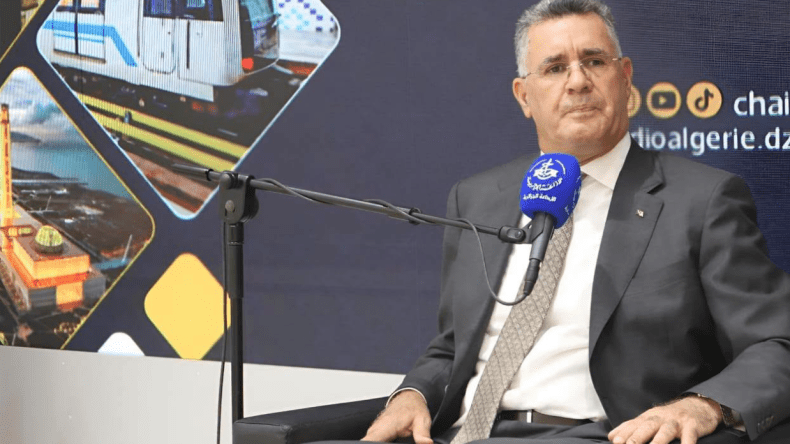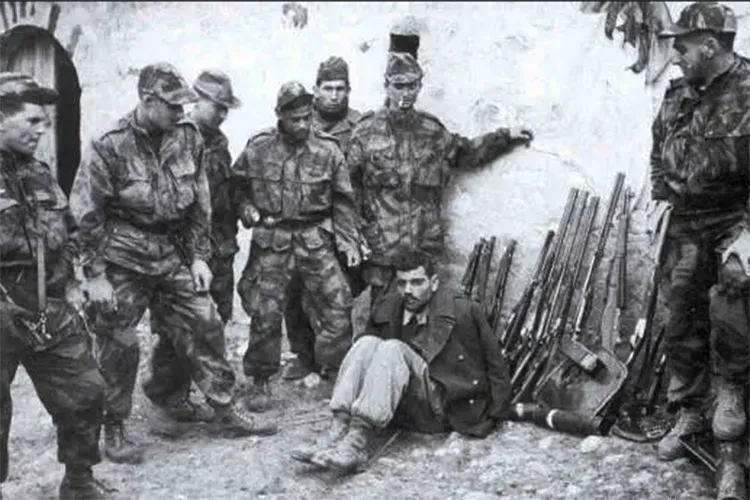
French historian Jean-Michel Abati called on France to revisit the truth of its colonial history in Algeria, particularly concerning massacres committed after the liberation of France in May 1945. Abati made his statements on Sunday, June 28, 2025, during an appearance with Julien Odoul on the French television channel LCI. This powerful appeal by Abati urged the French populace to confront the darker aspects of their nation's past, specifically regarding its prolonged presence in Algeria. "We in France know nothing about what we did in Algeria," Abati stated, describing events where French settlers and soldiers "burned people alive in Guelma, and a massacre occurred in Sétif and Kherrata in eastern Algeria." He added that perpetrators "burned thousands of Algerian bodies in hot ovens." Abati noted the symbolic weight of these events, noting that while the National Liberation Front killed about one hundred Europeans, "retaliatory actions caused the deaths of at least ten thousand Algerians. This is the approximate ratio." He further noted, "we do not have the exact numbers for Algerians. But we have the exact numbers for Europeans, which is exactly 171." Abati questioned if French denial persists today, stating, "French Algeria, dear to the identity of your party, is a crime against a people." Cyril Trébouillani also addressed Alix Revo, Minister of the Armed Forces and Veterans Affairs in Sébastien Lecornu’s government, regarding the history.
Historian Challenges Official Narrative
Historian Jean-Michel Abati confronted Member of Parliament Julien Odoul, the official spokesperson for the far-right National Rally party, during his appearance. Abati's remarks, made on LCI, noted historical events that challenge established narratives concerning France's colonial past. The article reporting on these discussions is dated June 29, 2026. Abati's statements show ongoing debates regarding the acknowledgment of historical atrocities committed during French rule in Algeria. During his direct address to Odoul on the set of the French television channel LCI, Abati made a clear call for France to revisit the truth of its colonial history in Algeria. This direct confrontation with a prominent figure from the far-right National Rally party brought the contentious issue of colonial memory into sharp focus on national television.
Among the specific incidents detailed by Abati, he referenced a massacre committed by the French occupation army on August 23, 1955, in Philippeville, which is now known as Skikda. During this event, individuals were shot with machine guns. This particular incident is frequently cited by those seeking a fuller accounting of the violence that occurred during the Algerian War of Independence. The massacre in Philippeville (now Skikda), where people were shot with machine guns by the French occupation army, serves as a stark reminder of the brutality that characterized the conflict. Discussions surrounding such events contribute to a broader re-evaluation of historical records and their impact on contemporary Franco-Algerian relations. Abati's insistence on confronting these uncomfortable truths aims to foster a more complete understanding of the historical ties between the two nations.
Echoes of Colonial Atrocities
A massacre occurred in Sétif and Kherrata in eastern Algeria in May 1945, according to historian Jean-Michel Abati. Abati stated that during these events, French settlers and soldiers "burned people alive in Guelma, and a massacre occurred in Sétif and Kherrata in eastern Algeria. They burned thousands of Algerian bodies in hot ovens." This statement notes specific atrocities committed during the colonial period. The burning of people alive in Guelma in May 1945 by French settlers and soldiers was a particularly horrific act, exemplifying the extreme violence deployed during this time. The events in Sétif and Kherrata, occurring in eastern Algeria in May 1945, are deeply etched in the collective memory of Algerians and represent a critical point of contention in historical reconciliation efforts.
The historian also noted that thousands of Algerian bodies were burned in hot ovens, a detail he cited during a discussion on French television channel LCI. These actions are part of a broader pattern of violence, with Abati asserting that France committed many heinous massacres over 132 years of colonialism. The scale of these atrocities, including the systematic burning of bodies, paints a grim picture of the methods used during the colonial occupation. In addition to the incidents in Guelma, Sétif, and Kherrata, records indicate that the French army and European settlers gathered between three and four thousand Algerians in the city’s stadium for three days. These events contribute to the historical narrative of widespread violence during the colonial era. The burning of people alive in Guelma in May 1945 by French settlers and soldiers shows the severity of the violence that characterized this period, marking a dark chapter in Franco-Algerian history. Abati's calls for truth aim to ensure these facts are not forgotten.
Political Ramifications and Memory
Last week, Member of Parliament Cyril Trébouillani accused French authorities of neglecting the memory file concerning France's colonial past. Mr. Trébouillani, a right-wing MP from Marine Le Pen’s party, specifically called on the authorities to “recognize the necessity” of addressing the events that occurred in Oran on July 5, 1962. This date, July 5, 1962, coincides with the day of Algeria’s declaration of independence, making the events of Oran on this day particularly poignant and historically significant. Trébouillani addressed Alix Revo, Minister of the Armed Forces and Veterans Affairs in Sébastien Lecornu’s government, urging her to acknowledge these critical historical moments. He called on her to “recognize the necessity” of confronting these events, emphasizing the political and moral imperative for official recognition.
According to observers, resolving the lingering memory file between France and Algeria requires France’s recognition of all the atrocities it committed in Algeria over 132 years of occupation. This full recognition is seen as a key step towards genuine reconciliation and the healing of historical wounds. Historical accounts indicate that during this period, the National Liberation Front was responsible for the deaths of about one hundred Europeans. In contrast, retaliatory actions by French forces and settlers caused the deaths of at least ten thousand Algerians. Specifically, records show that exactly 171 Europeans were killed during these events, noting the disproportionate nature of the violence cited in calls for historical recognition. The demand for France to acknowledge these widespread atrocities, spanning the entire 132 years of its colonial rule, forms the cornerstone of efforts to resolve the complex and often painful memory file between the two countries.