Algeria is set to receive 26 new wastewater treatment plants by the end of the current year, a measure announced by the Minister of Water Resources. These facilities are intended to bolster the nation's water treatment capabilities and increase water reuse, particularly in the agricultural sector, as part of efforts to conserve water resources. The Minister of Water Resources made the announcement regarding the receipt of these 26 new wastewater treatment plants, emphasizing their role in enhancing the country's water management strategy. The President of the Republic has also approved a supplementary program to improve the supply of potable water. This initiative includes 43 projects backed by a significant financial allocation of 5,000 billion centimes, showing the government's commitment to water security.
Expanding Water Infrastructure
Approximately 40 percent of the water consumed in Algeria today is desalinated water, reflecting the nation's increasing reliance on this method to meet demand. Efforts to bolster water supply have seen 16 northern provinces benefit from additional water quantities, demonstrating a targeted approach to regional needs. These initiatives are part of a broader strategy to enhance water availability across the country, ensuring that various regions receive adequate resources.
Further expansion of water infrastructure includes the upcoming delivery of 91 new water wells. These wells are part of a larger program that encompasses the construction of 400 water wells in total, aimed at diversifying and increasing access to water resources for communities throughout Algeria. The Minister of Water Resources, Lounas Bouzguza, has overseen these projects as Algeria continues to address its water security challenges, focusing on long-term sustainable solutions. The full nature of this well-drilling program notes strategic investments in groundwater resources.
Ensuring Supply Continuity
Remote connection systems have been implemented in several inland provinces across Algeria. These systems aim to diversify water supply sources and ensure the continuity of supply to these regions, reducing reliance on single sources and enhancing resilience. The adoption of these remote connection systems is a proactive step to mitigate supply disruptions and improve service delivery in areas that historically faced challenges. In a related development, Algeria is set to receive 100 new water tanks. These tanks are intended to enhance the country's water storage capacity and improve the provision of potable water, especially during periods of high demand or maintenance operations. The additional storage capacity provided by these tanks will play a key role in stabilizing water distribution networks and ensuring consistent access for residents.
National Water Security Efforts
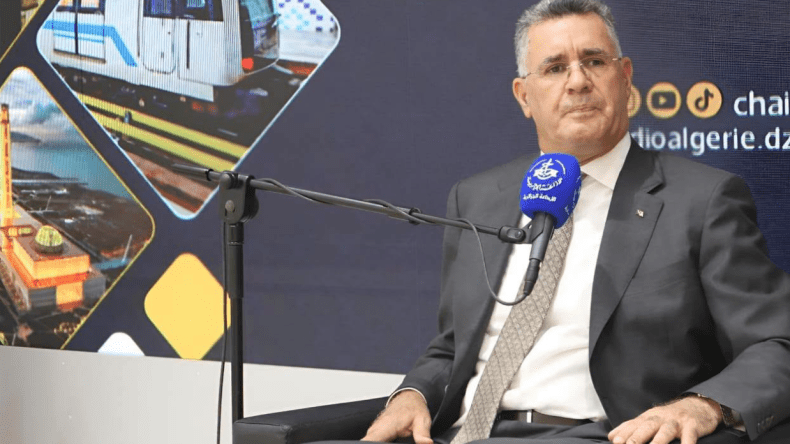
Algeria is experiencing a comfortable water situation, according to Minister of Water Resources Lounas Bouzguza. He stated: "Algeria is experiencing a comfortable water situation due to the gradual stability in drinking water distribution programs across the country's various provinces, noting that 40 percent of the water consumed today is desalinated water." To ensure supply during the summer season, water quotas for various provinces have been increased from both dams and seawater desalination plants, a critical measure to meet elevated demand during warmer months. Southern provinces have particularly benefited from major strategic projects designed to enhance their water security. These initiatives include the construction of new desalination plants, significant water transfer projects to move resources to where they are most needed, and extensive deep well drilling operations to secure additional groundwater resources. Such measures contribute to the overall stability of drinking water distribution programs nationwide, reinforcing Algeria's commitment to full water management.