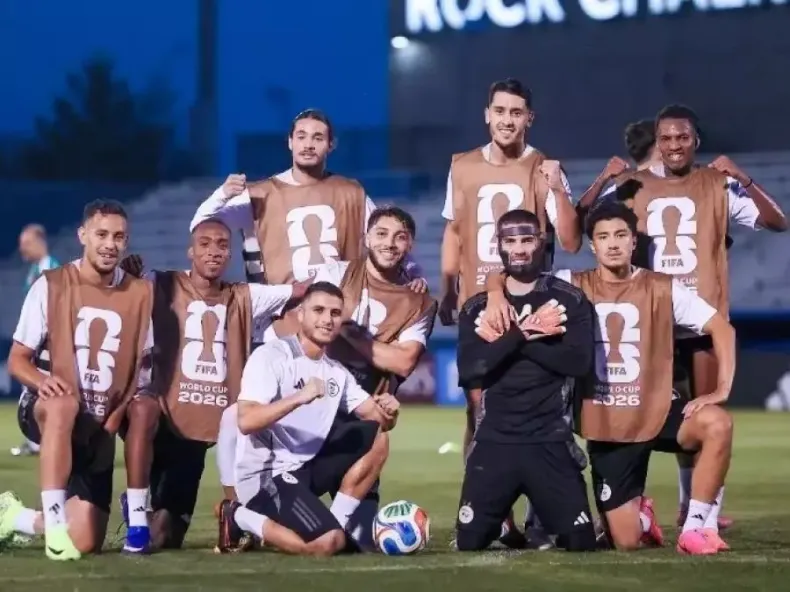
French far-right Member of Parliament Julien Odoul has called for preemptive measures against anticipated fan celebrations ahead of the 2026 World Cup. Mr. Odoul argues that the French far-right is seeking to "poison the atmosphere" on the eve of the national football team’s match against its Argentine counterpart in Kansas City, USA. This assertion frames his broader concerns regarding public order during major sporting events. Mr. Odoul expressed significant apprehension about the ability of local services to manage potential celebrations by Algerian fans in French streets, warning of his services' perceived inability to confront such large-scale gatherings. His current query to authorities specifically addresses the issue of celebrations involving fans from Algeria, Morocco, and France, noting a particular focus on these communities. The 2026 World Cup is scheduled to commence ten days after June 16, 2026, creating an immediate context for these demands.
Odoul's Allegations and Demands
Julien Odoul, a deputy and official spokesperson for the “National Rally” party, formally addressed a question to Minister of Interior Laurent Nuñez regarding anticipated fan celebrations. Odoul's query focused on concerns over public order during potential gatherings, particularly those that he claims lead to disturbances. The far-right MP has frequently criticized the handling of such events, particularly those involving fans of non-French national teams, alleging that they often escalate into disorder. His recent address to the Interior Minister shows his party's ongoing focus on security and perceived public disorder, pushing for a more strong governmental response.
Odoul specifically claimed that celebrations by Algerian fans consistently result in violence, asserting that Algerian fan celebrations "always end in violence." This strong claim forms a central pillar of his argument for preemptive action. He articulated his concerns, stating, "the state’s clear inability to guarantee the safety of law enforcement officers during public gatherings, the transformation of every major sporting event into a platform for deliberate violence against the Republic, and the absence of a serious operational response ten days before the start of the 2026 World Cup." This statement notes his belief that current governmental strategies are insufficient to manage large-scale public celebrations and potential unrest, particularly given the proximity of the upcoming global tournament. Odoul’s parliamentary intervention signals a demand for immediate and decisive action from the government.
Historical Context and Precedents
Julien Odoul previously addressed an identical query to the French Minister of Interior on December 16th, on the eve of the Africa Cup of Nations football tournament, demonstrating a consistent pattern of concern regarding these events. In his December question, Mr. Odoul specifically claimed that Algerian team’s fans "cause chaos in France after their matches, especially if they win." He further asserted, "There is no other African team, such as Senegal, Cameroon, or Mali, for example, that causes such excesses, violence, and provocations against the republican order." This earlier question from the far-right MP remained unanswered for more than six months, a point of contention for Odoul and his party, suggesting a perceived lack of governmental engagement with these issues. The lack of response over such an extended period shows the political tensions surrounding the management of fan celebrations.
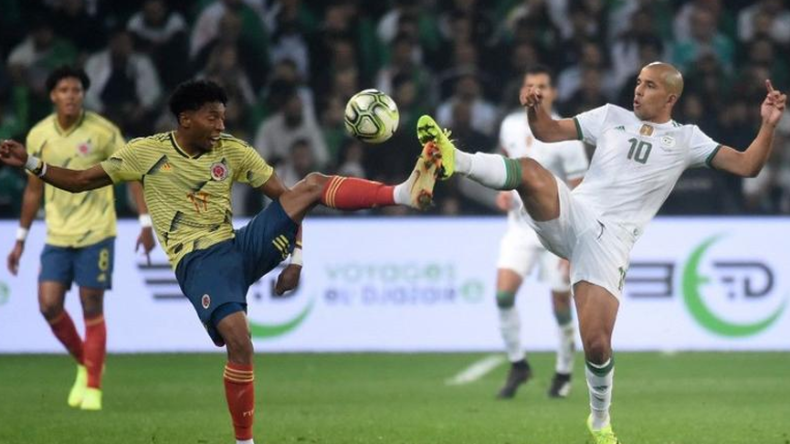
The article references the 2019 Africa Cup of Nations win by Algeria as a notable precedent for such concerns. During that event, tens of thousands of Algerian community members celebrated in France following their team's victory. The sheer scale of these celebrations prompted significant political discussion and public debate across the country. In 2019, various politicians made demands concerning the festivities, specifically calling for a ban on raising Algerian flags and preventing Algerian fans from reaching the Champs-Élysées, a symbolic location in the heart of Paris. These historical instances highlight past tensions and the recurring nature of concerns regarding public order during large-scale fan celebrations in France, particularly when they involve specific national teams. The events of 2019 are frequently cited by those advocating for stricter controls.
Government Response and Public Order Concerns
Julien Odoul, a Member of Parliament, questioned the government's preparedness, stating, "the state’s clear inability to guarantee the safety of law enforcement officers during public gatherings, the transformation of every major sporting event into a platform for deliberate violence against the Republic, and the absence of a serious operational response ten days before the start of the 2026 World Cup." His remarks highlight profound concerns over public order management and the safety of law enforcement personnel. Odoul’s query to the Minister of Interior Laurent Nuñez specifically sought details on "concrete and proactive measures" planned to address potential unrest during the World Cup, emphasizing the need for preventative strategies rather than reactive responses.
The far-right MP further inquired about specific plans for matches involving Algeria, claiming that the country's participation in international competitions consistently leads to "more numerous and violent disturbances than the previous one." This suggests a perceived escalation in public order incidents following such events, reinforcing his call for heightened vigilance and intervention. The publication date of June 16, 2026, places these demands precisely ten days before the 2026 World Cup is set to begin, adding urgency to Odoul's parliamentary question. His focus on preemptive security measures shows ongoing political pressure on the government to manage fan celebrations effectively, particularly those involving specific national teams, and to ensure public safety and order across French cities during the upcoming global sporting spectacle. The "National Rally" continues to use these incidents to push for stricter immigration and public order policies.