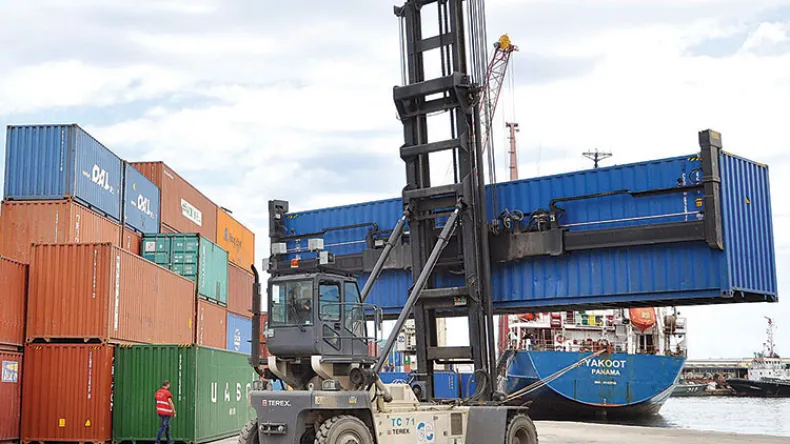
Algeria has officially ratified amendments to the Euro-Mediterranean agreement on preferential rules of origin, a move formalized by a presidential decree published in the Official Gazette on June 10, 2026. Presidential Decree No. 26-226, dated June 8, 2026, serves to formalize the significant changes previously adopted by member states in Brussels on December 7, 2023. The publication of this decree in issue 42 of the Official Gazette marks a key step in Algeria's commitment to modernizing its trade framework. These amendments are specifically designed to update the conditions for benefiting from customs privileges, ensuring they adapt to the evolving landscape of international trade and modern production chains, with the overarching goal of facilitating and boosting Algerian exports within the Euro-Mediterranean region.
Modernizing Trade Privileges
Key changes embedded within the recently ratified amendments are set to significantly impact how products qualify for preferential treatment. These include expanding the possibility of counting imported components and materials from partner countries when determining a final product's origin. This particular adjustment aims to offer greater flexibility to manufacturers. The amendments also raise the flexibility margin for industrial enterprises, allowing them to incorporate a higher proportion of foreign inputs into their production processes without forfeiting valuable customs privileges. This increased margin is expected to enhance the competitiveness of Algerian industries.
Specific provisions within the amendments are designed to provide more practical benefits, such as raising the tolerance margin for non-originating materials that are used in certain manufacturing processes. This means that a product can still be considered originating even if it contains a slightly higher percentage of materials from outside the Euro-Mediterranean zone, provided it meets other criteria. The amendments simplify the conversion and manufacturing rules that are required for products to acquire originating status, making the compliance process less burdensome for businesses. These full adjustments are designed to streamline trade operations, reduce administrative complexities, and ultimately enhance the competitiveness of Algerian exports within the Euro-Mediterranean framework.
Simplifying Export Procedures
A core objective of these amendments is to simplify procedures for proving origin, shifting towards more digital and less complex mechanisms for exporters. This fundamental change is expected to significantly streamline the documentation process for Algerian businesses engaged in Euro-Mediterranean trade, reducing both time and costs associated with compliance. The adoption of digital solutions aims to create a more efficient and user-friendly system for proving the origin of goods.
Further provisions within the amendments introduce new measures for administrative cooperation and information exchange between the customs administrations of member states. These measures are designed to enhance collaboration and transparency, reinforcing the integrity and efficiency of the origin verification process across the region. The aim is to create a more transparent and responsive system for trade between Algeria and its Euro-Mediterranean partners, ensuring smoother customs clearance and reducing potential disputes.
Background and Context
The Euro-Mediterranean agreement, which outlines preferential rules of origin, was originally signed in Brussels on October 15, 2012. This foundational accord established the framework for trade relations and customs privileges between Algeria and its Euro-Mediterranean partners, fostering economic cooperation. The agreement has since undergone revisions to adapt to evolving international trade practices and production methodologies, reflecting the dynamic nature of global commerce. A significant amendment to the agreement was formalized in Brussels on December 7, 2023, following extensive discussions among member states.
These amendments aim to modernize the criteria for products to qualify for preferential treatment, ensuring that the rules remain relevant and effective in a dynamic global economic environment. The revisions also seek to streamline administrative processes, making it easier for businesses to comply with origin requirements and benefit from reduced tariffs and other trade advantages. The original agreement and its subsequent amendments are central to facilitating trade and economic cooperation within the Euro-Mediterranean region, profoundly influencing how goods are classified and taxed across borders. Algeria's recent ratification of these changes shows its commitment to aligning its trade policies with regional standards and promoting its economic integration within the Euro-Mediterranean partnership. The news report detailing these changes is 472 words long.