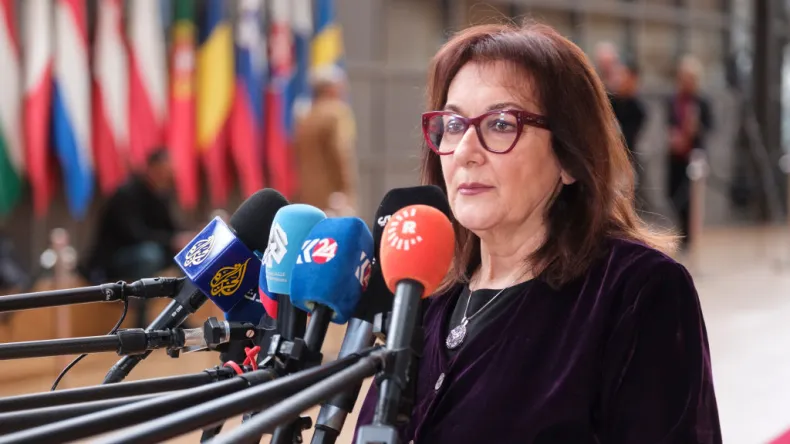
European Union Commissioner for Mediterranean Affairs, Dubravka Šuica, began an official visit to Algeria on Monday, May 4, scheduled to conclude on Tuesday, May 5. The visit aims to foster cooperation between the European Union and Algeria on matters concerning the Mediterranean region, emphasizing the strategic importance of this partnership for both entities. This high-level engagement signifies a concerted effort to deepen bilateral relations and address shared challenges in a key geopolitical area. The Commissioner's presence shows the EU's commitment to active dialogue and collaborative initiatives with its Mediterranean partners, particularly Algeria, given its significant regional role.
Key Cooperation Areas
Discussions during the visit will focus on "cooperation opportunities within the framework of the Mediterranean Charter, in the fields of trade, investment, energy, migration, and security," according to a statement from the European Union. These areas represent key pillars for strengthening ties between the EU and Algeria, reflecting a full approach to their partnership. The Mediterranean Charter, a framework for regional cooperation, provides the guiding principles for these discussions, aiming to promote stability and prosperity across the region. Within this framework, specific attention will be given to enhancing economic exchanges through trade and investment, which are vital for mutual growth and development. Addressing complex issues such as migration and regional security forms a critical component of the agenda, noting the shared responsibility in managing these challenges effectively.
The talks are also set to address the "long-term energy partnership between the EU and Algeria, and ways to jointly promote the green transition." This indicates a strategic focus on sustainable energy initiatives and the continued importance of Algeria as an energy partner for the European Union. The emphasis on a "long-term energy partnership" shows the enduring nature of Algeria's role in Europe's energy security, while the commitment to "jointly promote the green transition" signals a forward-looking approach towards renewable energy sources and environmental sustainability. This aspect of the discussions is particularly relevant in the current global context, where energy diversification and climate action are critical. The collaboration aims to explore new avenues for clean energy development and technological exchange, fostering a more resilient and environmentally conscious energy landscape.
High-Level Engagements
Commissioner Dubravka Šuica is scheduled to hold a series of high-level meetings with key Algerian officials during her visit. These engagements include discussions with representatives from several ministries, aiming to solidify cooperation across various sectors. The focus of these discussions will be on advancing shared priorities between the European Union and Algeria, as outlined in the broader objectives of the visit. These meetings are expected to facilitate detailed conversations on the specific areas of collaboration identified, ensuring a full approach to strengthening bilateral relations. The structured nature of these high-level interactions shows the strategic importance both sides place on the partnership, providing a platform for direct dialogue and decision-making. Such direct engagement is key for translating policy objectives into tangible cooperative projects and initiatives.
EU-Algeria Partnership Focus
The visit is intended "to discuss bilateral and regional cooperation between the European Union and Algeria," the EU delegation in Algeria stated. This engagement shows the ongoing commitment to strengthening ties between the two entities. The discussions will encompass a range of issues pertinent to both the EU and Algeria, reflecting the multifaceted nature of their relationship. Focus areas include economic development, stability in the Mediterranean basin, and addressing shared challenges. This broad agenda aims to foster a more integrated and collaborative approach to regional governance and mutual benefit. The delegation's statement emphasizes the full scope of the dialogue, moving beyond specific sectors to encompass the overall strategic partnership. It notes the shared understanding that a strong, cooperative relationship is essential for navigating the complexities of the Mediterranean region and promoting collective prosperity and security for all its inhabitants.