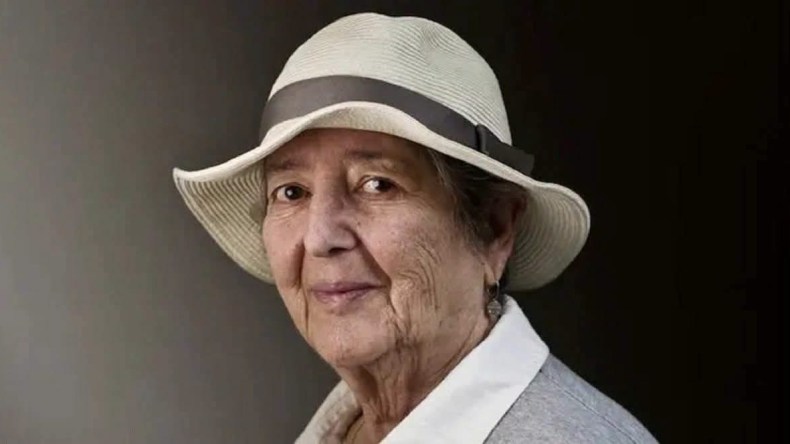
Ellen M'Khaïeff, a prominent American anti-colonial activist, has died at the age of 98, Algeria's official news agency, Algérie Presse Service (APS), reported on Saturday. M'Khaïeff was widely known for her decades-long commitment to anti-colonial causes, particularly her unwavering support for liberation movements across Africa. Her passing marks the end of a long and impactful career dedicated to advocating for self-determination and sovereignty for oppressed nations around the world. The activist's work spanned several key moments in the 20th century's anti-colonial struggles, earning her significant recognition among those fighting for independence and human rights. Her dedication served as an inspiration to many who sought to dismantle colonial structures and empower subjugated populations.
Early Life and Activism
Born Ellen Klein in 1928 in New York, USA, her journey began in a city that would later become a hub for international activism. Her early life experiences shaped her growing awareness of global injustices and fueled her eventual commitment to anti-colonialism. Her commitment to liberation movements deepened significantly following her marriage to writer and former National Liberation Army member Mokhtar M'Khaïeff, at which point she adopted his surname to become Ellen M'Khaïeff. This union not only changed her name but also solidified her personal connection to the Algerian struggle for independence. A key moment in her early activism occurred in 1958 when she met two influential figures, Frantz Fanon and Mohamed Sahnoun. Following these key encounters, she subsequently joined them under the banner of the National Liberation Front (FLN), becoming an active participant in their efforts. After her return to New York in 1960, Ms. M'Khaïeff continued her dedicated work for the FLN, contributing to its critical efforts from the party's local office in the city, helping to garner international support for the Algerian cause.
Life in Independent Algeria
After Algeria gained its hard-won independence in 1962, Ellen M'Khaïeff made the significant decision to settle in Algiers, the nation's capital. She remained there for 12 transformative years, immersing herself in the newly independent country's development. During this period, she utilized her skills as a journalist and translator, working diligently for the Algerian News Agency (APS), where she contributed to shaping the narrative of the young nation. Her involvement in Algeria's post-independence landscape extended beyond her professional role. In 1969, Ms. M'Khaïeff played a key role in the organizing team for the historic First African Festival held in Algiers. Her responsibilities during this landmark event included the key task of receiving delegations from various African liberation movements, such as those fighting for freedom in Mozambique, Angola, and South Africa. She also extended a warm welcome to members of the American Black Panther movement who attended the festival, noting the interconnectedness of anti-colonial and civil rights struggles globally.
Later Years and Recognition
Ellen M'Khaïeff maintained her profound connection to Algeria throughout her life. She returned to Algeria in 2019, further cementing her enduring ties to the nation. During this visit, she published her insightful book titled 'Alger (Capital), Capital of the Revolution – From Fanon to the Black Panthers'. This work meticulously details her personal experiences and observations during a key period of anti-colonial struggle, offering a unique perspective on the movements and figures she encountered. In a profound gesture of recognition for her lifelong contributions and her deep, long-standing connection to the country, President Abdelmadjid Tebboune granted Ms. M'Khaïeff Algerian citizenship in 2025. This formal acknowledgment solidified her ties to the nation she had supported and championed for many decades, recognizing her as an honorary daughter of Algeria. Her legacy as a tireless advocate for liberation and self-determination will continue to inspire future generations.