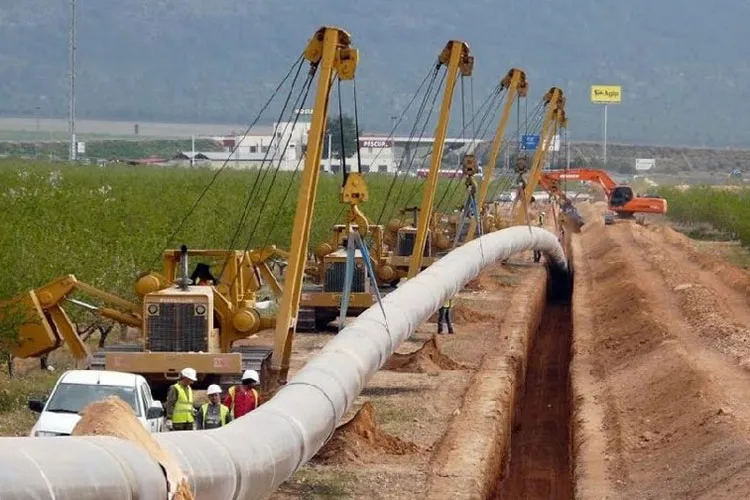
ECOWAS countries signed an intergovernmental agreement for the Atlantic pipeline project in Freetown, Sierra Leone, on 19 July 2026. This formal commitment established the framework for the multinational infrastructure initiative. Bashir Bayo Ogoulari, Director General of the Nigerian National Petroleum Corporation, confirmed the status of these arrangements during a meeting in Abu Dhabi on 5 November 2026. He announced that the concerned countries had concluded the necessary agreements required to advance the project. The Nigerian National Petroleum Corporation remains involved in the coordination of these regional energy efforts as participating nations move toward implementation.
Diplomatic Engagements in Nouakchott
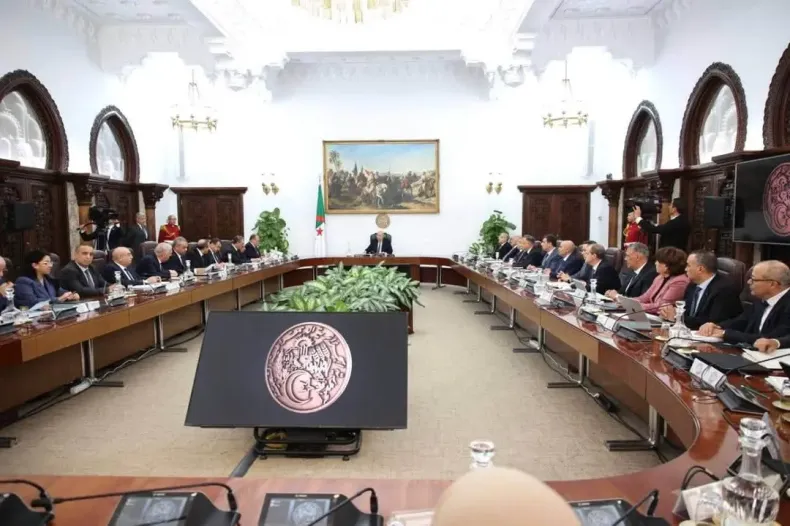
Moroccan Foreign Minister Nasser Bourita traveled to Nouakchott on 6 November 2026 to hold discussions with President Mohamed Ould Cheikh El Ghazouani. This official visit served as a platform for the two leaders to assess the current trajectory of their bilateral cooperation. The meeting focused on regional cooperation and the ongoing progress of the Atlantic gas pipeline project. As the project enters its next phase, the coordination between Morocco and Mauritania has become a central element of the diplomatic agenda. Planning for the pipeline infrastructure indicates that the proposed route includes approximately 1110 kilometers of coastline along Western Sahara.
Consultations between the two nations regarding these developments have touched upon logistical and territorial considerations. An unnamed spokesperson stated, "I learned that among Mauritania’s consultations with Morocco is that it wants it to accept the opening of a new crossing starting from Amgala toward Bir Moghrein in Mauritania, and that Nouakchott does not object and only stipulates that the Moroccan army protect it just as it protects Guerguerat, and that Morocco says it will pass from the point where the sand wall touches the Mauritanian border."
This dialogue notes the complexities involved in the physical routing of the pipeline. The proposed infrastructure requires precise alignment with existing territorial boundaries and security arrangements. The discussions in Nouakchott reflect the necessity of coordinating these logistical demands with the broader strategic objectives of the participating states.
Legal considerations regarding the territory remain a factor for parties involved in resource extraction agreements within the region. The Court of Justice of the European Union issued rulings on 4 October 2024 that addressed the requirements for such projects. These rulings stated that the consent of the Sahrawi people is necessary for agreements that affect their territory and resources. The status of these legal requirements continues to influence the diplomatic discourse surrounding infrastructure projects that pass through the area. As stakeholders evaluate the next steps for the Atlantic pipeline project, the interplay between international legal standards and the practical implementation of energy infrastructure remains a focal point for the participating nations and the organizations facilitating the project’s development.