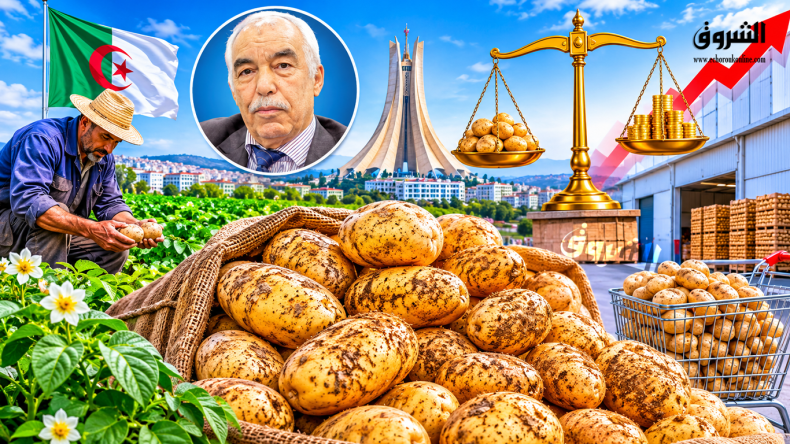
Potato prices in Algeria have recently exceeded 200 dinars per kilogram, signaling significant volatility within the national market. FAO data for 2024 indicates Algeria's annual potato production ranges between 4.3 and 4.6 million tons. Despite these output levels, agricultural expert Laala Boukhalfa attributes current supply challenges to systemic issues rather than insufficient capacity. "The problem facing the potato sector does not relate to weak production capabilities and potential, but rather to poor management and the absence of field monitoring and oversight," Laala Boukhalfa stated. This assessment points to failures in distribution and regulation as primary drivers for the elevated costs currently impacting consumers across the country.
Production Capacity and Regional Contributions
Algeria currently ranks second in Africa in potato production, following Egypt. National output relies heavily on specific agricultural hubs to maintain consistent supply levels across the country. The El Oued province plays a central role in this framework, providing approximately 40 percent of Algeria's national potato needs. These regional contributions remain essential for meeting domestic demand despite ongoing logistics and management challenges affecting market prices. Production volume from El Oued serves as a primary pillar for the sector, stabilizing the availability of the crop for consumers. Agricultural output across the country continues to be measured against this significant contribution from the province.
Consumption Trends and Market Dynamics
Annual per capita potato consumption in Algeria is estimated to range between 60 and 72 kilograms for direct household use. When accounting for the total market supply, which includes processing and industrial applications, this figure rises to between 100 and 111.5 kilograms per person. These consumption patterns reflect the potato's status as a staple component of the national diet, placing consistent pressure on supply chains to maintain availability across domestic markets.
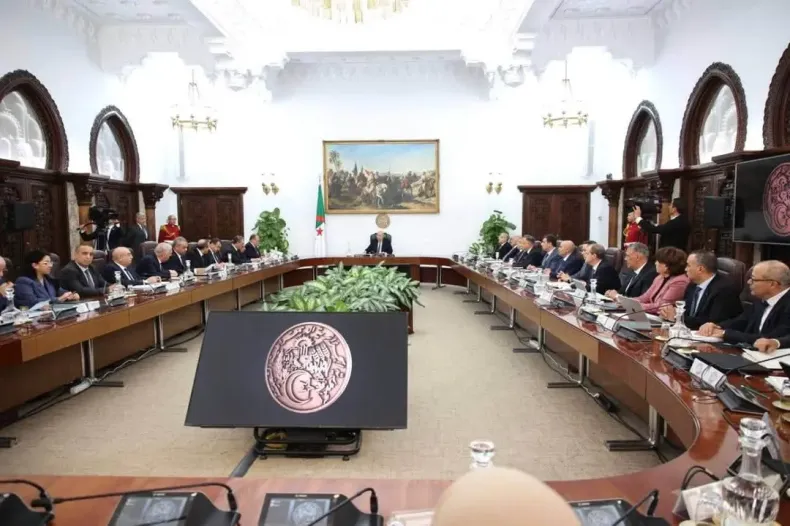
To address the recurring price instability and supply gaps, the Algerian government intends to establish a national company dedicated to managing surplus production. Officials designed this entity to intervene in the market by purchasing crops directly from producers. By acquiring these supplies at prices deemed satisfactory to farmers, the government aims to mitigate the losses producers face during periods of oversupply while preventing the market volatility that frequently leads to price spikes for consumers. This initiative seeks to provide a buffer against the logistical and management challenges that currently complicate the distribution of potatoes from agricultural hubs to retail outlets. Establishing this company marks a shift toward state-led price stabilization, intended to ensure that farmers remain incentivized to maintain production levels while protecting end-users from extreme cost fluctuations.