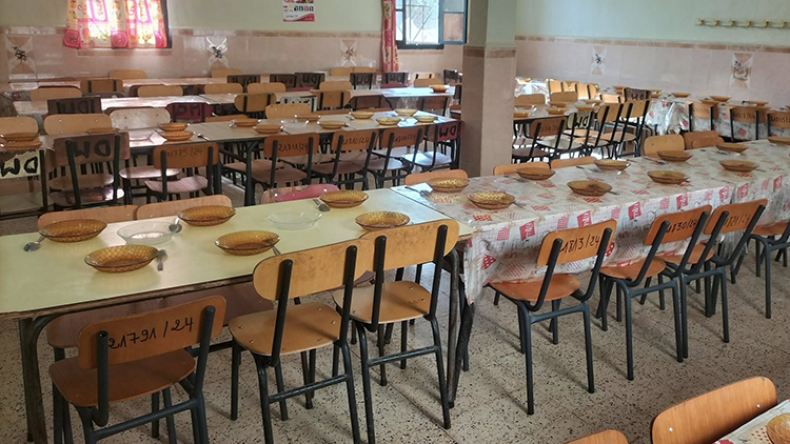
Directives have been issued to integrate dates into meals served in school canteens across Algeria, impacting 12 million students. This significant national initiative aims to enhance the nutritional value of school meals nationwide, providing a vital dietary supplement to young learners. This new policy will see the staple fruit become a regular component of the daily menu provided to students across all educational levels. The move is part of broader governmental efforts to diversify the food offerings in educational institutions and to support student well-being through improved dietary practices. The program shows a commitment to leveraging national agricultural resources for public benefit.
Implementation Details and Timeline
A ministerial dispatch, dated August 29 and numbered 697, formally communicated the decision to integrate dates into school meals to the Executive Directors of Education. This official directive initiates the practical steps for implementing the new nutritional policy across Algeria's educational institutions. The communication outlines the administrative framework and operational guidelines for integrating the fruit into daily menus for the 12 million students affected by this nationwide program. This full approach ensures a standardized rollout across the country.
Following this directive, the Secretary-General of the Ministry of National Education issued a specific request to all Directors of Education. This request explicitly asked for full statistics regarding date consumption in meals provided at primary, middle, and secondary school levels. This data collection is expected to inform the logistical planning and resource allocation necessary for the nationwide implementation of the new dietary component, ensuring efficient distribution and uptake. Directors of Education have been instructed to submit these full statistics on date consumption by Thursday, September 3rd. This deadline is key for ensuring timely preparation and accurate forecasting of needs for integrating dates into meals across primary, middle, and secondary school levels throughout the country.
Agricultural and Nutritional Rationale
The integration of dates into school meals is strategically designed to address the surplus in national date production, simultaneously promoting increased domestic consumption of the fruit among the younger generation. This initiative seeks to balance agricultural output with nutritional policy by utilizing a readily available local resource, thereby supporting both the agricultural sector and public health. The decision to implement this dietary change is formally based on a dispatch from the Ministry of Agriculture, Rural Development and Fisheries. This official communication, numbered 1709 and dated August 13, 2026, laid the groundwork for the subsequent directives issued by the Ministry of National Education, outlining the agricultural and economic rationale behind the nationwide program. This inter-ministerial coordination notes a holistic approach to national resource management and public welfare.
Expert Perspective on School Meals
The school nutrition program is set to benefit 12 million students across Algeria, marking a substantial investment in the health and academic performance of the nation's youth. The data collection efforts, with Directors of Education instructed to submit full statistics on date consumption by Thursday, September 3rd, are key. This data will be vital for the logistical planning and resource allocation required for the nationwide implementation of the new dietary component. The deadline ensures timely preparation for integrating dates into meals across primary, middle, and secondary school levels, facilitating a smooth transition and effective delivery of the nutritional benefits.
Broader Impact and Vision
School nutrition inspectors will be tasked with monitoring the implementation of the new measure to integrate dates into school meals. Their role will involve overseeing adherence to the directives across primary, middle, and secondary educational institutions, ensuring consistency and compliance. This oversight is intended to ensure consistent application of the policy and to verify that the nutritional goals of the program are met effectively. The monitoring process will also track the effective integration of dates into the daily menus provided to the 12 million students benefiting from the initiative, assessing both quantity and acceptance. This systematic approach aims to support the program's long-term success and address any challenges that may arise during its nationwide rollout, ensuring its sustained positive impact on student health.