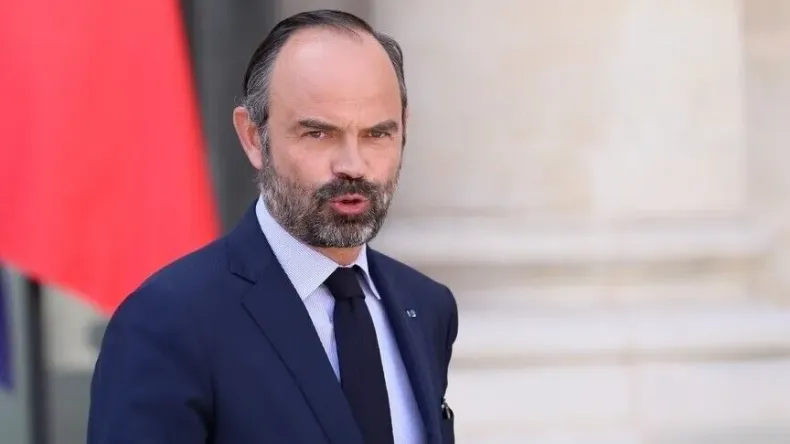
Édouard Philippe, leader of the Horizons party and former Prime Minister, criticized the Rassemblement national (RN) party's proposal to ban the wearing of the veil in France on Wednesday. Mr. Philippe stated, "Je ne veux pas rentrer dans une confrontation avec mes compatriotes français de confession musulmane," indicating his strong opposition to the measure. He further described the proposed ban as detrimental, asserting, "Cette mesure (…) est mauvaise, je la combats." His remarks come amid ongoing debate regarding religious symbols in public spaces, noting the deep divisions such proposals can create within French society. Philippe's intervention marks a significant moment in the political discourse surrounding religious freedoms and secular principles.
Philippe's Strong Opposition
Édouard Philippe assessed the Rassemblelement national's proposed measure as "dangerous," adding that he considered it "unconstitutional" and "not applicable." The former Prime Minister, who leads the Horizons party, articulated his strong reservations regarding the potential implementation of such a ban. Philippe also expressed his belief that a measure of this nature would have significant negative consequences on relations with French Muslims. He emphasized that the proposal risked alienating a segment of the French population, creating divisions rather than fostering national unity. His concerns extend to the practical enforceability of such a law, questioning its applicability within a democratic framework. Philippe’s condemnation shows a broader political resistance to policies perceived as targeting specific religious communities.
RN's Proposed Sanctions
Rassemblement national (RN) deputy Jean-Philippe Tanguy outlined his party's intentions regarding the Islamic veil. Speaking on BFMTV, Mr. Tanguy stated that if the RN comes to power, the party plans to "sanction the wearing of the Islamic veil" through the imposition of a fine. This declaration clarifies the specific punitive measure the RN envisions for individuals wearing the veil, should their legislative proposals be enacted. The proposed sanction forms a central part of the RN's broader stance on religious symbols in public spaces, particularly targeting the Islamic veil. This move indicates a direct approach to enforcing their policy preferences through financial penalties, aiming to deter the wearing of the veil in public. Mr. Tanguy's remarks provided a clear insight into the concrete actions the RN would pursue, moving beyond general statements to detail specific legal and financial consequences for those who do not comply with their proposed ban.
Broader Political Fallout
The Rassemblement national's proposal to ban the wearing of the veil has generated significant controversy and widespread condemnation in the political sphere. The initiative has prompted a strong reaction from various political actors, sparking an intense debate over religious freedom, secularism, and social cohesion in France. Critics argue the measure risks exacerbating divisions and targeting a specific religious community, potentially undermining the nation's foundational principles of liberty and equality. The heated discussion shows the contentious nature of religious symbols in public life and the differing approaches taken by political parties in navigating these complex issues. This contentious proposal continues to shape political discourse, drawing criticism from across the political spectrum regarding its potential impact on fundamental rights and the integration of minority communities. The controversy notes the ongoing tension between a strict interpretation of secularism and the protection of individual religious expression within French society.
Context and Nuance
Édouard Philippe clarified his personal stance on the veil, stating that he might "not be comfortable with the wearing of the veil." Despite this personal discomfort, the Horizons leader firmly rejected the principle of a ban. His remarks sought to distinguish between personal sentiment and legislative action, emphasizing his opposition to government-imposed restrictions on religious attire. This perspective adds nuance to his broader criticism of the Rassemblement national's proposal, separating his personal views from his political and constitutional objections to the measure. Philippe's statement underlines a debate within French political circles about the role of personal conviction versus legal principle regarding religious symbols. His position suggests that while individuals may hold personal reservations about certain religious practices, these should not necessarily translate into state-enforced prohibitions, especially when such prohibitions could infringe upon fundamental freedoms.