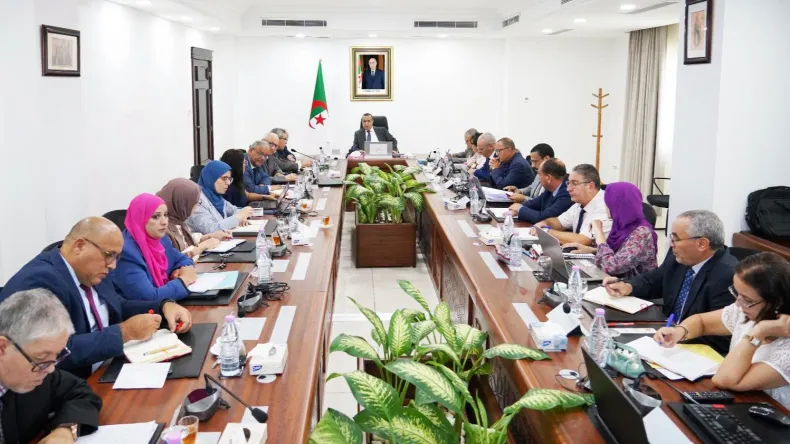
Algerian Minister of Energy and Renewable Energies, Dr. Murad Adjoul, chaired a working meeting on Wednesday to discuss developing the national electrical system. The session was specifically dedicated to discussing files related to the ongoing development of the national electrical system, focusing on critical areas for future growth and sustainability. Key topics of discussion included electric mobility and the adoption of time-of-use consumption strategies. Officials aim to improve electricity demand management and rationalize consumption across the country, ensuring a more efficient and resilient national grid. The meeting included central officials from the Ministry of Energy and Renewable Energies, key representatives from Sonelgaz, the national electricity and gas company, and the Electricity and Gas Regulation Commission (CREG). Their collective expertise was brought to bear on these key initiatives.
Boosting Electric Mobility
The recent meeting extensively addressed the prospects for developing electric mobility in Algeria. Discussions focused on enhancing the necessary infrastructure for charging electric vehicles across the nation, a foundational step for widespread adoption. This strategic move aligns with Algeria's gradual transition towards electric mobility, as officials seek to integrate greener transportation solutions into the national energy framework. The initiative is part of a broader effort to modernize the electrical system and manage energy demand more efficiently, contributing to national energy security and environmental goals. The development of this infrastructure is seen as vital to support the anticipated increase in electric vehicle usage, providing accessible and reliable charging options for consumers. This concerted push towards electric vehicles is also intended to reduce reliance on traditional fossil fuels for transport, diversifying Algeria's energy consumption profile.
Optimizing Electricity Demand
The meeting also explored mechanisms for time-of-use consumption strategies, aimed at improving electricity demand management. These strategies seek to reduce pressure on the national grid during peak consumption hours by encouraging consumers to shift their electricity usage to off-peak periods. Officials discussed how such approaches could rationalize overall electricity use, leading to a more stable and efficient national power supply. By implementing these models, Algeria aims to avoid costly infrastructure upgrades solely to meet short-term demand spikes.
The role of the Electricity and Gas Regulation Commission (CREG) in framing regulatory and tariff aspects for these new consumption models was a key point of discussion. CREG's involvement is key for establishing the necessary frameworks to implement time-of-use tariffs and other demand-side management initiatives effectively across Algeria. This regulatory guidance will ensure fairness, transparency, and the successful integration of these innovative consumption patterns into the existing energy market. The objective is to create a dynamic pricing system that incentivizes responsible energy use and optimizes grid performance.
Minister's Vision for System Modernization
The Minister of Energy and Renewable Energies, Dr. Murad Adjoul, showed the importance of continuing work on innovative and sustainable solutions for Algeria's energy sector. These solutions, according to Dr. Adjoul, should integrate energy efficiency measures, ongoing modernization of the national electrical system, and the promotion of clean energy sources. This full approach aims to enhance the grid's resilience while supporting the nation's transition towards more sustainable energy practices. Dr. Adjoul emphasized that combining energy efficiency with the modernization of the electrical system is critical for long-term energy security. This vision aligns with broader efforts to rationalize consumption and improve overall energy management within Algeria, paving the way for a more environmentally friendly and economically viable energy future. The Minister noted the need for continuous innovation to adapt to evolving energy demands and global environmental challenges.