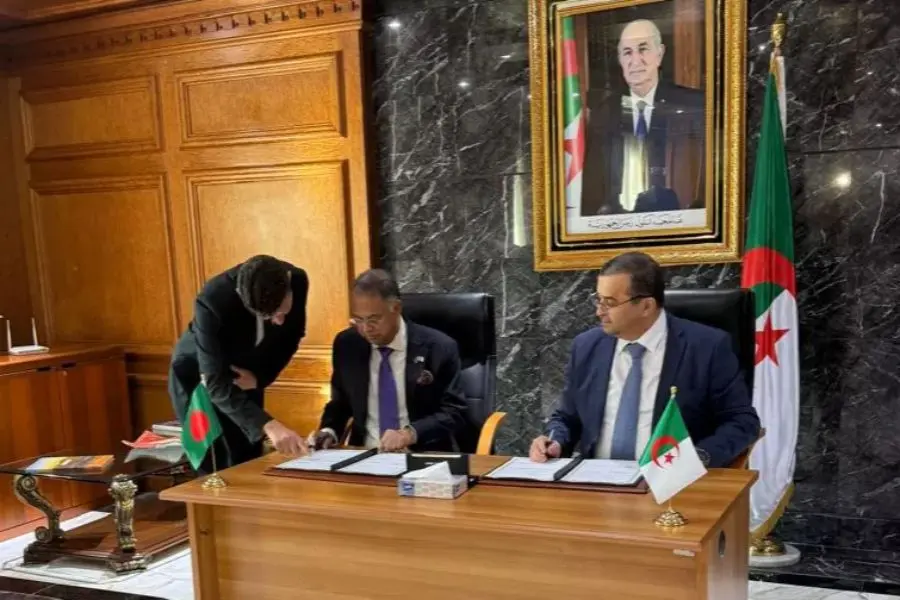
Bangladesh and Algeria signed a Memorandum of Understanding on cooperation in the field of hydrocarbon on Tuesday, 20 October 2026. Power, Energy and Mineral Resources Minister Iqbal Hassan Mahmood signed the agreement on behalf of Bangladesh. Minister for Hydrocarbon Mohamed Arkab signed the document representing Algeria. The partnership establishes a formal framework for both nations to collaborate on energy initiatives. Officials from both countries finalized the agreement to strengthen their bilateral ties within the sector. Each government expects the cooperation to address specific energy requirements through joint technical efforts. This formal arrangement marks the primary step in the energy relationship between the two states.
Scope of Energy Agreement
The agreement facilitates the import of LNG, LPG, and other petroleum products from Algeria to Bangladesh. Both nations established the transaction structure under a government-to-government (G2G) mechanism to manage supply logistics. Iqbal Hassan Mahmood stated, "This engagement opened a new horizon for Bangladesh in the field of energy security, and to import LNG, LPG and other petroleum products from alternate African sources under G2G mechanism." The framework provides a dedicated pathway for Bangladesh to secure these resources directly from Algerian state suppliers. By formalizing this G2G arrangement, the two countries aim to stabilize the arrival of essential fuel commodities. The import plan serves as a central component of the broader hydrocarbon cooperation protocol signed on 20 October 2026. Officials expect these shipments to support domestic energy demand as the partnership matures.
Infrastructure and Resource Exploration
Minister Iqbal Hassan Mahmood and Minister Mohamed Arkab held discussions regarding the development of specialized infrastructure for liquefied natural gas (LNG) and liquefied petroleum gas (LPG) within Bangladesh. The two officials examined potential joint ventures focused on the exploration of oil, gas, and coal reserves located throughout Bangladeshi territory. These technical talks aimed to identify specific sites where Algerian expertise could assist in resource extraction and capacity building. Both ministers reviewed the logistical requirements necessary to integrate future exploration projects into the existing bilateral hydrocarbon framework.
Iqbal Hassan Mahmood requested that the Algerian government organize full training programs for Bangladeshi engineers and technicians. The proposal seeks to enhance the technical proficiency of the local workforce through knowledge transfer from Algerian industry specialists. These programs would focus on operational safety and modern extraction techniques relevant to the proposed oil, gas, and coal projects. The ministers agreed to evaluate the specific training modules required to meet the operational standards of both nations. Officials anticipate that these educational initiatives will support the long-term sustainability of the infrastructure projects discussed during the meeting.