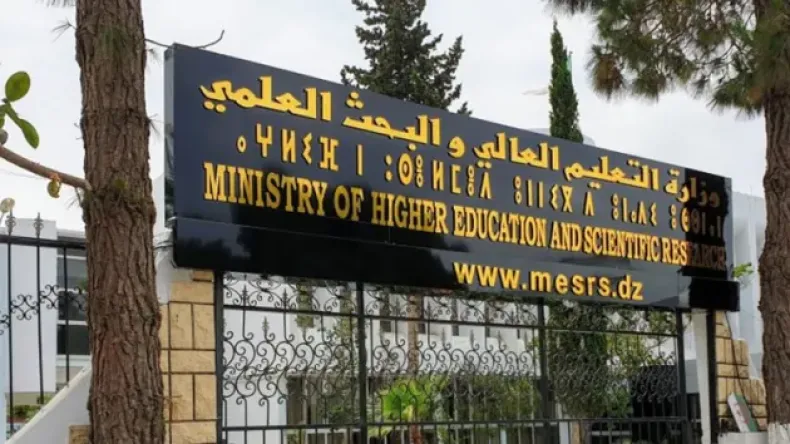
Algeria proposed 166 research alliances as part of the second edition of the ARICA initiative. This contribution positions the country as a primary participant in the current cycle of the program. Officials involved in the project confirmed the count of proposed partnerships, which aim to expand collaborative frameworks within the research sector. These alliances represent the specific level of engagement Algeria has committed to for this iteration of the initiative. The figures reflect the operational scope of the state's participation during the 2026 term. Participants continue to process these proposals to determine how the selected research alliances will be integrated into the broader objectives of the ARICA program moving forward.
The submission of these 166 research alliances notes a significant effort by the Algerian academic community to engage with the structural requirements of the ARICA initiative. By proposing 166 research alliances, Algeria has demonstrated a clear intent to foster cross-border academic cooperation. Each proposal was subjected to rigorous scrutiny by the governing bodies responsible for the initiative’s oversight. The administrative framework required for these 166 research alliances involved detailed documentation and strategic alignment with the goals set out by the program organizers for the 2026 term.
Strong Participation in ARICA
Algerian researchers numbered 1,214 participants in the second edition of the ARICA initiative. This figure represents the total national involvement in the program's latest cycle, which monitors academic collaboration across the region. The 1,214 Algerian researchers involved in this edition represent a diverse group of academics and scientists working across various disciplines. Their collective efforts formed the basis for the 166 research alliances submitted for consideration. The involvement of 1,214 individuals shows the breadth of interest within the national scientific community regarding the opportunities provided by the ARICA initiative.
Scientific evaluation processes determined that 42 of the proposed research alliances from Algeria met the necessary criteria for approval. These 42 successful research alliances place the country third in the Arab world based on the volume of accepted projects. This ranking signifies Algeria's competitive position among participating nations. The evaluation process for these 42 successful research alliances involved multiple stages of peer review and technical assessment to ensure that each project met the required standards of academic excellence and collaborative potential.
The 42 successful research alliances equate to a 25 percent success rate for the Algerian researchers who submitted proposals to the initiative. This metric measures the proportion of submitted research frameworks that moved beyond the initial screening and evaluation phases. Achieving a 25 percent success rate indicates that a quarter of the proposed initiatives demonstrated the quality and feasibility necessary to proceed.
The Association of Arab Research Councils oversees the ARICA initiative. This body manages the standards and procedural requirements for all participating states, including the evaluation stages that determined the final tally of approved projects for Algeria. By establishing the criteria for the 42 successful research alliances, the Association of Arab Research Councils ensures consistency across the program. The Association of Arab Research Councils maintains the oversight necessary to coordinate the efforts of all 1,214 Algerian researchers and their peers in other countries. Through the guidance of the Association of Arab Research Councils, the ARICA initiative continues to function as a structured framework for regional scientific advancement.