Algeria has earmarked 123.4 billion dinars for the energy sector within the 2027 draft finance bill. Minister of Energy and Renewable Energies Mohamed Arkab (مراد عجال) stated: "Algeria has allocated 123.4 billion dinars for the energy and renewable energy sector in the 2027 draft finance bill, with the majority of funds directed toward electricity and gas connection programs, energy bill subsidies in the south and the High Plateaus, as well as the development of renewable energies and consumption control." These funds represent the government's official commitment to expanding national energy infrastructure and supporting regional utility costs for the upcoming fiscal year. The allocation focuses on balancing the expansion of power access with the strategic management of national energy resources and consumption patterns across the country.
Breakdown of Budgetary Allocations
Electricity and gas infrastructure programs receive the largest share of the funding, with 93.89 billion dinars designated for these sectors. This allocation supports ongoing efforts to expand utility access across the country. Energy management and the development of renewable energy sources are assigned 24.06 billion dinars under the 2027 draft finance bill. These funds aim to enhance resource efficiency and support the transition toward sustainable power generation. Finally, the government has set aside 5.6 billion dinars to cover the costs of central administration and facility management. This portion of the budget ensures the operational oversight of national energy projects remains functional throughout the fiscal year. These three distinct categories account for the total 123.4 billion dinars allocated to the sector.
Renewable Energy Development Goals
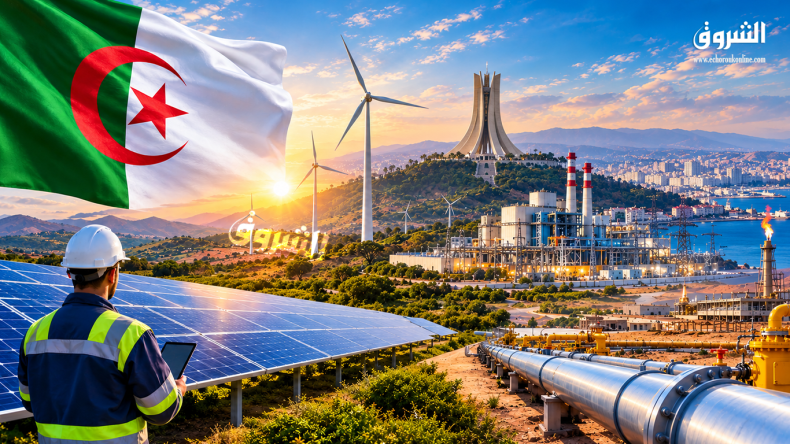
Algeria targets a total production capacity of 15,000 megawatts of renewable energy by 2035. This long-term objective serves as the foundation for the government's transition strategy within the national energy sector. Implementation of these energy goals relies on a multi-stage construction schedule. The first phase of this renewable energy program involves the development of 21 solar power plants. These facilities will provide a total capacity of 3,200 megawatts to the national grid. By prioritizing these specific solar projects, the administration intends to establish the necessary infrastructure to meet its generation targets. These installations represent the initial step in the broader effort to diversify the country's power mix over the coming decade.
Current Infrastructure and Demand
Peak electricity demand in Algeria reached a record 21,828 megawatts during the summer of 2026. This level of consumption reflects the current load placed on the national energy infrastructure as usage patterns rise.
Existing physical assets support this demand across the country. The national electricity grid currently spans 37,200 kilometers, while the associated distribution network extends 445,150 kilometers. In addition to power infrastructure, the national gas transport network covers a distance of 25,150 kilometers. The gas distribution network adds another 185,520 kilometers to the operational system. These figures detail the scale of the utility networks managed by the state to maintain consistent energy delivery to consumers and industrial facilities throughout the territory.
Supporting Agricultural Energy Access
Agricultural development remains a central pillar of the national effort to extend electricity access to rural and productive zones. State-led initiatives have focused on integrating farming operations into the broader energy grid to improve operational capacity and local efficiency. Data indicates that 107,704 agricultural holdings have been connected to the electricity network since 2022. These connections allow farmers to utilize consistent power for irrigation, equipment operation, and facility maintenance. By prioritizing these sites, the authorities aim to support agricultural output and stabilize rural infrastructure. This ongoing expansion of service remains a key component of the broader 2027 energy sector strategy, ensuring that remote and rural agricultural areas receive the utility support necessary to maintain production levels across the country.