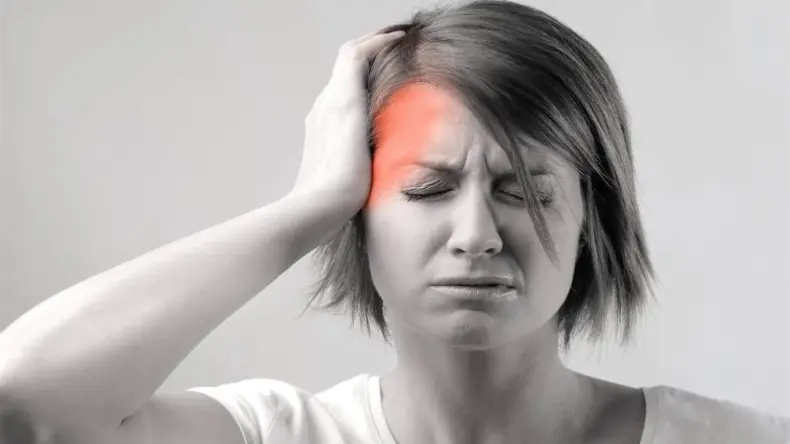
Dr. Yekaterina Demyanovskaya identified autumn lifestyle transitions as potential catalysts for increased headache frequency. These seasonal adjustments often involve significant changes to daily routines, including altered sleep patterns and extended periods of screen time. Such shifts in behavior during the autumn months contribute to the physical strain that may trigger migraine episodes for many individuals. Monitoring these modifications in personal habits remains a primary recommendation for managing health outcomes as daylight hours shorten and activity levels fluctuate. Dr. Yekaterina Demyanovskaya noted that the body frequently struggles to adapt to these specific environmental and behavioral shifts, which directly correlate with the onset of neurological discomfort.
Daily Habits Affecting Health
Skipping breakfast represents a notable factor that can contribute to the onset of headaches for individuals as they adjust their daily morning routines. Medical observations indicate that the disruption of regular meal times often precedes neurological discomfort, making the omission of a morning meal a common trigger for patients.
Cold weather conditions frequently exacerbate health issues through reduced fluid intake and subsequent dehydration. Maintaining adequate hydration remains a challenge during autumn as ambient temperatures drop and thirst sensations may diminish. Clinical reports confirm that dehydration acts as a primary catalyst for the development of new headaches or the worsening of existing conditions.
Dr. Nikita Sherstobitov identified muscle spasms in the neck, shoulders, and upper chest as the origin of many severe headaches, rather than primary vascular issues. He explained the physical mechanism behind this phenomenon by stating, "It is possible for tension in the neck, shoulder, and chest muscles, in addition to the loss of fascia elasticity, to literally pull the head, causing severe and debilitating pain." Patients experiencing these symptoms may find that the discomfort originates from the musculoskeletal system rather than blood flow disturbances.
Dr. Svetlana Malinovskaya recommends specific physical interventions to manage migraine symptoms when they occur. Her guidance includes the application of cold compresses directly to the forehead to reduce inflammation and sensitivity. Additionally, Dr. Svetlana Malinovskaya suggests performing a gentle massage of the neck and shoulder areas to release the tension that often accompanies the onset of a migraine episode. These non-pharmacological methods serve as immediate measures for individuals seeking to alleviate pain during the transition into colder months.