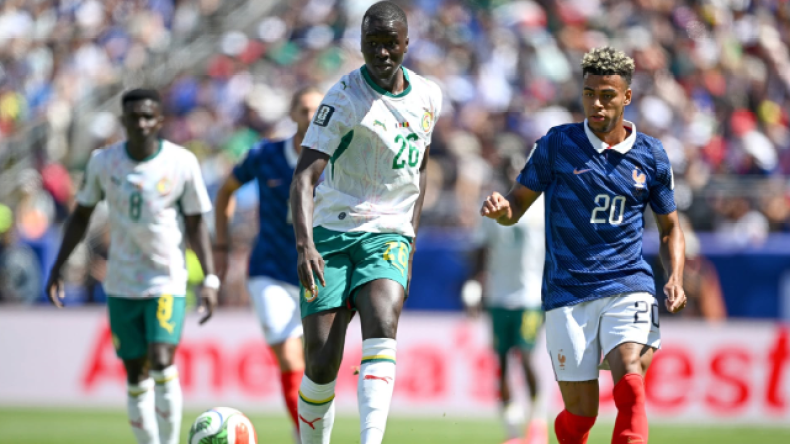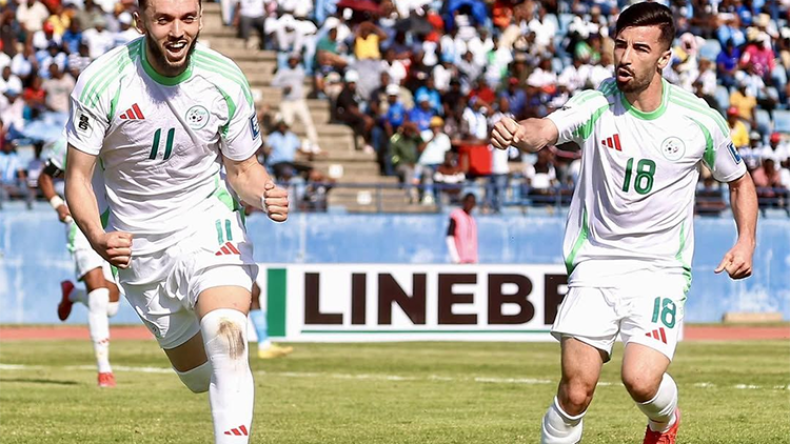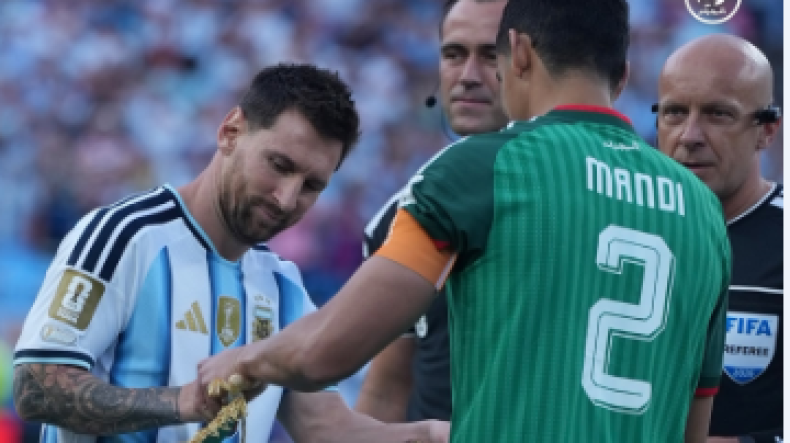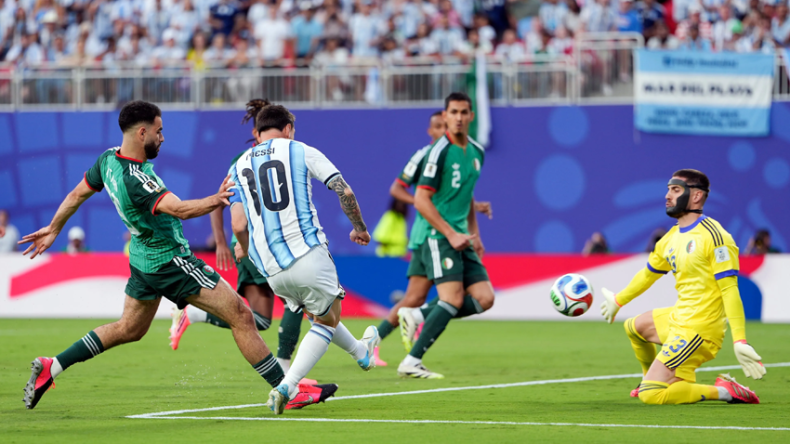
Argentina's national team recently exposed significant tactical differences during a match that placed Algeria's technical system in a real predicament for ninety minutes. The encounter noted the stark contrast in strategies between the two sides. The recent match against the Argentine national team, specifically, revealed these stark tactical differences that put "Les Verts'" technical system in a real predicament for ninety minutes. The defeat suffered by Algeria was attributed to explicit Argentine tactical superiority, according to reports. Unsuccessful tactical choices made by Algeria's coaching staff also contributed, alongside individual player performances that were notably below their usual standard during the game. This full assessment confirms that the defeat was a direct result of explicit Argentine tactical superiority, coupled with unsuccessful tactical choices by Algeria and individual player performance far below their usual standard.
Algeria's Overly Cautious Approach
Algeria's technical staff implemented an excessively cautious plan, which resulted in an unjustified collective retreat backward, according to reports. This defensive strategy allowed Argentine players ample space and time to impose their style of play. Consequently, Argentina completely dominated the build-up play area throughout the match. This cautious approach effectively gave Argentine players the freedom they needed to dictate the pace and direction of play, establishing their dominance from the outset. A key issue stemming from Algeria's approach was the considerable distances between its three defensive, midfield, and attacking lines. These wide gaps significantly diminished the team's advantage in cohesion, preventing them from operating as a unified unit. These large distances undermined their collective pressing efforts to regain possession of the ball, allowing Argentina to maintain control and build attacks with relative ease. The inability to close these spaces effectively hampered Algeria's ability to disrupt Argentina's rhythm and establish any meaningful counter-play.
Argentina's Effective High Press
Argentina's tactical superiority was notably evident in its directed high press. This strategy prevented Algeria's players, often referred to as "Les Verts," from effectively escaping their own half with the ball. The Argentine superiority was clearly embodied in this directed high press, which consistently stifled "Les Verts" players, making it nearly impossible for them to advance the ball. The high press exploited a perceived lack of individual solutions among the Algerian squad, as well as a slow passing game, which hindered their ability to build attacks from the back. Algerian players struggled to find creative outlets or quick passes under the intense pressure, leading to frequent turnovers and a breakdown in their offensive movements. The sustained pressure from Argentina consistently disrupted Algeria's attempts to establish possession and advance the ball upfield. This relentless application of pressure contributed significantly to Argentina's control of the match dynamics and severely limited Algeria's offensive opportunities. The effectiveness of the high press showed a key difference in the tactical approaches of the two teams during the encounter, demonstrating Argentina's proactive and aggressive strategy against Algeria's more reactive stance.
Player Performance and Coaching Decisions
Substitutions implemented by the Algerian coach in the second half were reportedly delayed and failed to deliver the anticipated tactical improvements. The substitutions made by the Algerian coach in the second half were notably late and did not provide the expected tactical solutions, further compounding the team's difficulties. These coaching decisions coincided with a noticeable decline in the physical and mental state of the players during the match. Players showed a clear physical and mental decline during the match, manifesting as a lack of focus in defensive transitions and poor positioning on set pieces. Algerian players exhibited a lack of focus during defensive transitions, contributing to Argentina's control. Their positioning on set pieces was described as poor, which likely offered Argentina additional strategic advantages in critical moments. The combined effect of these factors indicated challenges in both tactical adjustments and player execution throughout the game, ultimately contributing to Algeria's struggle to compete effectively against Argentina's superior strategy and execution.