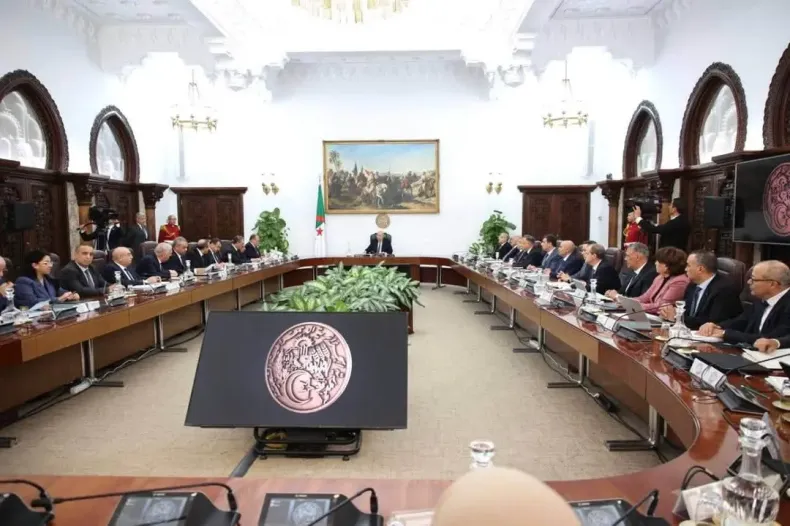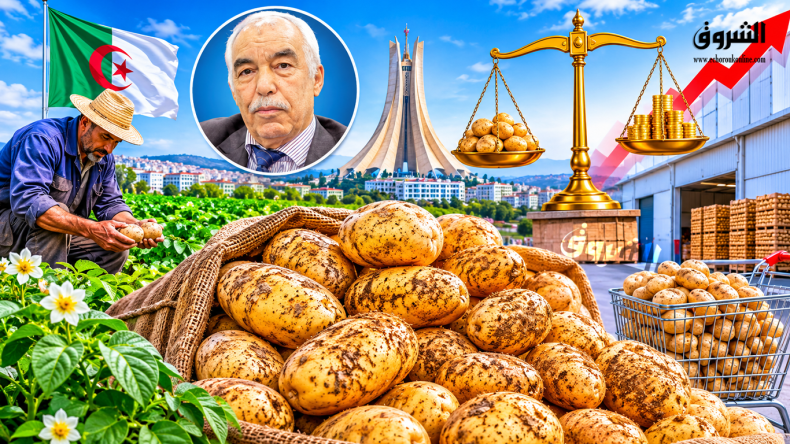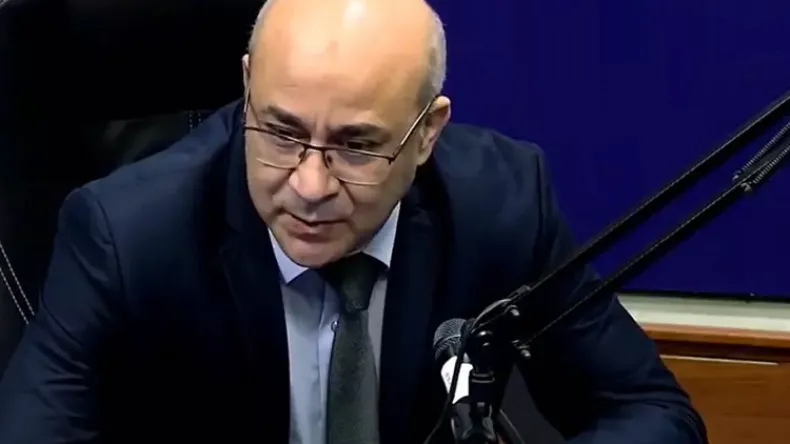
Development consultant Abderrahmane Hadef stated that agricultural reform in Algeria represents a strategic necessity driven by regional and international geopolitical changes. He noted that the national government is moving to prioritize long-term food security through structural adjustments. Regarding the government's approach, Abderrahmane Hadef said: "The directives issued by the President of the Republic during the Council of Ministers meeting constitute a roadmap for achieving a deep transformation in the sector, which is not limited to increasing production and improving management, but includes rebuilding its system on strategic foundations that ensure stable supply, reduce dependence on foreign markets, and provide quality products at reasonable prices accessible to citizens." These measures aim to shift the agricultural sector toward self-sufficiency while stabilizing domestic supply chains.
Modernizing Agricultural System Frameworks
Abderrahmane Hadef emphasized the necessity of implementing a modern scientific approach to reorganize the agricultural system in Algeria. He stated that such a methodology remains essential to improve the overall performance of the sector. By adopting these technical standards, the government seeks to shift away from traditional methods toward data-driven management. Abderrahmane Hadef argued that this structural transition will enable the country to optimize resource allocation and enhance productivity across various regions. These changes aim to address systemic inefficiencies while ensuring that farming operations align with contemporary industrial requirements. Following these directives, national authorities intend to integrate advanced research into daily agricultural practices to secure long-term stability for the domestic food market.
Data Driven Field Surveys
Abderrahmane Hadef proposed the creation of a local-level statistical and field survey network to gather precise data regarding agricultural resources and regional capabilities. This initiative aims to establish a granular understanding of production potential across the country. To support this information gathering, Abderrahmane Hadef recommended establishing specialized statistics departments within the agricultural sector. These dedicated units would focus on identifying all active participants and market players operating throughout the domestic agricultural supply chain.
Digitalization, economic intelligence, and systematic data analysis form the core of the proposed monitoring framework. Abderrahmane Hadef suggested that by applying these technical tools to track daily agricultural activity, authorities can effectively identify potential imbalances before they disrupt the broader market. The implementation of these analytical methods is intended to provide a clear view of production fluctuations and resource distribution.
Public-private partnerships represent the preferred mechanism for modernizing the infrastructure of the sector. Abderrahmane Hadef proposed adopting international experiences in the construction and management of large wholesale markets. By utilizing these collaborative business models, the government seeks to improve distribution efficiency while lowering the operational costs currently associated with food transport and storage. These structural changes aim to integrate modern market practices into the existing agricultural system to enhance overall performance.