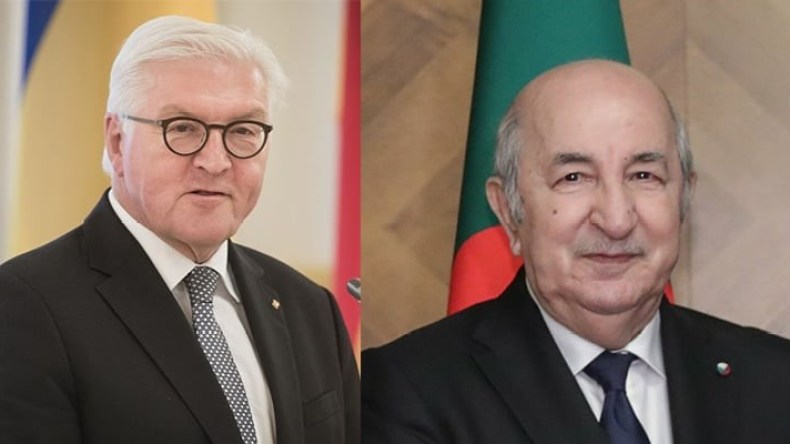
Algerian President Abdelmadjid Tebboune commenced a two-day official visit to Berlin today, Wednesday, at the invitation of his German counterpart, Frank-Walter Steinmeier. This significant diplomatic engagement, which began on July 15, 2026, shows the growing importance of bilateral relations between Algeria and Germany. The visit is expected to culminate in the announcement of a strategic partnership between Algeria and Germany, marking a new chapter in their cooperative endeavors. The Algerian presidency stated that the trip aims to strengthen historical bonds of friendship and partnership, as well as to give new momentum to bilateral cooperation between the two nations. This high-level exchange is seen as a key step in fostering deeper ties and exploring new avenues for collaboration across various sectors, reflecting a shared commitment to mutual development and stability.
Key Meetings and Discussions
During his stay in the German capital, President Abdelmadjid Tebboune is scheduled to hold talks with German President Frank-Walter Steinmeier and Chancellor Friedrich Merz. These discussions are anticipated to cover a wide array of topics, including political cooperation, regional security, and economic development, laying the groundwork for the anticipated strategic partnership. The Algerian leader will also meet with members of the Algerian community residing in Germany, an important engagement to address their concerns and acknowledge their contributions. Concurrently, an Algerian-German economic forum is planned to take place alongside the visit. This forum will gather senior officials, businessmen, and investors from both nations to discuss economic cooperation, fostering direct interactions and identifying concrete investment opportunities. The parallel events highlight the full nature of this official visit, encompassing both governmental and private sector engagement.
Economic Forum and Agreements
The Algerian-German economic forum, which is taking place concurrently with President Abdelmadjid Tebboune's visit, is anticipated to culminate in significant outcomes. This forum is expected to lead to the announcement of a strategic partnership between Algeria and Germany, signifying a deepened collaboration between the two nations. The forum serves as a vital platform for dialogue and negotiation, bringing together key stakeholders from both countries' economic landscapes. Additionally, more than thirty agreements are slated for signing as part of the forum's conclusion, according to official statements. These agreements are the tangible result of extensive preparations and negotiations, designed to solidify the framework for future cooperation.
These agreements are set to encompass a broad range of sectors, reflecting a full approach to bilateral cooperation. Key areas include hydrocarbons and renewable energy, indicating a focus on energy security and sustainable practices. The energy transition sector is also covered, aligning with global efforts towards decarbonization and the development of green technologies. Agreements will address pharmaceuticals, aiming to bolster healthcare infrastructure and local production capabilities. Manufacturing is another key sector targeted for collaboration, seeking to enhance industrial output and technological transfer. Advanced technology agreements are also on the agenda, aiming to foster growth and innovation in these strategic industries for both Algeria and Germany, promoting knowledge exchange and joint ventures. The breadth of these agreements shows a shared vision for diversified economic engagement beyond traditional areas.
Broader Bilateral Context
The current visit by Algerian President Abdelmadjid Tebboune to Berlin unfolds on July 15, 2026, marking a significant moment in the diplomatic relations between Algeria and Germany. The discussions are set against a backdrop of ongoing efforts to deepen economic and political ties between the two countries, building on previous high-level interactions. This engagement follows previous high-level interactions and aims to solidify a strategic partnership, moving beyond conventional diplomatic exchanges to a more structured and long-term collaboration. The anticipated agreements span across critical sectors, reflecting a concerted push towards diversified cooperation and mutual economic benefit. This diplomatic activity shows the mutual interest in strengthening bilateral relations through structured dialogue and concrete initiatives, paving the way for enhanced partnership in the years to come. Further details regarding the outcomes of the strategic partnership talks are expected as the visit progresses and official announcements are made.