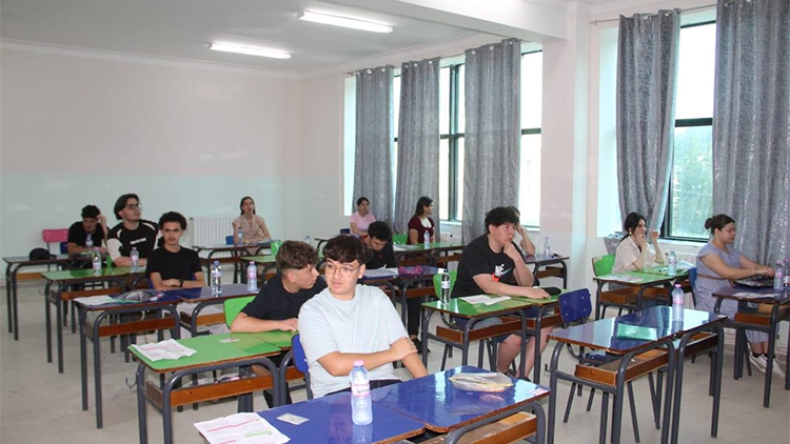
Algeria's Baccalaureate exams commenced on Sunday, June 7, 2026, marking a significant annual event for students across the country. This national assessment is a key moment for Algerian youth, determining their eligibility for university education and future career paths. Thousands of candidates arrived at exam centers early in the morning to prepare for the start of the tests. The atmosphere was one of anticipation mixed with a sense of gravity, as students prepared to demonstrate their knowledge and skills acquired over years of study. The nationwide examinations proceed under strict organizational measures, designed to ensure fairness and integrity throughout the process.
Exam Day Atmosphere
Exam centers across Algeria's various provinces operated under organized and calm conditions as the Baccalaureate exams began. From the bustling capital to more remote regions, a consistent level of order was maintained, contributing to a conducive environment for the candidates. Parents were seen accompanying their children to the examination centers, providing support before the tests commenced. This parental presence showed the collective importance placed on these examinations within Algerian society, with families offering emotional encouragement during this stressful period. Inside the venues, exam supervisors and teachers actively worked to ensure a composed and structured environment for the candidates. Their efforts aimed to minimize stress and facilitate optimal conditions for the students taking the key examinations. These dedicated personnel played a vital role in upholding the integrity of the examination process. The coordinated approach at the centers, involving both administrative staff and educational professionals, contributed to a smooth start for the academic assessments nationwide, setting a positive tone for the days of testing ahead.
Arabic Exam Analysis
The first exam subject presented to Baccalaureate candidates was Arabic Language and Literature. This initial paper is often seen as a key indicator for students, as Arabic is a core subject and a foundational element of the Algerian curriculum. Many candidates expressed relative relief with the Arabic language exam questions, describing them as accessible to students who had followed their studies regularly. This sentiment indicated a generally positive reception among a significant portion of the test-takers regarding the initial assessment, suggesting that consistent preparation was well-rewarded. The structure of the exam, encompassing various aspects of the Arabic language, allowed students to showcase their full understanding.
Despite the overall accessibility, some candidates specifically found the grammar section (الإعراب) to be difficult. This particular component of the Arabic language exam posed a challenge for certain students, distinguishing it from other parts of the assessment. The intricacies of Arabic grammar, particularly the parsing of sentences, often require a deep conceptual understanding and careful application of rules, which can be demanding for some. Teachers also provided their assessment of the examination's difficulty. They agreed that the exam questions were accessible to the average student who had studied diligently, reinforcing the perception that consistent preparation was key to performing well. Educators noted that the paper was balanced, testing both comprehension and analytical skills. The consensus among educators suggested that the exam was fairly structured for those who engaged with their curriculum throughout the academic year, reflecting a standard level of difficulty appropriate for the Baccalaureate.
The Rise of Free Candidates
A noticeable presence of free candidates was observed during the Baccalaureate exams. These individuals, distinct from regular school-attending students, often register independently for the national assessment. Many of these individuals had previously obtained the Baccalaureate in earlier years. Their participation noted a trend of re-sitting the examinations, indicating a dynamic and evolving landscape for post-secondary education aspirations in Algeria. In the eastern suburbs of Algiers, one examination center alone registered approximately 400 free candidates who had successfully passed the Baccalaureate in prior academic sessions. This significant number indicates a substantial interest among already-certified individuals in retaking the national assessment, showing the high value placed on academic achievement and further educational opportunities. The motivations for these free candidates vary, often including aims to improve previous scores, pursue different academic specializations requiring higher grades, or gain admission to specific university programs that demand a more competitive Baccalaureate average. The phenomenon contributes to the overall high turnout observed in the current examination cycle, adding another layer of complexity and competition to the annual event. Their presence reflects a national drive for continuous learning and academic advancement beyond initial qualifications.