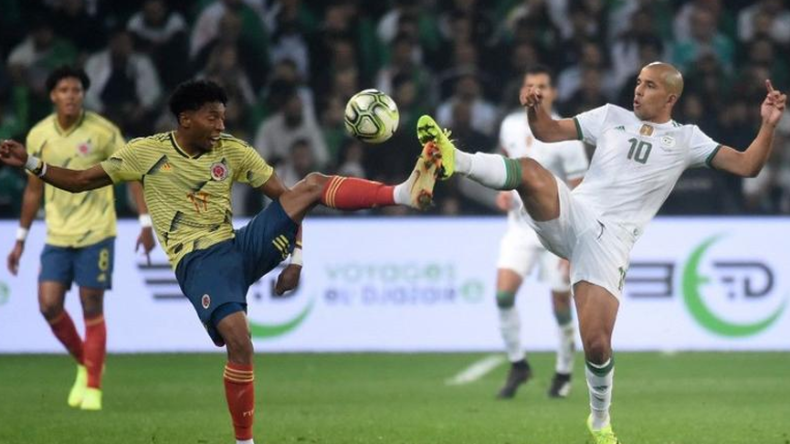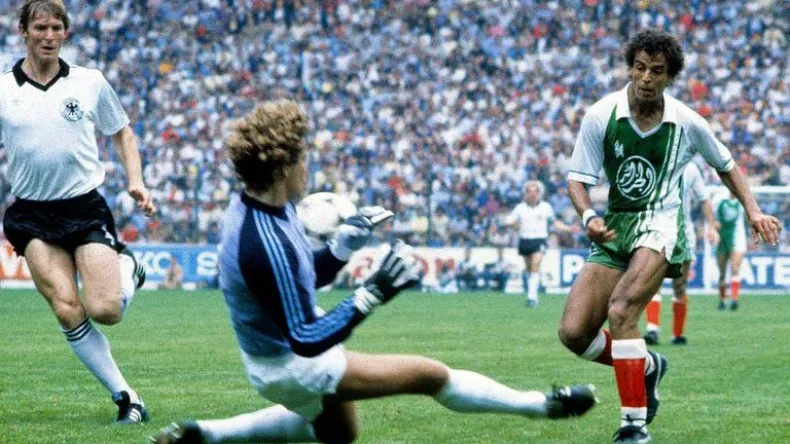
Algeria's national football team, affectionately known as 'The Greens', achieved a truly historic victory against the formidable West German side, defeating them 2-1 in a 1982 World Cup group stage match. This momentous event, which unfolded 44 years ago, marked Algeria's first-ever World Cup win, establishing a significant milestone in the nation's footballing history. The surprising and impactful result resonated profoundly throughout the tournament, with the Algerian side demonstrating an unexpected prowess and tactical acumen on the international stage, captivating fans and pundits alike. The victory was not merely a win but a statement, signaling the arrival of a new force in global football. The 44th anniversary of this historic match against West Germany coincides with Algeria's highly anticipated return to the World Cup after a two-edition absence, marking a significant and hopeful moment for the team as it looks ahead to new challenges and aims to build upon its rich legacy.
The Gijon Epic Remembered
Algeria's inaugural participation in the World Cup finals occurred during the Spain 1982 edition, a tournament that would forever be etched in the memories of Algerian football supporters. That particular tournament saw Algeria strategically placed in a challenging Group 2, alongside footballing giants West Germany, the strong Austrian team, and Chile. This grouping set the stage for a series of compelling matches, with Algeria facing formidable opponents right from the start of their World Cup journey. The encounter between Algeria and West Germany in 1982, specifically held in Gijon, Spain, is widely considered one of the best matches ever played by Arab and African teams in the entire history of the World Cup due to its dramatic nature and the quality of football displayed. This assessment notes the exceptional performance of 'The Greens' on that memorable day, showcasing their skill and determination against a top-tier European opponent.
West Germany, a footballing powerhouse, entered the 1982 tournament with a clear and ambitious objective: to reclaim the coveted World Cup title, which they had narrowly lost in the 1978 edition. Their expectations were high, and they were considered strong contenders, with many pundits predicting a straightforward victory in their opening match. However, during the intense match against Algeria, it was Rabah Madjer who broke the deadlock, scoring the opening goal for Algeria against West Germany after a swift counter-attack, sending shockwaves through the stadium and surprising many observers. The Germans, known for their resilience, eventually found an equalizer through their star player, Karl-Heinz Rummenigge, who managed to level the score. However, Algeria's determination shone through, and Lakhdar Belloumi then secured the winning goal for Algeria, cementing a truly memorable and historic victory that defied expectations and showcased the team's unwavering spirit. This triumph was a testament to the team's skill, spirit, and tactical discipline, making it an iconic moment for Algerian football.
Missed Opportunities and Controversies
On June 16, 1982, in Gijon, Spain, Algeria played against West Germany in what proved to be a key World Cup group stage match. Despite their initial triumph and the euphoria it generated, Algeria's path through the remainder of the tournament proved to be challenging and ultimately heartbreaking. Following their historic win, Algeria lost their second match against Austria by a score of 2-0, a result that significantly impacted their standing and momentum within the group. The team subsequently rallied and defeated Chile 3-2 in their third and final group stage match, demonstrating their attacking prowess by establishing a commanding 3-0 lead at halftime before Chile mounted a partial comeback in the second half. This victory against Chile brought Algeria's points total to four, placing them in a strong position to potentially advance from Group 2, depending on the outcome of the final match between West Germany and Austria.
However, the final group stage match, played between Germany and Austria, ended with Germany defeating Austria 1-0. This specific result, widely criticized at the time, ensured that both Germany and Austria advanced to the next stage of the tournament, controversially eliminating Algeria from contention despite their two victories and impressive performances. The outcome of this particular match, which saw a perceived lack of competitive play in the second half once the 1-0 scoreline was achieved, prompted widespread calls for fundamental changes to the World Cup format to prevent such scenarios from recurring. Following the significant controversy surrounding this match, often referred to as the "Disgrace of Gijon," FIFA later decisively acted. The international football governing body decided to schedule all final group matches simultaneously in future tournaments. This key measure aimed to prevent any potential collusion between teams that could manipulate results to their mutual benefit, as was widely perceived to have occurred in Gijon, thereby upholding the integrity and fairness of the competition and ensuring a level playing field for all participating nations.
Looking Towards 2026
Algeria's national football team aims to benefit significantly from both the positive and negative aspects of the 1982 Gijon match in its full preparations for future international competitions. The 44th anniversary of the historic match against West Germany coincides with Algeria's highly anticipated return to the World Cup after a two-edition absence, marking a significant and hopeful moment for the team as it looks ahead to new challenges. This return offers a fresh perspective and renewed determination, with the team eager to make its mark on the global stage once again.
The current aspiration for Algeria is not just to qualify, but to surpass its previous best performance in the World Cup, which saw the team reach the second round of the 2014 World Cup. In the 2014 World Cup held in Brazil, Algeria advanced beyond the group stage for the very first time in its history, a remarkable achievement that showcased their growth on the global stage and underlined their capability to compete with the world's best teams. That memorable tournament saw Algeria's impressive run ultimately come to an end when they were eliminated in the round of 16 by Germany after a hard-fought match that went into extra time, demonstrating their tenacity even in defeat. The invaluable experience gained from both the 1982 campaign, which ended controversially but noted their potential, and the more recent 2014 success, which demonstrated their capability to advance, is now being meticulously considered and integrated into the team's strategy as it sets its sights on achieving improved results in upcoming tournaments, particularly the highly anticipated 2026 World Cup. Algeria hopes to draw upon these past experiences, both triumphant and challenging, to forge a path to even greater success on the world stage, aiming to build on their legacy and achieve new milestones.