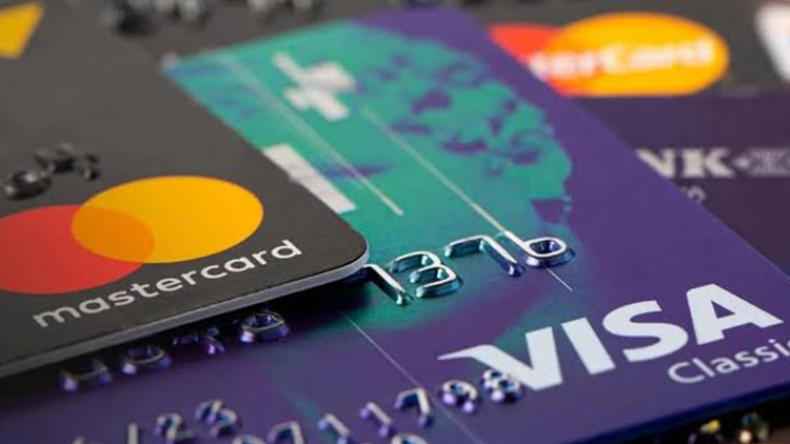
Algerians converged on banks on Monday morning, July 13, 2026, seeking international payment cards after President Abdelmadjid Tebboune issued instructions for the travel allowance to be disbursed exclusively via bank card. This significant presidential directive, which mandates a shift from traditional cash disbursements to electronic payments, prompted a substantial and immediate turnout of citizens across various banking institutions. Many individuals were observed queuing, eager to inquire about the intricate process for obtaining these essential international payment cards. The primary focus of these inquiries centered on understanding the precise conditions for opening foreign currency accounts and clarifying the anticipated timelines for card issuance, reflecting a collective effort by citizens to adapt to the new financial regulations. The travel allowance, a critical provision for citizens traveling abroad, is set at 750 Euros per person.
Card Acquisition and Requirements
Public and private banking institutions throughout Algeria are equipped to offer international payment cards, which are intrinsically linked to foreign currency accounts. Among the prominent banks providing these services are the BNA (البنك الوطني الجزائري), CPA (القرض الشعبي الجزائري), Badr (بنك الجزائر الخارجي), BDL (بنك التنمية المحلية), Bank El Salam (بنك السلام الجزائر), Bank El Baraka (بنك البركة الجزائر), and Gulf Bank (بنك الخليج). These institutions play a key role in facilitating the widespread adoption of the new disbursement mechanism.
To successfully obtain an international payment card, individuals are generally required to fulfill a set of specific banking prerequisites. A fundamental step involves opening a current account in Algerian Dinars alongside an additional account designated for foreign currency, which can be denominated in either Euros or US Dollars, at the same banking institution. This dual account structure is key for managing both domestic and international transactions. The necessary documentation for the application process typically includes a clear copy of the applicant's biometric national identity card, a valid residence certificate to confirm their address, and a thoroughly completed application form provided directly by the bank. These documents ensure the applicant's identity and eligibility are properly verified.
Beyond the initial documentation, applicants must also cover specific financial obligations. These include both an issuance fee for the card itself, which covers the cost of production and activation, and an annual subscription fee to maintain the card's services. Certain banks may stipulate a minimum balance that must be consistently maintained in either the foreign currency account or the current account for the card to be issued and subsequently remain active. This minimum balance requirement helps ensure the viability of the account for international transactions. A key functional requirement for these international payment cards is a minimum validity period of three years from the date of issuance, providing cardholders with a sustained period of utility for their international travel needs.
Issuance Timelines and Bank Offerings
Under normal circumstances, the administrative and technical process for issuing these international payment cards typically spans a period ranging from 15 days to two months. This timeframe accounts for the various steps involved, including the verification of documents, the opening of foreign currency accounts, and the physical production and personalization of the cards. This standard duration has historically been the norm for such banking products.
However, in response to the heightened demand following the presidential directive, some banks are reportedly able to deliver international payment cards within a significantly faster turnaround time of just 48 hours. This expedited process is primarily attributed to their substantial existing stock of such cards, allowing them to bypass the usual production delays. This readiness to meet the increased demand reflects a proactive approach by these institutions to support the new policy.
The new rules specify that the travel allowance of 750 Euros per person will be disbursed exclusively through these bank cards. This allows for a significant sum to be accessed by families traveling internationally, enhancing their financial flexibility abroad. For instance, a family of five could benefit from approximately 3,750 Euros in travel allowance under the current distribution framework, provided each eligible member receives their individual allowance. This potential total shows the substantial financial impact of the new disbursement method for Algerian citizens planning foreign travel, enabling them to manage their expenses more efficiently and securely. Bank representatives have been actively clarifying these timelines and allowance details to customers, ensuring transparency and assisting them through the transition.
Goals and Broader Impact
The new measure, spearheaded by President Abdelmadjid Tebboune's instructions, aims to achieve several strategic objectives. Foremost among these is the enhancement of the transparency surrounding the distribution of the travel allowance, moving away from cash-based systems that can be prone to inefficiencies. Concurrently, the initiative seeks to significantly expand the use of electronic payment methods throughout Algeria, fostering a more modern and digitally integrated financial ecosystem. This decision is expected to lead to an unprecedented expansion in the opening of foreign currency accounts, as citizens seek to comply with the new disbursement rules and gain access to international payment facilities. This surge in account openings is anticipated to be accompanied by a notable increase in the overall demand for various electronic payment methods, including debit and credit cards, mobile payment solutions, and online banking services.
The authorities view the initiative as aligning with a broader and more ambitious trend towards digitizing banking services across the nation. This strategic shift is part of a concerted effort to actively work towards reducing the circulation of physical cash within the economy, a move that can combat illicit financial activities, improve financial tracking, and enhance overall economic efficiency.
International payment cards offer a plethora of functionalities that greatly benefit travelers. Cardholders can utilize these cards for convenient cash withdrawal from ATMs located abroad, providing immediate access to local currency when needed. The cards facilitate direct payments at merchants worldwide, allowing for smooth and secure transactions without the need to carry large sums of cash. Beyond basic transactions, these cards enable a range of other conveniences, such as making hotel bookings in advance, purchasing airplane tickets securely online or through travel agents, and engaging in secure online shopping for various goods and services from international vendors. The versatility of these cards transforms the travel experience, making it more convenient and safer for Algerian citizens.
Expert and Public Reaction
The banking sector's varied response to the new directive has been observed, with some institutions demonstrating greater agility. As noted, some banks are reportedly able to deliver international payment cards within 48 hours, a remarkably faster turnaround compared to the standard 15 days to two months. This expedited process is a direct result of these banks having a substantial existing stock of such cards, allowing them to meet the immediate surge in demand without significant delays. This readiness shows the banks' efforts to support the government's initiative and serve their customers efficiently.
The decision to disburse travel allowances exclusively via these cards is also anticipated to significantly enhance the international standing and image of Algerian citizens abroad. By adopting modern electronic payment methods, Algerian travelers project an image of financial sophistication and integration into the global economy, potentially reducing any perceptions of reliance on cash-only transactions. This move aligns Algeria with global financial practices, benefiting its citizens and the nation's reputation on the international stage. The shift is seen as a progressive step that not only streamlines financial processes but also elevates the global perception of Algerian citizens as modern and digitally empowered travelers.