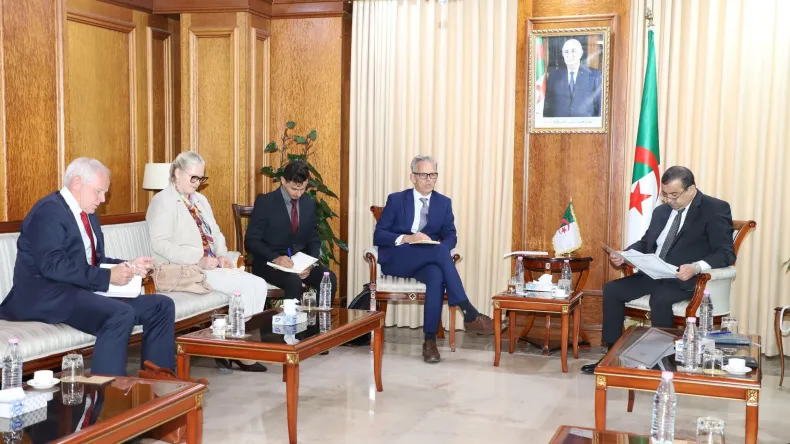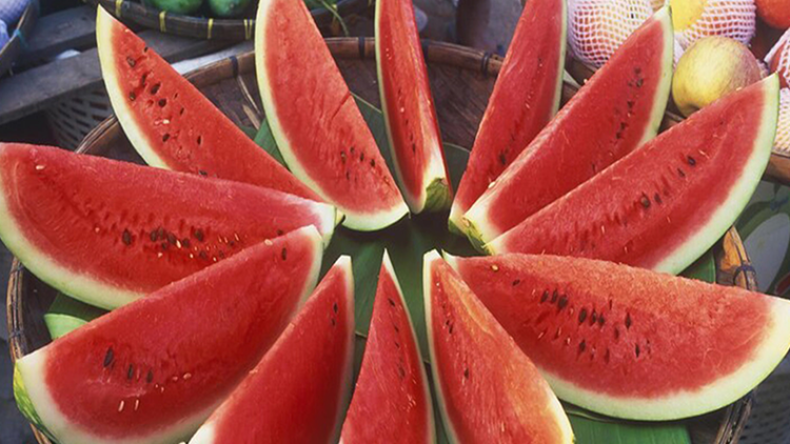
Algeria's Ministry of Trade, Internal Commerce, and Market Regulation intervened to support farmers affected by rumors concerning watermelon consumption. The ministry's action followed widespread claims of poisoning, dozens of illnesses, and even deaths in several provinces, all attributed to watermelons. These rumors had significantly impacted the market, causing financial losses for agricultural producers across the nation. The Ministry subsequently issued a statement, providing a "green light" to consumers and effectively debunking the earlier claims. This official clarification aimed to reassure the public and stabilize the market for the fruit, which had seen an unprecedented downturn. The intervention by the Ministry of Trade, Internal Commerce, and Market Regulation was specifically designed to support the farmers who had suffered substantial losses due to these unfounded rumors.
Market Collapse and Farmer Distress
Watermelon prices collapsed dramatically to 20 Algerian Dinars (DZD) per kilogram across various provinces following widespread rumors. This precipitous drop in price represented a significant blow to the agricultural sector. Farmers in El-Tarf characterized the situation in early July, during the peak of the watermelon trade, as a "major stab" due to the damaging rumors, noting the profound economic pain experienced by producers. The market slump led to the dismissal of seasonal workers who had been hired for harvesting, as fears of marketing problems intensified and demand plummeted. The financial repercussions extended beyond individual farmers, impacting the livelihoods of many who relied on the agricultural cycle. Hundreds of hectares of watermelon cultivation were subsequently threatened by the significant decline in demand and prices, raising concerns about the long-term viability of this important crop. The rapid spread of misinformation had created a crisis that jeopardized both immediate harvests and future planting intentions.
Despite the challenges, watermelon sellers eventually returned to roadsides, particularly near coastal tourist cities such as El Kala and El Battah, attempting to salvage what they could of the season. However, sales in these areas remained below expectations, indicating lingering consumer apprehension or a shift in purchasing habits. In Constantine, watermelon prices did not exceed 60 DZD per kilogram on Sunday, with many sellers offering even lower rates in an effort to move their stock. This pricing strategy showed the continued pressure on the market. A directive from the Directorate of Commerce, mandating the sale of whole watermelons, was not being fully observed in the market, where halves and quarters continued to dominate sales. This non-compliance suggested that sellers were adapting to consumer preferences for smaller, more affordable portions, or perhaps trying to make their product appear more accessible given the reduced prices. The economic fallout from the rumors was widespread, affecting not only the producers but also the entire distribution chain, from harvesters to roadside vendors.
Official Denials and Scientific Confirmation
In response to the escalating crisis, health directorates and agriculture directorates in the provinces affected by the rumors swiftly denied the claims of poisoning, working to counter the misinformation at a local level. These initial denials were key in setting the stage for a broader official response. The Ministry of Trade subsequently confirmed the safety of watermelons after conducting thorough laboratory analyses on samples collected from various regions. These tests found no health risks associated with the fruit, providing scientific validation to the official denials. Samples for analysis were taken from multiple watermelon production basins located in the major producing provinces across Algeria, ensuring a full and representative assessment of the crop's safety. This systematic approach was vital in restoring public trust.
The Director of Agriculture for El-Tarf province stated that his department actively utilized various media channels to refute the rumors, emphasizing the importance of accurate information dissemination. This proactive communication strategy aimed to reach as many consumers as possible and counteract the viral spread of the false claims. Farmer Bouars, a local producer, mentioned that surface water was abundant this year, supporting irrigation needs. This observation was significant as it indirectly addressed potential concerns about water quality or scarcity that could, in some contexts, be linked to crop health, further reassuring the public about the natural growing conditions. The concerted efforts of various governmental bodies, supported by scientific evidence and local agricultural insights, were instrumental in turning the tide against the damaging rumors. The Ministry's "green light" statement followed these extensive tests, providing a clear and unequivocal message to the public regarding the safety of consuming watermelons.
Global Standing and Future Prospects
El-Tarf stands as a significant center for watermelon cultivation and export in Algeria, with a notable portion of its produce destined for European markets. This regional importance shows the broader economic implications of the recent market disruption. Algerian watermelon cultivation practices are characterized by a less intensive use of fertilizers compared to some of its international competitors, a factor that is believed to reduce potential risks associated with the crop and enhance its natural appeal. The recent rumors regarding poisoned watermelons were not confined to Algeria's borders but also reached audiences outside the country, noting the interconnectedness of global markets and the potential for local misinformation to have international reverberations. This external reach of the rumors could have impacted export opportunities, making the official debunking even more critical.
In the previous agricultural season, Algeria achieved a global ranking of fourth in watermelon production, according to data compiled by American agricultural organizations and the Food and Agriculture Organization (FAO). This impressive standing demonstrates Algeria's significant contribution to the global supply of watermelons. The country's annual production during that period exceeded 2.5 million tons, a testament to the scale and efficiency of its agricultural sector. Looking ahead, the stated objective for Algerian watermelon production is ambitious: to achieve or surpass an annual output of 3 million tons. This target reflects the nation's commitment to expanding its agricultural output and maintaining its position as a major player in the international watermelon market. The recovery from the recent rumors is therefore not just about immediate market stability but also about safeguarding Algeria's long-term agricultural ambitions and its reputation as a reliable producer. The Ministry's intervention and the scientific confirmation of safety are key steps in ensuring that these future prospects remain attainable. The incident serves as a reminder of the fragility of agricultural markets in the face of misinformation and the importance of swift, evidence-based responses from authorities.